
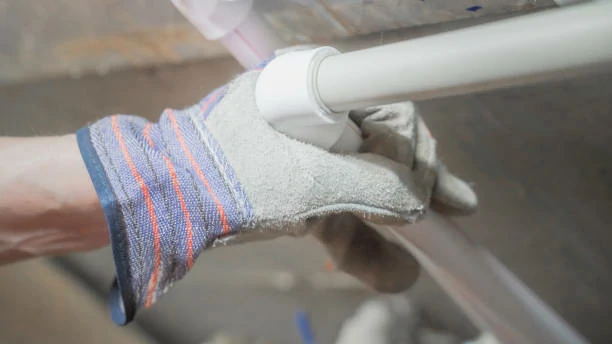
Introduction to PPR Rankings in Water Supply
PPR rankings have become a vital tool in the water supply industry. These rankings help professionals evaluate the performance, durability, and cost-effectiveness of materials used in water supply systems. By leveraging PPR rankings, engineers and planners can make informed decisions that ensure the reliability and efficiency of water distribution networks. This article explores the role of PPR rankings in water supply, focusing on their impact on material selection, system design, and sustainability.
The Role of PPR Rankings in Material Selection
Material selection is critical for the longevity and efficiency of water supply systems. PPR rankings provide a standardized way to compare materials such as pipes, fittings, and valves. Engineers use these rankings to choose materials that resist corrosion, withstand high pressure, and minimize leakage. For example, PPR rankings help identify the best polypropylene random copolymer (PPR) pipes, which are known for their durability and low maintenance requirements. This ensures that water supply systems remain functional and cost-effective over time.
Enhancing System Design and Performance
PPR rankings play a significant role in the design and optimization of water supply systems. By referencing these rankings, engineers can select materials that improve flow efficiency and reduce energy consumption. For instance, high-ranking PPR pipes with smooth inner surfaces minimize friction losses, allowing water to flow more efficiently. Additionally, PPR rankings help designers choose components that are compatible with existing infrastructure, ensuring seamless integration and reducing installation costs.
Ensuring Water Quality and Safety
Water quality and safety are paramount in any water supply system. PPR rankings help identify materials that do not leach harmful chemicals or contaminants into the water. High-ranking PPR pipes, for example, are non-toxic and resistant to chemical reactions, making them ideal for transporting potable water. By adhering to PPR rankings, water supply systems can meet stringent health and safety standards, ensuring that consumers receive clean and safe water.
Case Studies: Successful Applications
Several water supply projects have demonstrated the benefits of using PPR rankings. In one case, a municipal water system upgraded its aging infrastructure with high-ranking PPR pipes. The project resulted in a significant reduction in water loss due to leaks and improved overall system efficiency. Another example involves a rural water supply project that used PPR rankings to select cost-effective and durable materials, ensuring reliable water access for remote communities.
Challenges in Implementing PPR Rankings
While PPR rankings offer numerous advantages, their implementation is not without challenges. One issue is the lack of standardized ranking criteria across different regions, which can lead to inconsistencies in material selection. To address this, industry stakeholders advocate for global standardization of PPR rankings. Another challenge is the initial cost of high-ranking materials, which may be higher than traditional options. However, the long-term benefits, such as reduced maintenance and operational costs, often justify the investment.
Future Trends in PPR Rankings for Water Supply
The future of PPR rankings in the water supply industry looks promising. Advances in material science and manufacturing technologies will likely lead to the development of even higher-performing materials. Additionally, the growing focus on sustainability will drive the creation of ranking criteria that prioritize eco-friendly and energy-efficient materials. As the industry evolves, PPR rankings will continue to guide the selection of materials that enhance the reliability, efficiency, and sustainability of water supply systems.
Conclusion
PPR rankings have a profound impact on the water supply industry by guiding material selection, enhancing system design, and ensuring water quality and safety. Despite some challenges, the benefits of using PPR rankings far outweigh the drawbacks. As technology advances and sustainability becomes a priority, PPR rankings will remain an essential tool for achieving excellence in water supply systems. By leveraging these rankings, professionals can ensure that their projects meet the highest standards of performance and reliability.
PPR products meet and exceed global standards, including ISO 15874, EN 15874, ASTM F2389, DIN 8077/8078, GB/T 18742, and NBR 15884. Engineered for durability, performance, and reliability, PPR ensures top-notch quality across a wide range of applications. Choose IFAN for high-performance piping solutions that adhere to the most stringent international standards.
Contact
IFAN is a professional manufacturer with 30 years of experience, dedicated to producing high-quality plastic pipes, fittings, and valves. Our products include brass valves, PPR valves, as well as various pipes and fittings to meet different customer needs. Whether you need plumbing and drainage pipes or valve products. IFAN can provide a diverse range of high-quality, cost-effective products to support your projects. Below is our contact information.
We will reply your email or fax within 24 hours.
You can call us at any time if there is any question on our production.
Pls Mailto: [email protected]
Whatsapp: + 86 19857948982








Recent Comments