
PPR crooked bends are essential fittings in modern plumbing systems, enhancing pipe flexibility and efficiency. These angled fittings allow pipes to change direction smoothly, minimizing pressure loss and optimizing fluid flow. PPR (Polypropylene Random Copolymer) pipes, known for their durability and heat resistance, rely on crooked bends for complex layouts. This guide explores the features, benefits, applications, and installation of PPR crooked bends, providing a comprehensive understanding of their role in plumbing systems.
What Is a PPR Crooked Bend?
A PPR crooked bend is an angled fitting used to change the direction of fluid flow in plumbing systems. It typically comes in 45° or 90° angles, allowing pipes to navigate around obstacles. Made from high-quality polypropylene, it resists corrosion and withstands high temperatures. Crooked bends ensure smooth fluid flow and minimize turbulence. For example, in a bathroom installation, they help route pipes around walls. Their versatility and reliability make them indispensable in modern plumbing systems.
Key Features of PPR Crooked Bends
PPR crooked bends boast several key features. They resist high temperatures, making them suitable for hot water systems. Their corrosion-free properties ensure long-term durability. These fittings are lightweight yet robust, handling high pressure without deformation. They provide leak-proof connections, minimizing fluid loss. Crooked bends are easy to install, reducing labor costs. For instance, in a residential heating system, they ensure reliable performance. Their adaptability makes them suitable for various applications, from residential to industrial projects.
Benefits of Using PPR Crooked Bends
PPR crooked bends offer numerous advantages in plumbing systems. They simplify complex layouts by allowing directional changes. These fittings ensure efficient fluid flow with minimal pressure loss. Their durability reduces maintenance costs and extends system lifespan. Crooked bends resist chemical corrosion, making them ideal for industrial applications. They are environmentally friendly, as PPR materials are recyclable. For example, in a water treatment plant, they ensure consistent performance. Their reliability and efficiency make them a preferred choice for modern plumbing.
Applications of PPR Crooked Bends
PPR crooked bends find use in various applications. They route pipes around obstacles in residential plumbing systems. In heating systems, they connect radiators and boilers in tight spaces. Industrial applications include chemical processing and wastewater treatment plants. These fittings also serve in irrigation systems for agricultural purposes. Their ability to handle high pressure and temperature makes them ideal for diverse environments. For instance, in a small commercial building, they ensure efficient water distribution. Their adaptability makes them essential in modern infrastructure projects.
Installation Process for PPR Crooked Bends
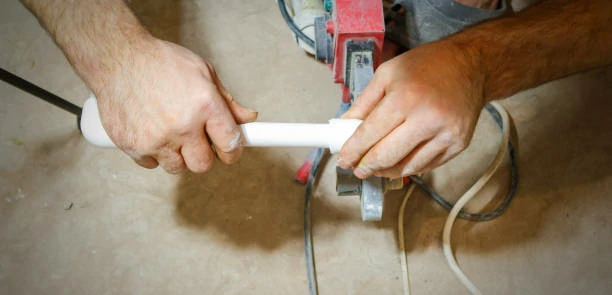
Installing PPR crooked bends requires precision and proper tools. First, measure and cut the PPR pipes to the required length. Ensure the pipe ends are clean and free from debris. Heat the pipe ends and the fitting using a welding machine. Insert the pipes into the heated fitting while the material is still soft. Hold the connections in place until they cool and solidify. Ensure the connections are secure and leak-free. Always follow manufacturer guidelines for specific installation steps. Proper installation guarantees a durable and reliable system.
Durability and Performance
PPR crooked bends are highly durable and perform well under various conditions. They resist corrosion, even in water or chemical-rich environments. These fittings withstand high temperatures, making them suitable for hot water systems. They maintain their integrity under high pressure, ensuring long-term performance. Their robust design minimizes wear and tear, even in demanding applications. For example, in industrial settings, they endure harsh conditions without failure. Their durability reduces maintenance costs and extends the lifespan of plumbing systems.
Compatibility with Other Components
PPR crooked bends enhance the compatibility of plumbing systems. They connect seamlessly with other PPR fittings and pipes. This ensures a cohesive and efficient plumbing network. The fittings also work well with systems using different materials, such as metal or PVC. For instance, in a mixed-material plumbing system, they bridge the gap between PPR and metal pipes. Their adaptability makes them suitable for diverse projects, from residential plumbing to industrial pipelines. This compatibility reduces the need for specialized fittings, saving time and costs.
Choosing the Right PPR Crooked Bend
Selecting the appropriate PPR crooked bend ensures optimal system performance. Consider factors like pipe size, pressure rating, and application requirements. Choose fittings made from high-quality PPR for better durability and performance. Verify the fittings’ certifications and standards compliance. Consult with professionals for complex or large-scale projects. For example, in a commercial building, the right crooked bend ensures efficient water distribution. Proper selection minimizes risks and enhances system longevity. Always prioritize quality and compatibility when choosing fittings for your plumbing system.
In conclusion, PPR crooked bends are essential for modern plumbing systems. They enhance pipe flexibility, ensure efficient fluid flow, and resist corrosion. Proper installation and selection guarantee long-term performance and durability. Whether for residential, commercial, or industrial use, crooked bends play a crucial role in efficient plumbing networks. By understanding their features and benefits, you can optimize your plumbing systems for maximum efficiency and reliability.
Product Standards
PPR ball valves comply with several international standards to ensure quality and performance. ISO 15874 and EN 15874 establish the requirements for PPR piping systems, including mechanical properties and durability. ASTM F2389 defines the specifications for polypropylene pipes and fittings used in pressurized applications. DIN 8077/8078 sets the dimensional and material requirements for PPR pipes, ensuring compatibility with various valve types. GB/T 18742 outlines the technical parameters for PPR piping systems in China, covering aspects such as pressure resistance and thermal stability. NBR 15884 serves as the Brazilian standard for PPR pipes, guaranteeing compliance with local plumbing regulations. These standards ensure that PPR ball valves deliver reliable performance in residential, commercial, and industrial applications.
Contact
IFAN is a professional manufacturer with 30 years of experience, dedicated to producing high-quality plastic pipes, fittings, and valves. Our products include brass valves, PPR valves, as well as various pipes and fittings to meet different customer needs. Whether you need plumbing and drainage pipes or valve products. IFAN can provide a diverse range of high-quality, cost-effective products to support your projects. Below is our contact information.
We will reply your email or fax within 24 hours.
You can call us at any time if there is any question on our production.
Pls Mailto: [email protected]
Whatsapp: +8619884503412








Recent Comments