
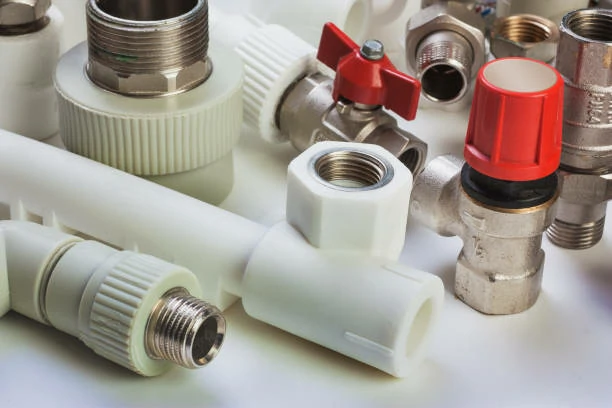
Introduction to PPR Check Valve
PPR check valves are essential in plumbing systems. They help prevent backflow, which occurs when water flows in the wrong direction. Backflow can lead to contamination, system damage, and costly repairs. PPR (Polypropylene Random Copolymer) is a durable, corrosion-resistant material. These valves are ideal for ensuring that water flows in one direction, maintaining the system’s integrity and cleanliness. PPR check valves protect plumbing systems in both residential and commercial applications.
How PPR Check Valves Work
PPR check valve use a simple yet effective mechanism. Inside the valve, a moving part, often a ball or disc, sits against a valve seat. When water flows forward, the ball or disc moves, allowing the water to pass. If water begins to flow backward, the ball or disc moves back into place, sealing the valve. This prevents backflow and ensures water only moves in the correct direction. The design helps maintain system efficiency and prevent damage.
Importance of Preventing Backflow
Backflow can cause serious issues in a plumbing system. It occurs when water pressure drops, causing water to flow in reverse. Contaminants such as bacteria, chemicals, and debris can enter the clean water supply. This can result in health hazards and damage to the system. PPR check valves ensure water flows in the correct direction, preventing backflow. By stopping reverse flow, these valves protect water quality and safeguard the plumbing system.
Benefits of PPR Material in Check Valve
PPR material offers several advantages in check valve. It is resistant to corrosion, which ensures long-term performance. Unlike metal valves, PPR valves won’t rust or degrade. PPR is also resistant to chemicals, making it suitable for various applications. The material can withstand high temperatures, ensuring reliable operation. PPR check valves are lightweight, easy to install, and cost-effective. These features make PPR the ideal material for backflow prevention.
Applications of PPR Check Valve
PPR check valves are used in many plumbing systems. In residential settings, they prevent backflow in water supplies for faucets, showers, and toilets. In commercial and industrial applications, they regulate the flow of water, chemicals, and gases. These valves are often used in irrigation systems, water treatment plants, and fire protection systems. PPR check valves are essential in any system where water or fluids need to flow in one direction, preventing contamination and damage.
Durability and Longevity
PPR check valves are known for their durability. PPR material is resistant to corrosion, scaling, and chemical degradation. These features ensure that the valves perform well over time. Unlike metal valves, PPR check valves do not rust or corrode. This results in longer lifespans and fewer replacements. Their ability to withstand high pressures and varying temperatures makes them ideal for large-scale and high-demand systems.
Easy Maintenance and Installation
PPR check valve require minimal maintenance. Since they are resistant to corrosion and scale buildup, they need fewer repairs. Periodic inspections are usually enough to keep them functioning properly. If replacement is necessary, the valves are easy to install. The lightweight material and heat fusion installation make the process quick and simple. This ease of installation and low maintenance reduce the overall cost of using PPR check valves in a plumbing system.
Cost-Effectiveness and Efficiency
PPR check valves are a cost-effective solution for preventing backflow. Although they may have a slightly higher initial cost than some alternatives, their durability makes them a smart investment. The long lifespan of PPR check valves reduces the need for frequent replacements. They also minimize the risk of backflow-related damage, saving money in the long term. PPR check valves ensure that the plumbing system operates efficiently and reliably over time, making them an affordable option.
Conclusion: The Importance of PPR Check Valves in Plumbing Systems
PPR check valves are essential for protecting plumbing systems. They prevent backflow, ensuring water flows in the correct direction. The durability of PPR material guarantees long-lasting performance. These valves are easy to install, require minimal maintenance, and offer great cost savings over time. Whether in residential, commercial, or industrial settings, PPR check valves protect water quality and maintain the integrity of the plumbing system. Their role in preventing backflow is crucial for ensuring safe and reliable water flow.
Product Standards
PPR ball valve comply with several international standards to ensure quality and performance. ISO 15874 and EN 15874 establish the requirements for PPR piping systems, including mechanical properties and durability. ASTM F2389 defines the specifications for polypropylene pipes and fittings used in pressurized applications. DIN 8077/8078 sets the dimensional and material requirements for PPR pipes, ensuring compatibility with various valve types. GB/T 18742 outlines the technical parameters for PPR piping systems in China, covering aspects such as pressure resistance and thermal stability. NBR 15884 serves as the Brazilian standard for PPR pipes, guaranteeing compliance with local plumbing regulations. These standards ensure that PPR ball valves deliver reliable performance in residential, commercial, and industrial applications.
Contact
IFAN is a professional manufacturer with 30 years of experience, dedicated to producing high-quality plastic pipes, fittings, and valves. Our products include brass valves, PPR valves, as well as various pipes and fittings to meet different customer needs. Whether you need plumbing and drainage pipes or valve products. IFAN can provide a diverse range of high-quality, cost-effective products to support your projects. Below is our contact information.
We will reply your email or fax within 24 hours.
You can call us at any time if there is any question on our production.
Pls Mailto: [email protected]
Whatsapp: +8619884503412









Recent Comments