
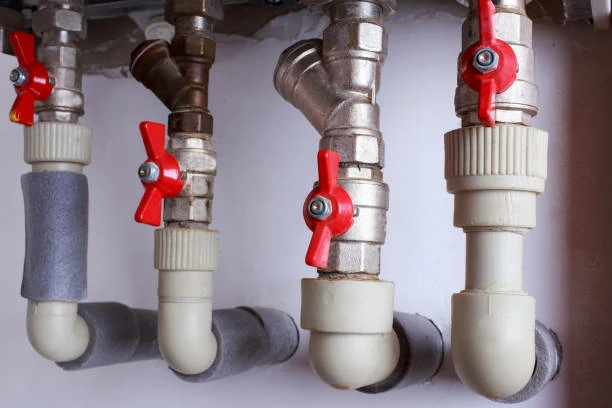
What Are PPR Check Valves?
PPR check valves play a crucial role in modern plumbing systems. These devices help to prevent backflow, ensuring that water flows in only one direction. Backflow can occur when the pressure in the system changes, causing water to flow backward into the clean water supply. This can lead to contamination, making check valves essential for maintaining water quality and safety. Without these valves, water contamination risks increase, potentially causing health hazards for homes and businesses alike.
How PPR Check Valves Prevent Backflow
One of the primary functions of a PPR check valve is to prevent the reversal of water flow. In systems where water is pumped or pressurized, a change in pressure can force the water to move in the wrong direction. The check valve is designed to close automatically when it detects such backflow, stopping the unwanted flow and keeping the system safe. It ensures that the water travels only in the intended direction, reducing the risk of contamination or system damage.
Materials and Durability of PPR Check Valves
PPR check valves are made from durable materials such as polypropylene random copolymer (PPR). This material is resistant to high temperatures and pressure, making it ideal for use in both residential and commercial plumbing systems. It also resists corrosion, which extends the lifespan of the valves and reduces the need for frequent replacements. The durability of PPR check valves makes them a reliable and cost-effective solution for preventing backflow.
Improving System Efficiency with PPR Check Valves
In addition to preventing backflow, PPR check valves contribute to the overall efficiency of a plumbing system. By ensuring that water flows in the right direction, these valves help to maintain consistent water pressure. This is particularly important in large buildings or industrial applications where water pressure can fluctuate. The proper functioning of check valves ensures that water pressure remains stable, which enhances the performance of the entire plumbing system.
Types of PPR Check Valves
There are different types of PPR check valves available in the market, each designed for specific applications. Some check valves are spring-loaded, while others rely on gravity or float mechanisms. Spring-loaded check valves use a spring to push the valve seat into place, ensuring the valve remains closed when there is no flow. Float check valves, on the other hand, use a floating element to close the valve in response to changes in water flow. Choosing the right type of check valve depends on the needs of the plumbing system and the specific requirements of the installation.
Installation Tips for PPR Check Valves
Installation of PPR check valves is relatively simple, but it requires careful attention to ensure proper function. The valve should be installed in a location where backflow is most likely to occur, typically near pumps, pressure tanks, or water supply lines. The orientation of the valve is also important, as it must be aligned correctly with the flow direction. If installed improperly, the valve may not function effectively, leading to potential backflow and water contamination.
Maintenance and Care of PPR Check Valves
Regular maintenance of PPR check valve is necessary to ensure their continued performance. While these valves are generally low-maintenance, periodic inspections can help detect any issues before they become major problems. Signs of wear, such as leaks or reduced efficiency, should be addressed promptly. In most cases, cleaning the valve or replacing worn components is sufficient to restore functionality. Proper maintenance ensures that the valves remain reliable over time, preventing backflow and ensuring the safety of the plumbing system.
Conclusion: Why PPR Check Valves Matter
In summary, PPR check valves are essential components for preventing backflow in plumbing systems. They protect water quality by ensuring that water flows in only one direction, preventing contamination and maintaining pressure. Made from durable materials, these valves are efficient, cost-effective, and reliable. With various types available, selecting the right valve for each application is key to ensuring optimal performance. Regular maintenance and proper installation are crucial for the long-term success of these valves, ensuring they continue to provide reliable protection against backflow.
Product Standards
PPR ball valves comply with several international standards to ensure quality and performance. ISO 15874 and EN 15874 establish the requirements for PPR piping systems, including mechanical properties and durability. ASTM F2389 defines the specifications for polypropylene pipes and fittings used in pressurized applications. DIN 8077/8078 sets the dimensional and material requirements for PPR pipes, ensuring compatibility with various valve types. GB/T 18742 outlines the technical parameters for PPR piping systems in China, covering aspects such as pressure resistance and thermal stability. NBR 15884 serves as the Brazilian standard for PPR pipes, guaranteeing compliance with local plumbing regulations. These standards ensure that PPR ball valves deliver reliable performance in residential, commercial, and industrial applications.
Contact
IFAN is a professional manufacturer with 30 years of experience, dedicated to producing high-quality plastic pipes, fittings, and valves. Our products include brass valves, PPR valves, as well as various pipes and fittings to meet different customer needs. Whether you need plumbing and drainage pipes or valve products. IFAN can provide a diverse range of high-quality, cost-effective products to support your projects. Below is our contact information.
We will reply your email or fax within 24 hours.
You can call us at any time if there is any question on our production.
Pls Mailto: [email protected]
Whatsapp: +8619884503412








Recent Comments