
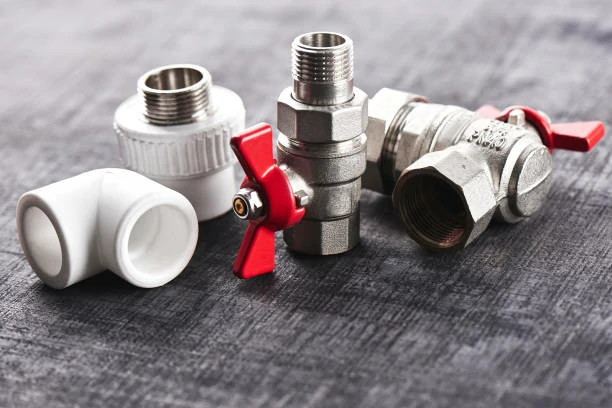
Introduction to PPR Brass Ball Valves and Plastic Valves
When it comes to plumbing systems, selecting the right valve is critical for ensuring efficient water flow and system longevity. PPR brass ball valves and plastic valves are two commonly used options, each with unique benefits and applications. PPR brass ball valves combine the strength and durability of brass with the corrosion resistance and flexibility of PPR (Polypropylene Random Copolymer) material. On the other hand, plastic valves, typically made of PVC, CPVC, or other plastic materials, offer lightweight and cost-effective solutions. Choosing the right valve depends on several factors, including the application, durability, and cost.
The Advantages of PPR Brass Ball Valves
PPR brass ball valves are well known for their durability and reliability. The brass component provides additional strength and resistance to high pressures, making these valves ideal for systems that involve pressurized water or gas. The PPR material contributes to the valve’s corrosion resistance, making it more suitable for environments where exposure to water, chemicals, or high temperatures is common. PPR brass ball valves are less likely to deteriorate over time compared to plastic valves, making them a great investment for long-term plumbing solutions. They are also highly resistant to rust, which ensures that they remain functional and reliable in the long run.
The Benefits of Plastic Valves
Plastic valves, such as those made from PVC or CPVC, offer several advantages, particularly in residential and small-scale applications. These valves are lightweight and easy to handle, making them ideal for installations in tight or hard-to-reach areas. Additionally, plastic valves are highly resistant to corrosion and do not react with chemicals commonly found in plumbing systems, such as chlorine in water treatment. They are also affordable, which makes them an attractive option for budget-conscious projects. Plastic valves are generally easier to install, requiring less effort compared to heavier brass valves, and they tend to be more cost-effective in terms of initial investment.
Durability and Longevity: Brass vs. Plastic
When it comes to longevity, PPR brass ball valves typically outperform plastic valves. Brass has excellent resistance to wear and tear, making it the preferred option for high-pressure systems or areas subject to extreme conditions, such as industrial or commercial settings. Brass valves can withstand temperature fluctuations and high flow rates, which makes them highly reliable over the long term. While plastic valves are durable in their own right, they can become brittle or crack under stress or high temperatures. Additionally, exposure to UV light can cause some plastic materials to degrade over time, further reducing their lifespan. For applications where long-term durability is crucial, PPR brass ball valves are the better choice.
Cost Considerations: Brass vs. Plastic
One of the major advantages of plastic valves is their affordability. They are generally less expensive than PPR brass ball valves, which makes them a cost-effective solution for residential or low-pressure plumbing systems. The lower initial cost of plastic valves is especially appealing for those on a tight budget or working on projects where cost-efficiency is a priority. However, while plastic valves are cheaper upfront, PPR brass ball valves offer better long-term value due to their durability, which reduces the need for replacements and maintenance over time. In high-demand applications, the higher initial cost of brass valves can be justified by the savings in long-term repairs and replacements.
Water Pressure and Flow Control
PPR brass ball valves excel in systems that require precise flow control and handling high water pressures. Brass is a strong, robust material that can handle high-pressure systems without failing, which is important for applications like industrial plumbing or pressurized water distribution. These valves ensure smooth and efficient operation even under high flow conditions. In contrast, plastic valves are generally better suited for low-pressure systems. While they work effectively for basic household plumbing or irrigation systems, they may not perform as well in high-pressure environments. For applications requiring high flow rates and pressure stability, PPR brass ball valves are the more reliable option.
Ease of Installation and Maintenance
Plastic valves generally offer easier installation and maintenance compared to PPR brass ball valves. Their lightweight design makes them easy to handle and install, even in tight spaces. Many plastic valves feature threaded or slip-on connections, which further simplify the installation process. These valves often don’t require special tools, making them ideal for DIY projects. On the other hand, PPR brass ball valves, although heavier and more durable, require more careful handling during installation. They often need to be installed using welding or threaded fittings, which may require professional tools and expertise. However, while plastic valves are easier to install, they may require more maintenance and replacements over time compared to their brass counterparts.
Applications: Choosing the Right Valve for the Job
Choosing between PPR brass ball valves and plastic valves largely depends on the specific application. For low-pressure residential plumbing systems, irrigation lines, or systems that do not experience extreme temperatures, plastic valves are an excellent choice due to their affordability and ease of installation. On the other hand, PPR brass ball valves are better suited for industrial or commercial applications that involve high pressures, high temperatures, or corrosive environments. Their durability, resistance to corrosion, and ability to handle more demanding conditions make them a better option for critical plumbing systems where longevity and performance are key.
Conclusion: Which Valve Should You Choose?
In conclusion, both PPR brass ball valves and plastic valves have their own set of advantages depending on the needs of the plumbing system. Plastic valves are lightweight, affordable, and easy to install, making them ideal for small-scale or low-pressure applications. They are perfect for residential systems where cost and ease of use are priorities. On the other hand, PPR brass ball valves are durable, corrosion-resistant, and capable of handling high pressures, making them the preferred choice for demanding industrial or commercial applications. When choosing between these two options, consider factors like cost, pressure requirements, durability, and installation complexity to determine the best valve for your plumbing system.
Product Standards
PPR ball valves comply with several international standards to ensure quality and performance. ISO 15874 and EN 15874 establish the requirements for PPR piping systems, including mechanical properties and durability. ASTM F2389 defines the specifications for polypropylene pipes and fittings used in pressurized applications. DIN 8077/8078 sets the dimensional and material requirements for PPR pipes, ensuring compatibility with various valve types. GB/T 18742 outlines the technical parameters for PPR piping systems in China, covering aspects such as pressure resistance and thermal stability. NBR 15884 serves as the Brazilian standard for PPR pipes, guaranteeing compliance with local plumbing regulations. These standards ensure that PPR ball valves deliver reliable performance in residential, commercial, and industrial applications.
Contact
IFAN is a professional manufacturer with 30 years of experience, dedicated to producing high-quality plastic pipes, fittings, and valves. Our products include brass valves, PPR valves, as well as various pipes and fittings to meet different customer needs. Whether you need plumbing and drainage pipes or valve products. IFAN can provide a diverse range of high-quality, cost-effective products to support your projects. Below is our contact information.
We will reply your email or fax within 24 hours.
You can call us at any time if there is any question on our production.
Pls Mailto: [email protected]
Whatsapp: +8619884503412










Recent Comments