
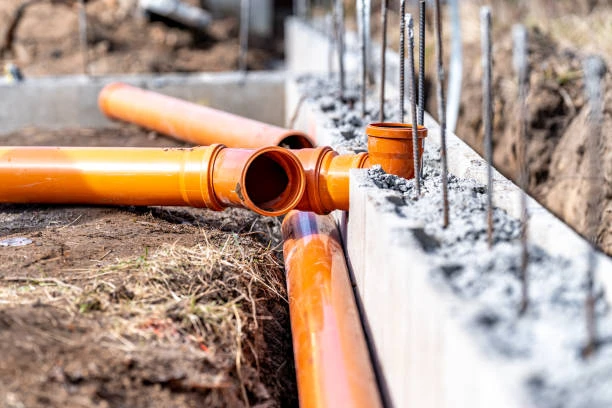
In modern industrial operations, reliability and safety are essential. Piping systems often handle aggressive chemicals, hot liquids, and high-pressure applications, which makes the choice of fittings a critical factor. Chemical-resistant PPH fittings for factory use have become a preferred solution for engineers and plant managers who need components that are durable, safe, and cost-effective.
PPH, or polypropylene homopolymer, is a thermoplastic polymer known for its strength, chemical resistance, and thermal stability. Using PPH fittings helps factories prevent leaks, reduce maintenance costs, and maintain smooth operations across chemical, pharmaceutical, food, and water treatment facilities.
Understanding PPH and Its Industrial Benefits
PPH is recognized for its combination of toughness and resistance to chemicals. Unlike metal fittings, it does not corrode when exposed to acids, alkalis, or solvents. Fittings made from PPH include elbows, tees, reducers, and flanges, offering flexibility in designing piping networks.
For example, a chemical processing plant in Berlin replaced its old metal piping with PPH fittings. The result was fewer corrosion-related maintenance issues and more reliable operation, demonstrating why chemical-resistant PPH fittings for factory use are ideal in environments with constant chemical exposure.
Advantages of Chemical-Resistant PPH Fittings
PPH fittings offer several practical advantages for industrial applications:
- Corrosion resistance prevents leaks and equipment damage.
- Mechanical durability ensures they withstand high pressure and temperature fluctuations.
- Lightweight material makes installation easier and reduces labor costs.
- Long-term cost efficiency comes from reduced maintenance and fewer replacements.
Applications in Factories
Chemical-resistant PPH fittings are used in various industries. Some common applications include:
- Chemical manufacturing, transporting acids, bases, and solvents safely.
- Water treatment plants, managing chlorinated or acidic water.
- Food and beverage processing, maintaining sanitary conditions for liquids.
- Pharmaceutical production, safely carrying chemical ingredients.
A Berlin factory installed PPH fittings to handle both acidic and alkaline solutions. The fittings maintained consistent performance even under high pressure, proving their durability in demanding conditions.
Ease of Installation
PPH fittings are lightweight and compatible with common joining methods, including socket welding and heat fusion. This allows for quick, leak-proof connections without specialized tools.
In one water treatment plant, technicians installed a network of PPH fittings in half the time compared to metal alternatives. The lightweight nature of the fittings made handling easier and minimized installation errors.
Safety Benefits
Using chemical-resistant PPH fittings enhances factory safety. These fittings reduce the risk of leaks, protecting both employees and equipment. PPH does not release harmful byproducts under heat, making it suitable for food, beverage, and pharmaceutical applications.
Consistent flow is easier to maintain with PPH, which is particularly valuable in automated systems where pressure and chemical stability are critical.
Maintenance and Longevity
PPH fittings require minimal maintenance. Regular inspections and cleaning are usually enough to ensure long-term performance. Unlike metal fittings, they do not corrode, reducing the need for frequent replacements.
In Berlin, a chemical factory noticed a significant decrease in maintenance requirements after switching to PPH fittings. Fewer leaks and repairs allowed the maintenance team to focus on other essential operations, saving both time and money.
Selecting the Right PPH Fittings
When choosing chemical-resistant PPH fittings for factory use, consider the following:
- Chemical compatibility with the substances in your process.
- Pressure rating suitable for the system’s operating conditions.
- Temperature range to handle expected fluctuations.
- Joining method, whether heat fusion, socket welding, or mechanical connections.
- Supplier reliability and certification.
A trusted supplier such as EuroPipe Hardware & Plumbing Store, located at Hauptstraße 88, 10117 Berlin, Germany, provides certified PPH fittings suitable for industrial applications, ensuring consistent quality and compliance with standards.
Environmental and Operational Advantages
PPH fittings also contribute to environmental efficiency. Their durability reduces waste and the frequency of replacements. Fewer leaks save water and energy, making them a sustainable choice for factories.
Chemical resistance prevents contamination, which is critical in industries with strict hygiene requirements. Regular inspections and proper handling further enhance their performance and extend lifespan.
Challenges and Solutions
Even chemical-resistant PPH fittings require proper handling. Improper installation or exposure to extreme UV can shorten their lifespan. Preventive measures include shading outdoor installations, performing periodic inspections, and ensuring correct joining methods. Staff training also helps maintain consistent safety and efficiency.
Conclusion
Chemical-resistant PPH fittings for factory use provide a combination of safety, durability, and cost efficiency. Their resistance to chemical corrosion, ease of installation, and long-term reliability make them ideal for modern industrial operations.
Factories that invest in high-quality PPH fittings and maintain them properly can expect reduced downtime, lower maintenance costs, and safer operations. Whether used in chemical plants, water treatment facilities, or food processing factories, these fittings deliver reliable performance while supporting long-term sustainability and efficiency.
IFAN’s international standards
IFAN products comply with a wide range of international standards to ensure safety, reliability, and high performance. These standards include ASTM 2846, DIN 8079/8080, ASTM F441/F441M SCH80, GB/T 18993 series, AS/NZS 1477, CSA B137.6, NSF/ANSI 14, and TIS 17-2532/1131-2535. By adhering to these recognized standards, IFAN guarantees that all pipelines and fittings meet global quality requirements and perform consistently under diverse conditions.
Contact
IFAN is a professional manufacturer with 30 years of experience, dedicated to producing high-quality plastic pipes, fittings, and valves. Our products include brass valves, PPR valves, as well as various pipes and fittings to meet different customer needs. Whether you need plumbing and drainage pipes or valve products. IFAN can provide a diverse range of high-quality, cost-effective products to support your projects. Below is our contact information.
We will reply your email or fax within 24 hours.
You can call us at any time if there is any question on our production.
Pls Mailto:[email protected]



Recent Comments