
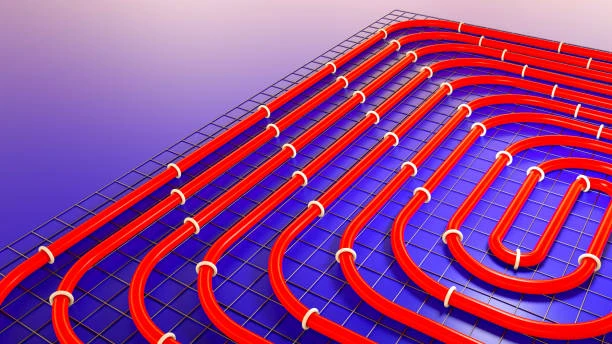
Polypipe Underfloor Heating represents a pinnacle of modern home comfort and energy-efficient design. As a leading supplier and innovator in the building services sector, Polypipe provides comprehensive underfloor heating solutions suitable for both new builds and renovation projects. This guide delves into every aspect of Polypipe underfloor heating systems, from their core components and benefits to their extensive applications across various industries. We will also answer the most frequently asked questions, providing you with all the necessary information to understand why this system is a superior choice for heating your space efficiently and comfortably.
Frequently Asked Questions (FAQ)
What makes Polypipe underfloor heating different from other brands?
Polypipe stands out due to its rigorous quality standards, innovative product design, and extensive support network. Their systems often feature high-performance polymer pipes with exceptional durability and oxygen diffusion barriers to protect the system. Furthermore, as a major manufacturer, they offer a reliable supply chain and strong technical support for both installers and homeowners.
Is Polypipe underfloor heating suitable for use with heat pumps?
Absolutely. In fact, Polypipe underfloor heating is an ideal partner for air-source or ground-source heat pumps. These heat pumps work most efficiently at lower flow temperatures, which perfectly match the operational requirements of underfloor heating systems. This combination creates a highly sustainable and low-energy heating solution for any property.
Can I install Polypipe underfloor heating under any type of flooring?
Yes, Polypipe systems are incredibly versatile and work wonderfully with almost all types of floor finishes. This includes tile, stone, laminate, engineered wood, vinyl, and even carpet. The key is ensuring that the total thermal resistance (tog value) of the flooring is appropriate to allow heat to pass through effectively without obstruction.
How does the supply process work for a large project?
For large commercial or residential projects, the process typically begins with a detailed consultation. A Polypipe expert or a certified installer will calculate the heating requirements and design the system layout. Polypipe then supplies a complete kit, including pipes, manifolds, insulation boards, and controls. They often provide project management support to ensure timely delivery and correct installation.
Is this system only for new builds, or can I add it to my existing home?
While simpler to integrate during construction, you can certainly retrofit Polypipe underfloor heating into an existing home. Polypipe offers low-profile systems specifically designed for renovations. These systems have minimal impact on floor height, making them a practical and effective solution for upgrading the comfort and value of an older property.
Basic Definition and Key Characteristics
Underfloor heating from Polypipe is a modern method of warming a building by embedding a network of pipes within the floor structure. These pipes circulate warm water, effectively turning the entire floor area into a gentle, radiant heat emitter. This approach fundamentally differs from traditional radiators that heat air in a localized and often uneven manner.
The system revolves around a few key components. The heart of the system is the durable, flexible pipe, typically made from cross-linked polyethylene (PEXa). This pipe is designed to last for decades and is highly resistant to corrosion. Another critical component is the manifold, which acts as the central control unit. It distributes the heated water evenly to each individual loop of pipe and allows for precise zone control. Finally, insulation boards are a crucial part of the assembly. They sit beneath the heating pipes to direct all the thermal energy upward into the room, preventing any heat loss downward into the subfloor.
Several defining characteristics make Polypipe systems a premium choice. They offer exceptional energy efficiency by operating at lower water temperatures than radiators, significantly reducing energy consumption. The radiant heat provides unparalleled comfort, eliminating cold spots and circulating less dust, which greatly benefits air quality. Furthermore, the system is invisible once installed, freeing up wall space and offering complete design freedom for interior layouts.
Common Uses and Application Industries
The versatility of Polypipe underfloor heating makes it a perfect solution for a vast range of applications. Its primary use is, of course, in residential properties. Homeowners increasingly choose it for new builds to achieve a high standard of energy efficiency and comfort from the outset. It is also a highly sought-after luxury upgrade in renovation projects, adding significant value and modern appeal to a home.
Moving beyond the domestic sphere, the commercial industry heavily relies on these systems. You will find Polypipe underfloor heating in large office spaces, where it provides consistent comfort without the unsightly presence of radiators or noisy air vents. Retail stores and shopping malls utilize it to create a more pleasant shopping environment while keeping aisles clear of obstacles. Museums and art galleries prize the system for its ability to provide gentle, even heat without causing damaging fluctuations in temperature or humidity that can affect precious artifacts.
The hospitality sector is another major adopter. Hotels use underfloor heating in bathrooms and suites to enhance the guest experience with a touch of luxury and warmth. Spas and swimming pools use it to keep floor surfaces comfortably warm underfoot. Even industrial and agricultural settings find uses for it, such as in warehouses to prevent frost or in barns to provide a warm, dry bed for animals. Essentially, anywhere consistent, efficient, and invisible comfort is required, Polypipe underfloor heating presents an ideal solution.
Conclusion
In summary, Polypipe Underfloor Heating offers a sophisticated, efficient, and remarkably comfortable alternative to traditional heating methods. From its high-quality components and energy-saving operation to its vast applicability across residential, commercial, and industrial projects, it represents a smart investment for the future. The system provides not just warmth, but an improved living and working environment through its silent, invisible, and health-conscious design. Whether you are building a new home, renovating an old one, or managing a large commercial development, choosing Polypipe ensures a reliable supply of a top-tier product that delivers outstanding performance and long-term value.
IFAN’s international standards
IFAN products comply with multiple international standards, including BS 3505, BS 4346, ASTM D1785 SCH40, ASTM D1785 SCH80, DIN, GB, DWV, ASTM D2665, ASTM D2241, ASTM D2729, ASTM F441/F441M, ISO 1452 Series standards, EN ISO 1452, DIN 8061/8062, GB/T 10002 Series standards, AS/NZS 1477, JIS K6741, CSA B137.3, NSF/ANSI 14, TIS 17-2532/1131-2535, among others. These certifications ensure that IFAN piping systems meet global requirements for safety, durability, and performance.
Contact
IFAN is a professional manufacturer with 30 years of experience, dedicated to producing high-quality plastic pipes, fittings, and valves. Our products include brass valves, PPR valves, as well as various pipes and fittings to meet different customer needs. Whether you need plumbing and drainage pipes or valve products. IFAN can provide a diverse range of high-quality, cost-effective products to support your projects. Below is our contact information.
We will reply your email or fax within 24 hours.
You can call us at any time if there is any question on our production.
Pls Mailto:[email protected]









Recent Comments