
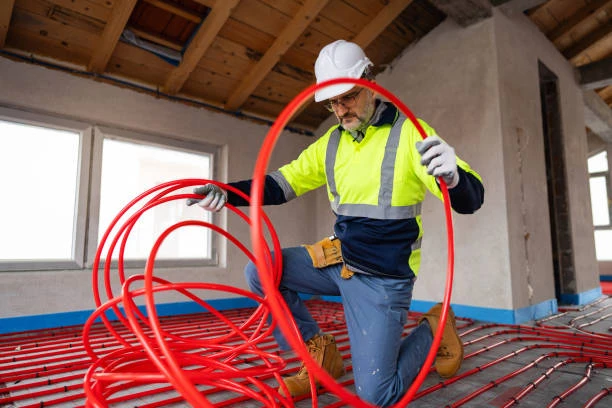
Polypipe underfloor heating systems set the industry standard for safety, providing homeowners and businesses with a secure heating solution that eliminates many risks associated with traditional heating methods. This comprehensive guide examines the multiple safety aspects of Polypipe underfloor heating, from its low-temperature operation and fire safety advantages to its child-friendly design and reliable performance. We will explore how advanced engineering and quality materials combine to create one of the safest heating options available today, answer common safety questions, and explain why these systems have become the preferred choice for families, healthcare facilities, and commercial spaces where safety is paramount. Understanding these safety features will help you make an informed decision about creating a secure heating environment for your property.
Frequently Asked Questions (FAQ)
How does underfloor heating compare to radiators in terms of burn risk?
Polypipe underfloor heating completely eliminates burn risks associated with traditional radiators. The system operates at safe surface temperatures that never become hot enough to cause burns, making it ideal for families with young children, elderly individuals, or pets. This represents a significant safety advantage over radiators that can reach dangerous temperatures.
What fire safety advantages does underfloor heating provide?
The system offers excellent fire safety benefits. Without radiators or exposed heating elements, you reduce potential fire hazards. The pipes contain only warm water, not flammable fuels or electricity at high voltages. This design significantly lowers fire risks compared to some other heating methods, providing greater peace of mind.
Can the system leak or cause water damage to my property?
Polypipe systems use high-quality cross-linked polyethylene pipes that are extremely durable and resistant to leaks. The pipes feature continuous runs without joints under the floor, minimizing potential failure points. Professional installation includes pressure testing to ensure complete system integrity before commissioning, providing long-term protection against leaks.
Is there any risk of electric shock with underfloor heating?
Hydronic underfloor heating systems from Polypipe use water as the heat transfer medium, not electricity. While the system may use electric pumps and controls, these components operate at safe voltages and are properly grounded during professional installation. This eliminates risks of electric shock within living spaces.
How does the system ensure safe operation over the long term?
Polypipe designs its systems with multiple safety features, including temperature limiters and pressure relief valves. The materials resist corrosion and degradation, maintaining their safety characteristics for decades. Regular maintenance checks ensure all components continue operating safely throughout the system’s lifespan.
Basic Definition and Key Characteristics
Polypipe underfloor heating is a hydronic system that circulates warm water through a network of pipes installed beneath the floor surface. This method provides radiant heat that warms spaces safely and efficiently without the hazards associated with other heating methods. The system’s safety begins with its fundamental design, which eliminates high surface temperatures and exposed heating elements that could cause injuries or fires.
The safety of these systems stems from several key characteristics. The water temperature within the pipes typically ranges between 35-55°C, significantly lower than radiator systems that can reach 70-80°C. This low-temperature operation ensures floor surfaces remain at a safe, comfortable level that won’t cause burns. The completely enclosed nature of the system means no moving parts or hot surfaces are accessible to users, preventing accidental contact injuries.
Furthermore, the materials used in Polypipe systems meet rigorous international safety standards. The pipes are manufactured from high-grade materials that resist corrosion and degradation, ensuring long-term structural integrity. The system includes built-in safety features such as automatic temperature controls and pressure regulation devices. These characteristics combine to create a heating solution that prioritizes user safety while delivering exceptional comfort and efficiency.
Common Uses and Application Industries
The exceptional safety profile of Polypipe underfloor heating makes it particularly valuable in environments where risk reduction is crucial. In residential settings, families choose these systems for nurseries, children’s bedrooms, and play areas where traditional radiators might pose burn risks. Elderly care facilities benefit from the safe surface temperatures and reduced fall hazards that come with unobstructed floor spaces.
Healthcare institutions represent a perfect application for this safe heating technology. Hospitals, nursing homes, and rehabilitation centers use Polypipe underfloor heating to create environments free from hot surfaces that could harm patients with reduced mobility or sensitivity. The system helps maintain consistent temperatures in mental health facilities where traditional heating methods might pose safety concerns.
Educational environments extensively adopt these safe heating solutions. Schools, daycare centers, and universities value the child-friendly operation and reduced liability that underfloor heating provides. Public facilities such as libraries, museums, and community centers benefit from the enhanced safety for visitors of all ages and abilities. Even commercial spaces like shopping centers and offices appreciate the reduced risks and improved safety standards. Across all these applications, the safe operation of Polypipe systems supports better protection for occupants and peace of mind for property owners.
Conclusion
In conclusion, Polypipe underfloor heating offers a fundamentally safer approach to interior climate control that addresses multiple risk factors associated with traditional heating methods. Its low-temperature operation eliminates burn risks, while its enclosed design prevents fire hazards and injuries from exposed hot surfaces. The system’s reliable performance and quality materials ensure long-term safety and protection against leaks or system failures. These safety advantages make it an ideal solution for homes with vulnerable occupants, healthcare facilities, educational institutions, and public spaces where safety standards must be rigorously maintained. Beyond immediate safety benefits, the system’s predictable operation and minimal maintenance requirements contribute to ongoing peace of mind for property owners. Choosing Polypipe underfloor heating represents an investment in comprehensive safety that protects both people and property while delivering exceptional comfort. This holistic approach to safe heating makes it an increasingly preferred solution for modern living and working environments where safety is never compromised.
IFAN’s international standards
IFAN products comply with multiple international standards, including BS 3505, BS 4346, ASTM D1785 SCH40, ASTM D1785 SCH80, DIN, GB, DWV, ASTM D2665, ASTM D2241, ASTM D2729, ASTM F441/F441M, ISO 1452 Series standards, EN ISO 1452, DIN 8061/8062, GB/T 10002 Series standards, AS/NZS 1477, JIS K6741, CSA B137.3, NSF/ANSI 14, TIS 17-2532/1131-2535, among others. These certifications ensure that IFAN piping systems meet global requirements for safety, durability, and performance.
Contact
IFAN is a professional manufacturer with 30 years of experience, dedicated to producing high-quality plastic pipes, fittings, and valves. Our products include brass valves, PPR valves, as well as various pipes and fittings to meet different customer needs. Whether you need plumbing and drainage pipes or valve products. IFAN can provide a diverse range of high-quality, cost-effective products to support your projects. Below is our contact information.
We will reply your email or fax within 24 hours.
You can call us at any time if there is any question on our production.
Pls Mailto:[email protected]







Recent Comments