
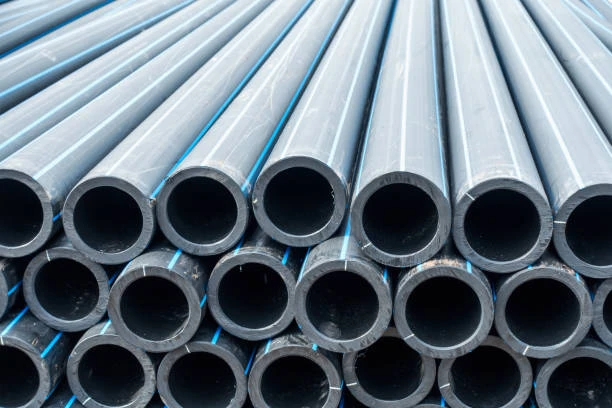
The plastic fittings market has experienced significant growth in recent years, driven by industries seeking cost-effective, durable, and versatile solutions for piping systems. Plastic fittings, made from materials such as PVC, CPVC, and PPR, offer a wide range of benefits, including corrosion resistance, lightweight construction, and ease of installation. These advantages have positioned plastic fittings as a preferred choice across various industries, from plumbing and construction to chemical processing and irrigation. This article explores the factors fueling the growth of the plastic fittings market and the opportunities available for businesses within this sector.
Cost-Effectiveness and Accessibility
One of the primary drivers of the plastic fittings market is their cost-effectiveness. Compared to traditional metal fittings, plastic fitting are more affordable to manufacture, transport, and install. The lower production costs result in cheaper pricing for end-users, which has made them an attractive option for both small-scale and large-scale projects. Additionally, plastic fittings are widely available and accessible due to the global expansion of production capabilities, making them easy to source in various regions. As industries continue to seek ways to reduce operational costs, the demand for cost-effective plastic fitting remains strong.
Durability and Longevity in Harsh Environments
Plastic fittings have established a reputation for durability, particularly in harsh environments where metal fittings are prone to corrosion and wear. Materials like PVC, CPVC, and PPR are highly resistant to chemicals, high temperatures, and pressure, making them ideal for industries such as chemical processing, water treatment, and industrial applications. The ability of plastic fittings to withstand corrosive fluids and extreme conditions ensures a longer service life, reducing the frequency of maintenance and replacement. This durability translates to lower long-term operating costs for businesses and has expanded the use of plastic fitting in a variety of demanding environments.
Environmental Benefits and Sustainability
Sustainability has become a key consideration for industries worldwide, and plastic fitting contribute to more environmentally friendly practices. Compared to metal fittings, plastic fitting require less energy to manufacture and transport, resulting in a smaller carbon footprint. Additionally, plastic fittings are often recyclable, which reduces the amount of waste produced by industrial applications. As businesses and consumers increasingly prioritize eco-friendly solutions, the demand for sustainable materials, such as plastic fitting, is expected to continue to rise. Companies that incorporate recyclable plastic fitting into their operations can align with green initiatives and enhance their environmental reputation.
Expanding Applications Across Industries
Plastic fittings are no longer limited to basic plumbing applications. Over the past few years, the market for plastic fitting has expanded significantly as industries recognize the potential of these versatile components. In the construction industry, for example, plastic fitting are used in everything from residential plumbing systems to large-scale HVAC and irrigation networks. The chemical and pharmaceutical sectors also rely on plastic fitting for their resistance to corrosion and chemical reactions. Moreover, the agriculture industry benefits from plastic fittings in irrigation systems, where the lightweight and corrosion-resistant properties of plastic materials improve system efficiency and longevity. As industries continue to diversify and innovate, the applications for plastic fittings grow, creating new market opportunities.
Competitive Landscape and Market Trends
The plastic fittings market remains competitive, with numerous manufacturers vying for market share. Companies are increasingly focusing on product innovation to meet the evolving demands of consumers. For instance, manufacturers are developing new plastic fitting materials that offer enhanced durability, higher temperature resistance, and improved chemical compatibility. Additionally, the rise of smart technologies in various industries has led to the development of plastic fitting that incorporate sensor technologies, providing real-time data for monitoring and maintenance. As consumers demand higher performance and more sustainable products, companies must adapt to these trends by focusing on quality, innovation, and customer satisfaction.
Conclusion
The plastic fittings market is poised for continued growth as industries look for cost-effective, durable, and sustainable solutions. The versatility, durability, and environmental benefits of plastic fitting make them an increasingly popular choice across a range of applications. With ongoing innovation and expanding use in diverse sectors, the market for plastic fitting offers numerous opportunities for businesses to capitalize on this growing demand. As the world becomes more focused on sustainability and cost-efficiency, plastic fitting will play an essential role in shaping the future of industrial and commercial infrastructure.
Contact
IFAN is a professional manufacturer with 30 years of experience, dedicated to producing high-quality plastic pipes, fittings, and valves. Our products include brass valves, PPR valves, as well as various pipes and fittings to meet different customer needs. Whether you need plumbing and drainage pipes or valve products. IFAN can provide a diverse range of high-quality, cost-effective products to support your projects. Below is our contact information.
We will reply your email or fax within 24 hours.
You can call us at any time if there is any question on our production.
Pls Mailto: [email protected]
Whatsapp: + 86 19857948982








Recent Comments