
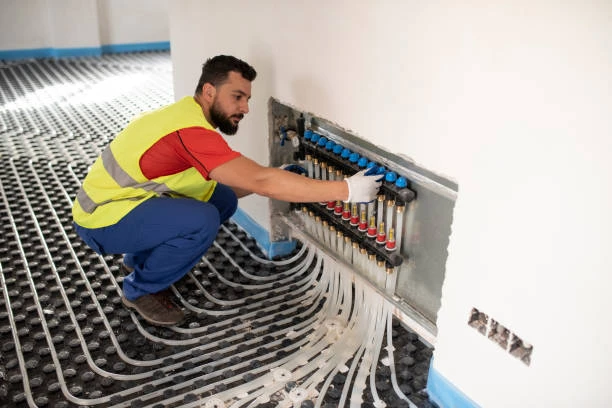
🔹 Introduction: Why PEX Plumbing Is a Game-Changer
PEX (cross-linked polyethylene) plumbing has revolutionized modern piping systems with its flexibility, durability, and affordability. Whether you’re renovating a home or working on a large commercial project, PEX provides a reliable and efficient solution. In this guide, we’ll walk you through everything you need to know—from basic definitions to installation tips.
🔹 Frequently Asked Questions (FAQ)
1. What is PEX plumbing used for?
PEX is commonly used in residential and commercial water supply systems. Specifically, it’s ideal for both hot and cold water lines.
2. Is PEX better than copper or PVC?
Compared to copper, PEX is more flexible and easier to install. Meanwhile, it handles temperature variations better than PVC.
3. Are there different types of PEX tubing?
Yes—there are PEX-A, PEX-B, and PEX-C. Each type has its own characteristics in terms of flexibility and installation method.
4. Can I use PEX for hot water lines?
Absolutely. Thanks to its heat resistance, PEX is suitable for hot water up to 200°F (93°C).
5. How long does PEX plumbing last?
On average, PEX can last 40 to It depends on the actual situation. or more with proper installation.
🔹 What Is PEX Plumbing?
PEX stands for cross-linked polyethylene, a type of plastic pipe that is highly flexible and resistant to chemicals, scale, and chlorine. Originally introduced in the 1980s, it has grown in popularity for residential and commercial use.
There are three main types of PEX:
- PEX-A: The most flexible, perfect for tight spaces and cold climates.
- PEX-B: Slightly less flexible but cost-effective and commonly used.
- PEX-C: Made using electron beam cross-linking, offering a balance of price and performance.
🔹 Key Features and Benefits
What sets PEX apart from other materials? Below are its major advantages:
- ✅ Exceptional Flexibility: Easily bends around corners, reducing the need for fittings.
- ✅ Resistance to Corrosion and Scaling: Ensures long-term reliability.
- ✅ Lower Installation Costs: Saves time and labor.
- ✅ Silent Operation: Minimizes water hammer and pipe noise.
- ✅ Freeze Resistance: Expands slightly under pressure, reducing the risk of burst pipes.
- ✅ Fast and Simple Installation: No soldering, gluing, or heavy tools required.
Moreover, PEX’s adaptability makes it ideal for both new construction and retrofitting projects.
🔹 Common Applications
PEX tubing is versatile and can be found in various systems:
- 🚿 Residential Plumbing: Hot and cold water delivery to fixtures.
- 🏢 Commercial Buildings: Office towers, hotels, and healthcare facilities.
- 🌡 Radiant Heating: Used beneath floors to evenly distribute heat.
- 🧰 Re-piping Projects: An excellent solution for replacing outdated materials.
- 🔁 Hydronic Heating Systems: Circulates water for space heating.
In short, PEX fits almost every modern plumbing need.
🔹 PEX Pipe Sizes and Fittings
To choose the right size, consider your flow rate and pressure needs.
- 1/2 inch: Common for sink, toilet, and shower connections
- 3/4 inch: Ideal for branch lines
- 1 inch: Suitable for main water supply
As for fittings, you have several options:
- Barbed fittings
- Push-to-connect fittings
- Crimp/clamp rings
- Expansion fittings
Each system has its advantages, so it’s important to match your tools and project requirements.
🔹 Installation Tips
Installing PEX is straightforward, but keep the following in mind:
- Plan ahead. Use a home-run system with a central manifold for efficiency.
- Use the correct tools. Crimping or expansion tools are essential depending on your fitting type.
- Avoid sunlight. PEX degrades under UV rays, so use it indoors or shield it.
- Anchor properly. Allow for some movement and don’t overtighten.
- Leave room for thermal expansion. This reduces stress on fittings.
Therefore, by following these steps, you’ll ensure a safer and longer-lasting system.
🔹 PEX vs Other Plumbing Options
Here is a comparison to help you decide:
| Feature | PEX | Copper | PVC |
|---|---|---|---|
| Flexibility | High | Low | Moderate |
| Installation Time | Fast | Slow | Moderate |
| Corrosion Resistant | Yes | No | Yes |
| Cost | Low | High | Low |
| Freeze Resistance | Yes | No | No |
| Soldering Required | No | Yes | No |
As seen above, PEX combines the advantages of plastic and metal without their major drawbacks.
🔹 Conclusion
To sum up, PEX plumbing is a smart, modern solution for water supply systems. Its ease of use, long life, and cost savings make it a top choice for homeowners and professionals alike. Whether you’re building new or renovating old systems, PEX helps you get the job done quickly and reliably.
IFAN Standard
Our PEX plumbing products strictly comply with major international standards, ensuring safety, durability, and performance. These include ISO 15875, GB/T 18992, DIN 16892, ASTM F877, ASTM F2788, BS 7291, BS EN ISO 15875, and CSA B137. Each of these certifications validates the material quality, thermal resistance, and pressure capacity required for high-performance plumbing systems across residential, commercial, and industrial applications.
Contact
IFAN is a professional manufacturer with 30 years of experience, dedicated to producing high-quality plastic pipes, fittings, and valves. Our products include brass valves, PPR valves, as well as various pipes and fittings to meet different customer needs. Whether you need plumbing and drainage pipes or valve products. IFAN can provide a diverse range of high-quality, cost-effective products to support your projects. Below is our contact information.
We will reply your email or fax within 24 hours.
You can call us at any time if there is any question on our production.
Pls Mailto:[email protected]










Recent Comments