
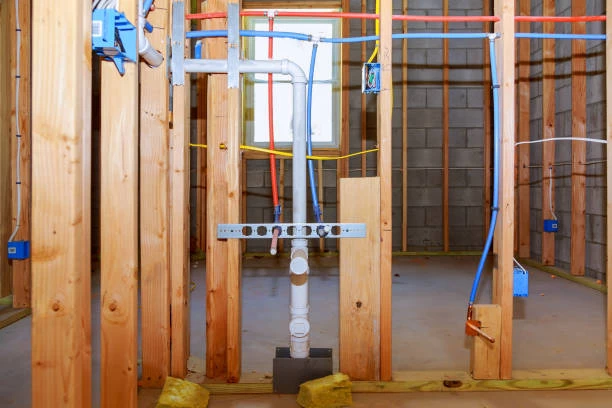
PEX (cross-linked polyethylene) pipe has become increasingly popular in plumbing systems due to its flexibility, resistance to corrosion, and ease of installation. With its rise in use, the need for specialized tools to work with PEX piping has also grown. This article covers the common types of PEX pipe tools available today, their purposes, and how they can be used effectively in residential and commercial plumbing projects.
1. PEX Pipe Cutters
The first tool any plumber needs when working with PEX pipe is a pipe cutter specifically designed for cutting PEX tubing. PEX cutters provide clean, square cuts, which are critical for ensuring secure connections. A clean cut reduces the risk of leaks, ensures the fittings fit snugly, and maintains the integrity of the pipe. Using a standard saw or other inappropriate cutting tools can lead to jagged edges, which compromise the seal and reduce the durability of the connections.
PEX pipe cutters come in different sizes, but most are small handheld tools. Many feature a scissor-like design with sharp, precision blades. The cutter allows the user to quickly and easily cut the tubing to the required length with one hand, which makes it perfect for tight spaces or when working with long lengths of PEX. High-quality cutters stay sharp even after repeated use, making them a worthwhile investment for professionals.
2. PEX Crimp Tools
PEX crimping remains one of the most common methods used to secure connections in PEX systems. Crimp tools compress a copper ring around the PEX pipe and the fitting, creating a watertight seal. The process involves sliding a copper crimp ring onto the PEX tubing, inserting the fitting, and using the crimp tool to squeeze the ring. This method provides a reliable, long-lasting connection when done correctly.
PEX crimp tools come in a variety of sizes to match different pipe diameters, such as 3/8″, 1/2″, 3/4″, and 1″. A key feature to look for in a good crimp tool is adjustable jaws. This adjustment ensures the tool can accommodate multiple sizes of crimp rings without needing multiple tools.
Another important aspect of crimping is the use of a go/no-go gauge. After crimping, a gauge is used to ensure the crimp has been made correctly. If the crimp passes the test, the connection is secure and leak-proof. Failing to check the crimp with the gauge can result in improper installations, which may lead to future leaks or burst pipes.
3. PEX Clamp Tools
An alternative to crimping is the use of clamps, and for that, you need a PEX clamp tool. Instead of copper rings, this method uses stainless steel cinch clamps. Like crimping, the goal is to create a secure connection between the pipe and the fitting. The plumber places the clamp over the pipe and fitting, and the clamp tool squeezes the raised portion of the clamp, tightening it around the pipe.
The main advantage of clamp tools over crimp tools is their versatility. Most clamp tools work on all sizes of PEX tubing, as long as you have the corresponding clamp sizes. This feature eliminates the need for multiple tools or adjustable jaws. Additionally, many plumbers find clamps easier to install in tight spaces compared to crimp rings.
Clamp tools are durable, and like crimp tools, they provide a reliable connection when installed correctly. Some clamp tools are ratcheting, which means they will not release until the clamp has been sufficiently tightened, reducing the likelihood of an improper connection.
4. PEX Expansion Tools
The expansion method requires the use of an expansion tool, which expands the PEX tubing so it can fit over an expander fitting. After expanding, the pipe shrinks back to its original size, creating a tight, secure fit around the fitting. This method is typically used with PEX-A tubing, which has greater flexibility and elasticity than other types of PEX.
Expansion tools come in manual and powered versions. Manual expansion tools are suitable for smaller jobs or DIY installations, as they require more physical effort and time to complete. Powered expansion tools, on the other hand, are quicker and easier to use, especially in large-scale or commercial installations. These tools feature a rotating head that expands the pipe evenly around the fitting, ensuring a uniform connection.
Unlike crimp or clamp connections, which rely on external rings or clamps to hold the pipe to the fitting, expansion connections rely solely on the pipe’s ability to shrink back to size. This characteristic gives expansion connections a greater resistance to leaks over time, especially in systems that undergo frequent temperature changes or high pressures.
5. Go/No-Go Gauges
While not a tool for installing PEX directly, the go/no-go gauge plays a vital role in ensuring the integrity of crimped connections. After crimping or clamping, the gauge checks whether the connection falls within acceptable parameters. If the crimped ring or clamp passes through the “go” section of the gauge but not the “no-go” section, the connection is considered secure.
Without using this tool, plumbers risk leaving behind loose or overtightened connections. Loose connections can lead to leaks or pipe blowouts, while overtightened connections can weaken the material of the pipe or fitting, potentially causing cracks over time.
6. PEX Fitting Removal Tools
During installation or repair, plumbers may occasionally need to remove PEX fittings. PEX fitting removal tools allow for the safe and easy removal of crimp rings, clamps, or fittings without damaging the pipe. These tools usually come in compact designs and have sharp blades or prongs designed to cut through the crimp ring or clamp while leaving the pipe intact. Removing fittings by force or without the proper tool can lead to cracked pipes, necessitating expensive replacements.
7. Pipe Deburring Tools
A PEX pipe deburring tool is useful when preparing the ends of PEX tubing for connections. This tool smooths the inside and outside edges of cut pipes, removing burrs that could interfere with the connection. Smooth edges prevent the pipe from damaging fittings or crimp rings and ensure that connections remain leak-free.
While not mandatory for every PEX installation, deburring tools enhance the quality of the final connection, especially when working with thicker or harder PEX tubing.
IFAN is a brand that offers products that meet a wide range of international standards, ensuring the quality and reliability of every product.Product standard including: ASTM F1974, ASTM F1281, CSA B137, DIN 16836, GB18997, ISO 21003. IFAN is committed to providing high quality products and excellent service!
Conclusion
PEX pipe tools are essential for creating durable, leak-free plumbing systems. From cutters to expansion tools, each one serves a specific function, making installation and repairs quicker and easier. By investing in high-quality tools and using them correctly, plumbers and DIY enthusiasts can ensure their PEX installations stand the test of time.
Contact
IFAN is a professional manufacturer with 30 years of experience, dedicated to producing high-quality plastic pipes, fittings, and valves. Our products include brass valves, PPR valves, as well as various pipes and fittings to meet different customer needs. Whether you need plumbing and drainage pipes or valve products, IFAN can provide a diverse range of high-quality, cost-effective products to support your projects. Below is our contact information.
We will reply your email or fax within 24 hours.
You can call us at any time if there is any question on our production.
For more information,pls visit our webside https://pipefittingpro.com/
Pls Mailto: [email protected]
Whatsapp: + 86 19857948982






Recent Comments