
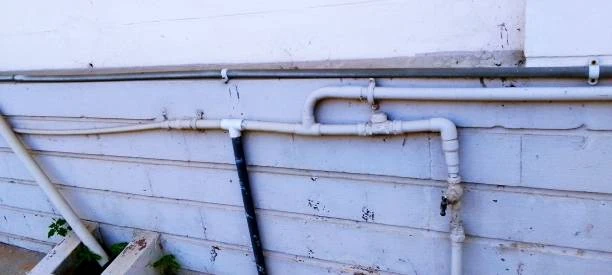
Painting plastic pipes can be a straightforward task, whether you’re sprucing up your home’s plumbing system for aesthetic reasons or marking utility lines for identification purposes. While the process might seem intimidating at first, with the right tools, materials, and knowledge, you can achieve a professional-looking finish. Here’s a comprehensive guide to help you through the steps of painting plastic pipes efficiently and effectively.
Preparation is Key
Before you dive into the painting project, ensure you have all the necessary supplies. This includes plastic pipe paint specifically formulated for non-porous surfaces, primer (if required by the paint manufacturer), painter’s tape, sandpaper or a plastic scraper, clean cloths, drop cloths to protect surrounding areas, and brushes or rollers suitable for the job. It’s crucial to read the paint’s instructions thoroughly to understand any specific requirements or recommendations.
Cleaning the Surface
Cleanliness is paramount when painting plastic pipes. Any dirt, grease, or debris on the surface can prevent the paint from adhering properly. Use a mild detergent and warm water to scrub the pipes thoroughly. Once cleaned, rinse them well and allow them to dry completely. For stubborn grime, you might need to use a dedicated cleaner designed for plastic surfaces. Ensure there are no water spots left behind, as they can also interfere with the paint’s application.
Surface Preparation for Better Adhesion
Although some plastic pipe paints advertise good adhesion without primer, it’s often beneficial to use a primer designed for plastic. Primer creates a bond between the paint and the plastic, ensuring a longer-lasting finish. Apply the primer in thin, even coats, following the manufacturer’s instructions. Allow each coat to dry fully before adding another. Once the primer is dry, lightly sand the surface with fine-grit sandpaper to create a slight texture, which can further improve paint adhesion.
Masking Off Areas
To avoid paint drips or overspray on areas you don’t want to be colored, use painter’s tape to mask off adjacent surfaces. This includes walls, floors, and any fittings or hardware connected to the pipes. Take your time with this step, as it will save you time and effort in cleaning up later.
Choosing the Right Paint
When selecting plastic pipe paint, opt for products specifically formulated for plastics. These paints are designed to flex with the material, preventing cracking over time. Water-based acrylic paints are often a good choice due to their quick-drying nature and ease of use. Oil-based paints, while durable, may require longer drying times and more ventilation during application.
Application Techniques
When painting plastic pipes, consider using a combination of brushes and rollers for the best results. Smaller, intricate areas are best tackled with a brush to ensure precision, while larger sections can be more efficiently covered with a roller. Apply the paint in thin, even coats, allowing each layer to dry completely before adding the next. This helps prevent runs and ensures a smooth, uniform finish.
Drying and Curing
Follow the paint manufacturer’s guidelines for drying and curing times. Even if the paint feels dry to the touch, it may need additional time to fully cure and reach its maximum durability. Avoid handling the pipes excessively during this period, and ensure they are not exposed to extreme temperatures or moisture, which could affect the paint’s performance.
Inspection and Maintenance
Once the paint has fully dried and cured, inspect your work for any missed spots or imperfections. Touch up as needed. Regularly check painted pipes for signs of wear or damage, particularly in high-traffic or exposed areas. With proper care and maintenance, your painted plastic pipes should retain their color and finish for years to come.
By following these steps, you can transform your plain plastic pipes into a visually appealing feature of your home or workspace. Remember, patience, attention to detail, and the right materials are the cornerstones of a successful painting project.
The Best Pex Pipe Material Manufacturer
| brand | Establishment Date | Company Address |
| IFAN | 1993 | Zhejiang,China |
| Uponor | 1918 | Vantaa, Finland |
| Rehau | 1948 | Rehau, Bavaria, Germany |
| Viega | 1899 | Attendorn, North Rhine-Westphalia, Germany |
| SharkBite | 1949 | Atlanta, Georgia, USA |
IFAN is a brand that offers products that meet a wide range of international standards, ensuring the quality and reliability of every product.PPR product standard including :ISO 15874 series standards, EN 15874 series standards, ASTM F2389, DIN 8077/8078, GB/T 18742 series standards, NBR 15884. IFAN is committed to providing high quality products and excellent service!
Contact
IFAN is a professional manufacturer with 30 years of experience, dedicated to producing high-quality plastic pipes, fittings, and valves. Our products include brass valves, PPR valves, as well as various pipes and fittings to meet different customer needs. Whether you need plumbing and drainage pipes or valve products, IFAN can provide a diverse range of high-quality, cost-effective products to support your projects. Below is our contact information.
We will reply your email or fax within 24 hours.
You can call us at any time if there is any question on our production.
Pls Mailto: [email protected]
Whatsapp: + 86 19857948982







Recent Comments