
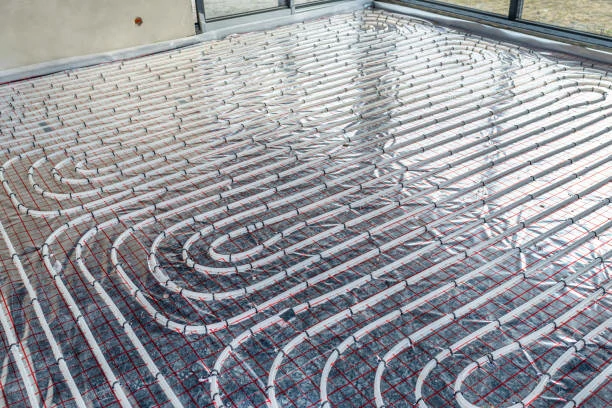
When it comes to installing PEX (cross-linked polyethylene) piping underground, ensuring the integrity and durability of the product is crucial. Proper packaging plays a significant role in safeguarding PEX pipes during storage, transportation, and installation. This article discusses the essential packaging standards for PEX piping, emphasizing the materials used, packaging design, labeling requirements, and best practices to maintain the quality of PEX piping until its final application.
Understanding PEX Piping and Its Requirements
PEX piping has gained popularity for underground applications due to its flexibility, resistance to corrosion, and durability. When installed underground, PEX pipes must withstand environmental conditions such as soil pressure, moisture, and temperature fluctuations. Packaging standards for PEX piping must address these factors to ensure the pipes remain undamaged and ready for use.
1. Packaging Materials
Selecting the right materials for packaging PEX piping is essential for protection during transportation and storage. Key materials include:
- High-Density Polyethylene (HDPE): HDPE is a common choice for packaging PEX pipes due to its strength and resistance to moisture. It protects the pipes from physical damage and environmental exposure during transit.
- Shrink Wrap: Many manufacturers use shrink wrap to bundle PEX pipes. This material provides a tight seal around the pipes, protecting them from dirt, debris, and moisture. Shrink wrap also minimizes movement during transportation, reducing the risk of damage.
- Cardboard or Corrugated Boxes: For smaller lengths of PEX piping, manufacturers often use sturdy cardboard or corrugated boxes. These boxes provide adequate protection against physical impact and stacking during transportation. They can also accommodate labeling and branding for easy identification.
- Wooden or Plastic Pallets: Transporting PEX piping on pallets helps prevent damage from direct contact with the ground. Pallets also facilitate easy handling with forklifts or pallet jacks, enhancing efficiency during loading and unloading.
2. Packaging Design
The design of the packaging must consider the unique characteristics of PEX piping. Key design features include:
- Bundling: Manufacturers typically bundle PEX pipes in manageable lengths, often between 100 to 300 feet, depending on the application. Bundling facilitates easy handling and transportation while reducing the risk of damage during movement.
- Protection Against UV Light: Although PEX pipes resist UV radiation, prolonged exposure can affect their performance. Packaging should incorporate materials that provide UV protection, ensuring the pipes maintain their integrity before installation.
- Temperature Control: While PEX can withstand a range of temperatures, extreme conditions during transportation can affect its performance. Packaging should insulate against temperature extremes, especially if the pipes will be stored outside or in unconditioned environments.
3. Labeling Requirements
Proper labeling on PEX packaging is essential for identification and compliance with industry standards. Key labeling components include:
- Product Specifications: Each package should clearly display the product specifications, including the size, type, and length of the PEX piping. This information helps contractors and installers select the appropriate materials for their projects.
- Manufacturer Information: The packaging should include the manufacturer’s name, logo, and contact information. This transparency enhances accountability and facilitates communication in case of product inquiries or issues.
- Storage and Handling Instructions: Providing clear instructions for storage and handling is crucial for maintaining the quality of PEX piping. Labels should include recommendations for temperature ranges, stacking limits, and protection against environmental conditions.
- Compliance Certifications: If the PEX piping meets industry standards or certifications (such as ASTM or NSF), the packaging should prominently display these certifications. This labeling assures consumers and contractors of the product’s safety and reliability.
4. Best Practices for Packaging and Handling
Adopting best practices during the packaging and handling of PEX piping ensures product integrity. Key practices include:
- Quality Control: Manufacturers should implement stringent quality control measures throughout the packaging process. This ensures that packaging materials and designs meet established standards for protection and durability.
- Training Personnel: Employees involved in packaging and handling should receive training on best practices. Proper techniques for bundling, stacking, and transporting PEX piping reduce the risk of damage.
- Regular Inspections: Conducting regular inspections of packaged PEX piping before shipment helps identify any potential issues. Inspectors should check for damage, proper labeling, and adherence to packaging standards.
- Environmental Considerations: Manufacturers should consider sustainability when selecting packaging materials. Using recyclable or biodegradable materials can reduce environmental impact and align with broader corporate sustainability goals.
5. Importance of Proper Packaging
The packaging of PEX piping plays a vital role in the overall performance and reliability of underground plumbing systems. Proper packaging ensures:
- Protection from Damage: Effective packaging safeguards PEX pipes from physical damage during transportation and storage. This protection is critical for maintaining the pipes’ integrity and performance.
- Ease of Handling: Well-designed packaging simplifies handling and transportation for contractors and distributors. Efficient packaging reduces labor costs and time associated with moving and installing the product.
- Compliance with Industry Standards: Adhering to packaging standards helps manufacturers comply with industry regulations. Meeting these standards fosters trust among consumers and contractors, enhancing brand reputation.
- Customer Satisfaction: Delivering PEX piping in well-packaged condition contributes to customer satisfaction. Contractors appreciate receiving products that arrive undamaged and ready for immediate use.
The Best Pex Pipe Fitting Suppliers
| Company Name | Brand | Founded | Address |
| Zhejiang Zhuji sail pipe industry Co., LTD | IFAN | 1993 | International Trade Building, 999 Chouzhou North Road, Yiwu City, Zhejiang Province,China |
| Uponor Corporation | Uponor | 1620 | Uponor Building Solutions, LLC, 5925 148th St W, Apple Valley, MN 55124, USA |
| Viega LLC | Viega | 1899 | Viega LLC, 10850 Pecos St, Westminster, CO 80020, USA |
| REHAU Inc. | Rehau | 1948 | REHAU Inc., 400 Steeles Ave W, Thornhill, ON L3T 1A7, Canada |
| NIBCO Inc. | NIBCO Inc. | 1904 | NIBCO Inc., 1516 Middlebury St, Elkhart, IN 46516, USA |
IFAN is a brand that offers products that meet a wide range of international standards, ensuring the quality and reliability of every product.Product standard including: ASTM F1974, ASTM F1281, CSA B137, DIN 16836, GB18997, ISO 21003. IFAN is committed to providing high quality products and excellent service!
Conclusion
Establishing robust packaging standards for PEX piping underground is essential for ensuring the product’s integrity and reliability in plumbing applications. By selecting appropriate materials, designing effective packaging, and adhering to labeling requirements, manufacturers can protect PEX pipes during transportation and storage.
Following best practices in packaging and handling promotes efficiency, compliance, and customer satisfaction. As the demand for PEX piping continues to grow, implementing rigorous packaging standards becomes increasingly important in supporting the longevity and performance of underground plumbing systems. Manufacturers and contractors alike benefit from prioritizing the quality and durability of PEX piping through thoughtful packaging practices.
Contact
IFAN is a professional manufacturer with 30 years of experience, dedicated to producing high-quality plastic pipes, fittings, and valves. Our products include brass valves, PPR valves, as well as various pipes and fittings to meet different customer needs. Whether you need plumbing and drainage pipes or valve products, IFAN can provide a diverse range of high-quality, cost-effective products to support your projects. Below is our contact information.
We will reply your email or fax within 24 hours.
You can call us at any time if there is any question on our production.
For more information,pls visit our webside https://pipefittingpro.com/
Pls Mailto: [email protected]
Whatsapp: + 86 19857948982



Recent Comments