
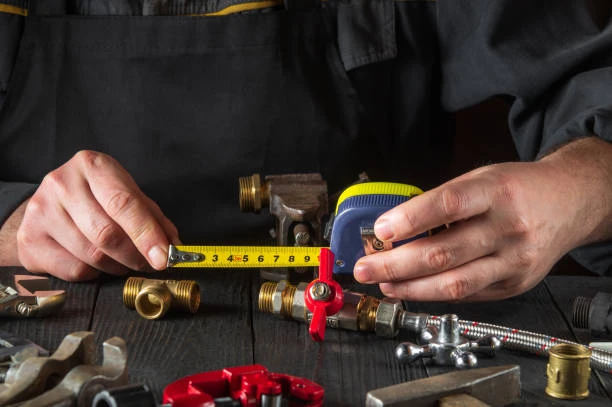
Nylon braided hoses have become an essential component in modern industrial and domestic systems. Their superior flexibility, high strength, and reliable resistance to pressure make them ideal for various applications. When it comes to installation, nylon braided hoses stand out for their user-friendly setup, but it is crucial to follow the right procedures and choose suitable fittings to ensure durability and leak-free performance. This article explains everything you need to know about nylon braided hose installation, from understanding the basics to common applications and industry usage.
Frequently Asked Questions (FAQ)
1. What tools are needed to install a nylon braided hose?
You’ll typically need a hose cutter, hose clamps or crimp fittings, a wrench, and thread sealant depending on the connection type. For high-pressure applications, a hose crimping machine may be necessary.
2. Can nylon braided hoses be reused after installation?
It depends on the condition of the hose and fittings. In many cases, it is safer to use a new hose to maintain performance and avoid failure, especially in critical systems.
3. How tight should the connections be?
Connections should be hand-tight and then snugged with a wrench. Avoid over-tightening, as it may damage the fitting or the hose end.
4. Are nylon braided hoses compatible with all fluids?
Not all. While they handle water, air, oil, and fuel well, they may not be suitable for certain aggressive chemicals. Always check chemical compatibility with the hose material.
5. What is the average service life of a nylon braided hose after installation?
With proper installation and usage within recommended pressure and temperature ranges, nylon braided hoses can last anywhere from 3 to 10 years, depending on the environment and frequency of use.
Basic Definition and Key Features
A nylon braided hose is a flexible tube reinforced with a tightly woven nylon mesh. This mesh provides added strength and helps the hose maintain its shape under pressure. These hoses usually consist of a synthetic rubber or polymer inner core wrapped with a nylon braid. The result is a lightweight yet durable product that resists abrasion, chemicals, and heat to a certain degree.
One of the standout characteristics of nylon braided hoses is their excellent flexibility, making them easy to route even in tight spaces. Moreover, they are typically lighter than metal braided alternatives, which reduces the strain on connectors and support structures. Many nylon braided hoses are also UV resistant and can be colored or transparent for visibility of fluid flow.
Common Uses and Application Industries
Thanks to their adaptability, nylon braided hoses are used in many fields:
1. Automotive Systems
They are widely used in fuel lines, coolant transfer, brake systems, and turbocharger applications. Their high burst strength and temperature tolerance make them a favorite among performance car enthusiasts.
2. Plumbing and Home Appliances
You can find these hoses in water heaters, washing machines, and kitchen plumbing. Their flexibility and strength allow for quick and secure connections in residential setups.
3. Pneumatic and Hydraulic Systems
Industries use nylon braided hoses to carry compressed air and hydraulic fluid. Their low expansion rate ensures consistent pressure delivery.
4. Agricultural Equipment
Farms use these hoses to transfer fuel, water, and fertilizers, especially in mobile machinery like tractors or irrigation systems.
5. Food and Beverage Processing
Food-grade nylon braided hoses are used for transporting liquids in production lines. Their clear construction allows operators to visually check for contamination or blockages.
Installation Guide for Nylon Braided Hose
Proper installation is key to the performance and longevity of nylon braided hoses. Follow these steps for optimal results:
1. Measure and Cut Accurately
Before installation, measure the required length and use a sharp hose cutter to get a clean, straight cut. Avoid using dull tools, as jagged edges can compromise fitting integrity.
2. Choose the Right Fittings
Select fittings compatible with both the hose diameter and the application pressure. Depending on the system, you may need barbed, threaded, or quick-connect fittings.
3. Clean and Prepare Connection Ends
Wipe off dust, oil, or debris from both the hose end and the fitting. A clean connection reduces the risk of leaks and premature wear.
4. Insert the Hose onto the Fitting
Push the hose onto the fitting with steady pressure. For tight fits, warming the hose end with warm water (not flame) can make insertion easier. Do not force the connection, as this might stretch or damage the hose.
5. Secure with Clamps or Crimp
Use stainless steel clamps for low to medium pressure systems. For high-pressure applications, use a hose crimping tool to secure metal ferrules around the hose and fitting. Always follow manufacturer torque recommendations.
6. Test the Connection
After installation, run a pressure test to ensure no leaks occur. Check all fittings and hose paths to confirm they are not kinked or rubbing against sharp surfaces.
7. Periodic Inspection
Even after proper installation, regular inspection helps detect early signs of wear or fatigue. Replace the hose at the first sign of bulging, cracking, or leakage.
Summary
Nylon braided hoses are reliable, versatile, and easy to install, making them a smart choice for a wide range of fluid and air transfer applications. Whether you’re working on a car engine, industrial machinery, or home plumbing, knowing how to install these hoses correctly will ensure a safe and long-lasting system. Always follow proper measurement, cutting, fitting, and testing procedures to get the best performance out of your hose setup. When installed with care and precision, nylon braided hoses deliver excellent value and functionality across many industries.
Contact
IFAN is a professional manufacturer with 30 years of experience, dedicated to producing high-quality plastic pipes, fittings, and valves. Our products include brass valves, PPR valves, as well as various pipes and fittings to meet different customer needs. Whether you need plumbing and drainage pipes or valve products. IFAN can provide a diverse range of high-quality, cost-effective products to support your projects. Below is our contact information.
We will reply your email or fax within 24 hours.
You can call us at any time if there is any question on our production.
Pls Mailto:[email protected]





Recent Comments