
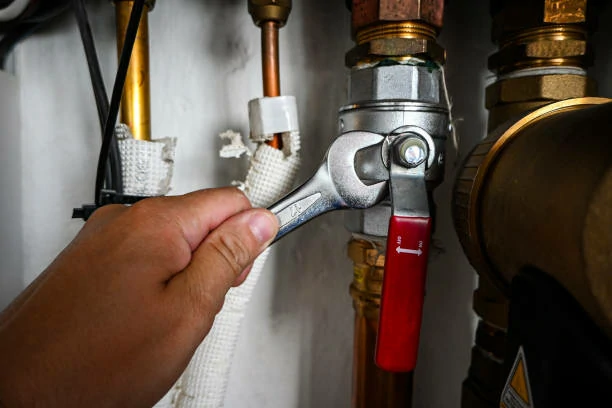
Introduction: Understanding Brass Valve Thread Standards
When working with plumbing or industrial systems, choosing the right brass valve is essential. However, thread types can cause confusion. Two of the most common standards are NPT (National Pipe Thread) and BSP (British Standard Pipe). Although they may appear similar, they are not interchangeable. This guide explains the key differences between NPT and BSP brass valves. By understanding their design, usage, and compatibility, you can avoid leaks, malfunctions, or costly replacements.
What Is NPT Thread?
NPT stands for National Pipe Taper. It is the standard thread type used in North America. The threads are tapered, which means they narrow as they go deeper. This design creates a seal when the male and female parts are tightened together. Because of its tight seal, NPT threads are ideal for high-pressure applications. Furthermore, the 60-degree thread angle helps prevent leaks when combined with thread tape or sealant. You will often find NPT threads in gas, water, and hydraulic systems in the U.S. and Canada.
What Is BSP Thread?
BSP, or British Standard Pipe, is widely used in Europe, Asia, and other parts of the world. It includes two types: BSPP (parallel) and BSPT (tapered). BSPP requires a washer or O-ring to create a seal, while BSPT seals like NPT, through thread contact. However, BSP uses a 55-degree thread angle instead of 60 degrees. This small difference makes BSP and NPT incompatible. BSP threads follow metric standards, and you’ll find them in plumbing, irrigation, and compressed air systems globally.
Thread Shape and Angle Differences
Although NPT and BSP threads might look similar, their shapes are quite different. NPT threads are sharper with a 60-degree angle, while BSP threads have a 55-degree angle and a slightly rounded crest and root. This angle difference prevents proper sealing if mismatched. Additionally, NPT threads taper consistently, but BSPP threads remain parallel. As a result, even though the thread pitch may match, they will not create a leak-proof seal if combined. Always double-check the thread standard before installation.
Applications of NPT vs BSP Brass Valves
NPT brass valves are most common in the United States, especially in heating, ventilation, gas lines, and industrial systems. On the other hand, BSP brass valves dominate in Europe, Asia, and the Middle East. They are frequently used in irrigation systems, water filters, and plumbing lines. Because of these regional preferences, imported systems or parts often require adaptors. Choosing the correct valve helps avoid system failure and ensures compatibility with your fittings, especially in global projects.
Can You Mix NPT and BSP Threads?
While it might be tempting to connect NPT and BSP threads, doing so often leads to leaks or damage. The mismatch in angle and thread profile causes poor sealing and mechanical stress. Some people manage to force-fit the two using sealant, but this approach is unreliable and unsafe. If you must join NPT and BSP components, use a proper adaptor or union. These connectors are designed to bridge the difference and ensure a tight, secure fit.
How to Identify Thread Type on Brass Valves
Identifying the thread type on brass valves can save you time and prevent errors. Start by checking for markings on the valve body. Manufacturers often stamp “NPT” or “BSP” near the thread. If not labeled, use a thread gauge or caliper to measure thread pitch and diameter. Also, note the region of origin: valves from the U.S. typically use NPT, while those from Europe or China often use BSP. When in doubt, consult your supplier to confirm the correct type.
Choosing the Right Brass Valve for Your System
To choose the right valve, start by identifying your system’s thread standard. If you’re in North America, NPT is likely your default. For international systems, BSP is more common. Next, consider the type of connection—parallel or tapered—and whether your application needs a washer, O-ring, or thread sealant. Additionally, match the valve size with your pipe dimensions, and ensure the pressure rating suits your application. Taking time to verify each of these details will help you avoid future complications.
IFAN Product International Standard
IFAN designs its piping and valve products to meet a wide range of international standards, ensuring global compatibility and trusted performance. The company strictly follows ISO 15875 and BS EN ISO 15875, which define the requirements for PEX pipes used in hot and cold water systems. IFAN also complies with GB/T 18992, the Chinese national standard, and DIN 16892, the German specification for plastic piping systems, to guarantee regional quality and reliability.
To meet North American requirements, IFAN products are certified under ASTM F877 and ASTM F2788, ensuring safe use in hot and cold water distribution. In the UK, IFAN adheres to the BS 7291 standard, which applies to polybutylene and polyethylene systems in residential and commercial buildings. Additionally, CSA B137 certification confirms IFAN’s compliance with Canadian plumbing standards.
By meeting these rigorous international benchmarks, IFAN delivers high-quality, dependable solutions trusted by professionals worldwide. This comprehensive compliance enhances product safety, boosts customer confidence, and supports IFAN’s strong presence in the global market.
Contact
IFAN is a professional manufacturer with 30 years of experience, dedicated to producing high-quality plastic pipes, fittings, and valves. Our products include brass valves, PPR valves, as well as various pipes and fittings to meet different customer needs. Whether you need plumbing and drainage pipes or valve products. IFAN can provide a diverse range of high-quality, cost-effective products to support your projects. Below is our contact information.
We will reply your email or fax within 24 hours.
You can call us at any time if there is any question on our production.
Pls Mailto:[email protected]









Recent Comments