
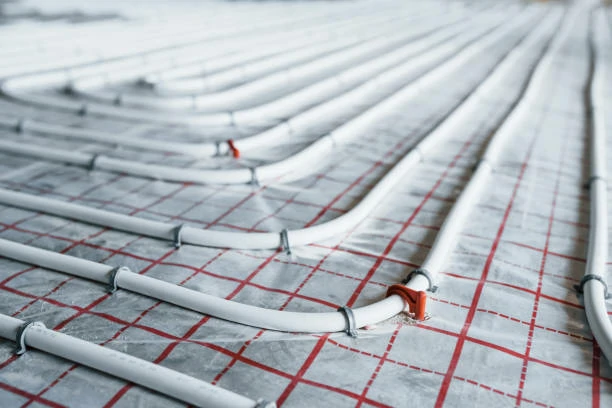
PEX (cross-linked polyethylene) piping systems have transformed plumbing, heating, and cooling installations, largely due to their flexibility, cost-effectiveness, and durability. Central to the efficiency of these systems are PEX piping manifolds, which serve as hubs to distribute water or other fluids to individual fixtures throughout a building. The mechanical performance of PEX piping manifolds directly impacts the overall reliability and effectiveness of plumbing systems. In this article, we will explore the mechanical properties that define the performance of PEX piping manifolds, highlighting key factors such as strength, flexibility, thermal resistance, pressure handling, and durability.
1. Tensile Strength and Structural Integrity
Tensile strength, which refers to a material’s resistance to breaking under tension, plays a critical role in determining the mechanical performance of PEX piping manifolds. These manifolds are responsible for distributing water to multiple points, so their structural integrity must withstand the constant pressure and force exerted by the flowing fluid. Manufacturers design PEX manifolds to handle this stress without compromising performance.
PEX piping manifolds are typically made from brass, stainless steel, or high-quality polymers, all of which offer excellent tensile strength. For example, brass manifolds provide a high degree of strength and resist deformation under load, making them suitable for high-pressure applications. Polymer-based manifolds, while slightly less rigid than metal counterparts, still exhibit sufficient tensile strength for residential and light commercial applications. These materials ensure that PEX manifolds can endure daily wear and tear without cracking, warping, or leaking.
2. Flexibility and Ease of Installation
One of the standout features of PEX piping systems lies in the flexibility of PEX tubing, which allows installers to easily route lines through walls, around corners, and into tight spaces. PEX manifolds also support this ease of installation by simplifying connections between the main water supply and individual fixtures. While manifolds themselves are typically rigid components, the flexibility of the tubing connected to them ensures the entire system remains adaptable to various architectural layouts.
The flexibility of PEX tubing significantly reduces the need for additional fittings and joints, which decreases the potential for leaks and system failures. This advantage extends to the mechanical performance of the manifold, as fewer connection points reduce the mechanical stress on the manifold itself. Manifolds often feature multiple ports, which allow installers to connect individual lines quickly and efficiently without complex plumbing configurations. This design minimizes the mechanical strain on the entire system during installation and operation, improving the longevity and performance of both the manifold and the tubing.
3. Pressure Handling and Burst Strength
PEX piping manifolds must withstand the pressures exerted by water or other fluids flowing through the system. In both residential and commercial settings, water pressure can fluctuate, creating potential stress on the plumbing system. The ability of a PEX manifold to handle these pressure variations without failure or rupture is a key aspect of its mechanical performance.
Manufacturers design PEX manifolds to meet specific pressure ratings, typically ranging from 100 to 160 psi for residential applications. The manifold must handle these pressures without cracking or bursting, even when subjected to occasional spikes in water pressure. To achieve this, high-quality manifolds use materials that offer excellent burst strength, such as brass or high-density polyethylene (HDPE). Burst strength, which refers to the pressure at which a material will fail, ensures that PEX manifolds maintain integrity under extreme conditions.
Additionally, PEX tubing systems feature the ability to expand slightly when exposed to pressure, which further reduces the likelihood of bursts or system failures. The manifold, as the central hub of the system, must support this feature by maintaining stability even under fluctuating pressure loads. Reliable PEX manifolds ensure consistent water distribution while withstanding the mechanical forces that can compromise less durable plumbing components.
4. Thermal Resistance and Temperature Fluctuations
PEX piping systems are often used for both hot and cold water distribution, as well as in hydronic heating systems. This versatility requires PEX manifolds to handle a wide range of temperatures without degrading or losing mechanical performance. The ability to withstand thermal fluctuations, including exposure to extreme hot and cold temperatures, is a key mechanical feature of PEX piping manifolds.
High-quality PEX manifolds resist deformation and cracking when exposed to temperatures ranging from below freezing (around 32°F or 0°C) to well over 200°F (93°C) in hot water applications. Brass and stainless steel manifolds, commonly used in these systems, provide superior thermal resistance. They can handle the expansion and contraction caused by temperature changes without weakening or warping. Similarly, polymer-based manifolds offer excellent temperature resistance, though they are typically used in systems with moderate temperature ranges.
PEX manifolds designed for hydronic heating systems must also maintain performance at elevated temperatures for extended periods. These systems circulate heated water through the manifold to distribute warmth throughout a building, so the manifold must handle continuous exposure to high temperatures without compromising mechanical integrity. Manifolds made from heat-resistant materials ensure long-term reliability, reducing the risk of system failure due to thermal stress.
5. Corrosion and Chemical Resistance
Corrosion resistance plays a significant role in determining the long-term mechanical performance of PEX piping manifolds. Unlike traditional metal piping systems, which often suffer from corrosion when exposed to water, oxygen, and other chemicals, PEX systems provide excellent resistance to corrosion. This advantage extends to the manifold, which remains a key component in ensuring the overall durability of the system.
Brass and stainless steel manifolds, commonly used in high-performance applications, offer superior resistance to corrosion. They resist the buildup of mineral deposits, scale, and rust, ensuring that the manifold remains free of obstructions and leaks over time. In areas with hard water or where water chemistry varies, this feature significantly enhances the lifespan of the manifold and the entire PEX system.
Polymer-based manifolds also perform well in terms of corrosion resistance. These manifolds do not react with water or chemicals commonly found in plumbing systems, making them ideal for environments where exposure to corrosive substances is a concern. Additionally, polymer materials resist scaling, which can obstruct water flow and reduce the efficiency of the system. This chemical resistance ensures that PEX manifolds remain effective even in harsh operating conditions, maintaining their mechanical performance over time.
6. Durability and Longevity
The overall durability of PEX piping manifolds directly impacts their mechanical performance, especially in long-term applications. Durability refers to the ability of the manifold to withstand environmental and mechanical stress without experiencing degradation or failure. Manifolds must endure daily exposure to water pressure, temperature changes, and potential mechanical stress caused by installation or maintenance activities.
PEX manifolds, particularly those made from brass or stainless steel, offer exceptional durability, often lasting several decades when properly installed and maintained. Polymer manifolds also provide a long service life, though they may not perform as well as metal manifolds in extreme conditions. By minimizing wear and tear, high-quality manifolds help ensure that the entire PEX piping system remains reliable over the lifespan of the building.
Factors such as the material composition, design, and manufacturing processes all contribute to the durability of the manifold. Manufacturers often reinforce PEX manifolds with high-strength materials and coatings that resist wear, impact, and environmental degradation. These features not only enhance the immediate performance of the manifold but also extend its service life, reducing the need for repairs or replacements over time.
7. Vibration and Noise Reduction
In plumbing systems, especially in larger buildings, water flow can generate vibrations and noise, which can affect the mechanical performance and user experience. PEX piping systems, with their flexible tubing and fewer connections, help reduce vibration and noise compared to traditional metal pipes. The PEX manifold plays a role in this as well by distributing water more evenly and reducing the occurrence of water hammer, which is the loud knocking sound caused by the sudden stopping of water flow in pipes.
PEX manifolds designed with vibration-reducing features, such as integrated brackets or dampening elements, further improve the performance of the system by minimizing noise and protecting the manifold from mechanical stress caused by vibration. This feature ensures a quieter, more efficient plumbing system that experiences less wear and tear over time.
The Best Pex Pipe Fitting Suppliers
| Company Name | Brand | Founded | Address |
| Zhejiang Zhuji sail pipe industry Co., LTD | IFAN | 1993 | International Trade Building, 999 Chouzhou North Road, Yiwu City, Zhejiang Province,China |
| Uponor Corporation | Uponor | 1620 | Uponor Building Solutions, LLC, 5925 148th St W, Apple Valley, MN 55124, USA |
| Viega LLC | Viega | 1899 | Viega LLC, 10850 Pecos St, Westminster, CO 80020, USA |
| REHAU Inc. | Rehau | 1948 | REHAU Inc., 400 Steeles Ave W, Thornhill, ON L3T 1A7, Canada |
| NIBCO Inc. | NIBCO Inc. | 1904 | NIBCO Inc., 1516 Middlebury St, Elkhart, IN 46516, USA |
IFAN is a brand that offers products that meet a wide range of international standards, ensuring the quality and reliability of every product.Product standard including: ASTM F1974, ASTM F1281, CSA B137, DIN 16836, GB18997, ISO 21003. IFAN is committed to providing high quality products and excellent service!
Conclusion
The mechanical performance of PEX piping manifolds depends on various factors, including tensile strength, flexibility, pressure handling, thermal resistance, and durability. These characteristics ensure that PEX manifolds provide reliable water distribution in a wide range of applications, from residential plumbing to commercial heating systems. By selecting high-quality materials and designs that optimize these mechanical properties, manufacturers and installers can ensure the long-term efficiency and reliability of PEX piping systems.
Contact
IFAN is a professional manufacturer with 30 years of experience, dedicated to producing high-quality plastic pipes, fittings, and valves. Our products include brass valves, PPR valves, as well as various pipes and fittings to meet different customer needs. Whether you need plumbing and drainage pipes or valve products, IFAN can provide a diverse range of high-quality, cost-effective products to support your projects. Below is our contact information.
We will reply your email or fax within 24 hours.
You can call us at any time if there is any question on our production.
For more information,pls visit our webside https://pipefittingpro.com/
Pls Mailto: [email protected]
Whatsapp: + 86 19857948982





Recent Comments