
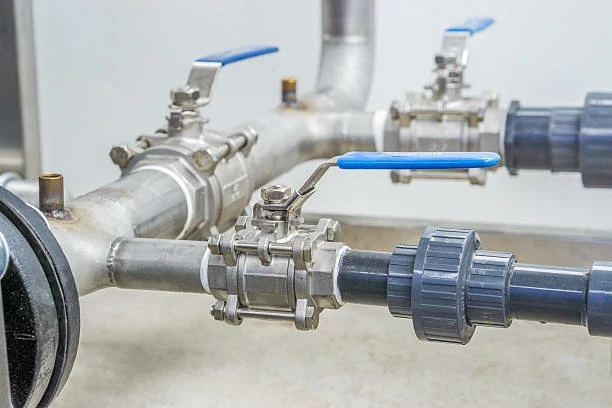
PVC fittings offer several advantages, particularly in terms of maintenance costs. These fittings are widely used across various industries due to their affordability, durability, and ease of installation. Understanding the factors that influence the maintenance costs of them can help businesses and homeowners make informed decisions. This article explores the elements contributing to the low maintenance costs of them, including their durability, resistance to corrosion, ease of inspection and repair, and overall longevity.
Durability Reduces the Need for Frequent Repairs
PVC fittings stand out for their durability, which significantly reduces the need for frequent repairs. Unlike metal fittings that may rust or corrode over time, PVC fittings resist corrosion, ensuring a longer lifespan with minimal need for maintenance. The durability of them means that they can withstand harsh conditions, including exposure to chemicals, moisture, and varying temperatures, without degrading. This resistance to environmental factors contributes to their longevity and reduces the frequency of repairs, resulting in lower maintenance costs over time.
In plumbing and irrigation systems, where constant water flow can cause wear and tear, PVC fittings maintain their structural integrity for extended periods. This reliability means that users do not need to allocate substantial budgets for regular maintenance or replacement, making them a cost-effective option in the long run.
Corrosion Resistance Lowers Maintenance Expenses
Corrosion resistance represents a significant advantage of them. It can lead to leaks, cracks, and eventual failure of fittings, necessitating costly repairs or replacements. However, PVC fittings do not corrode, even when exposed to water, chemicals, or harsh environmental conditions. This resistance to corrosion ensures that the fittings remain functional and intact, reducing the need for maintenance.
In industrial applications where exposure to corrosive substances is common, PVC fittings offer a reliable and low-maintenance solution. The absence of corrosion-related issues translates into fewer inspections, repairs, and replacements, lowering overall maintenance expenses. Additionally, PVC fittings do not require the application of protective coatings or treatments to prevent corrosion, further reducing maintenance costs.
Ease of Inspection and Repair
PVC fittings allow for easy inspection and repair, which contributes to lower maintenance costs. Their lightweight nature and ease of handling make them accessible for routine inspections, enabling early detection of potential issues. When a problem arises, such as a crack or leak, PVC fittings can be quickly and easily repaired or replaced without specialized tools or extensive labor.
In contrast to metal fittings, which may require welding or other complex repair techniques, PVC fittings can often be fixed using simple adhesive solutions or by replacing the damaged section. This ease of repair reduces downtime and labor costs, making maintenance more affordable and less time-consuming.
The modular design of them also facilitates quick repairs. In many systems, PVC fittings can be disconnected and replaced individually without disturbing the surrounding components. This feature minimizes the extent of repair work needed and keeps maintenance costs low.
Longevity and Reliability
The long lifespan of PVC fittings further contributes to their low maintenance costs. PVC fittings can last for decades without significant degradation, especially when used in environments that do not expose them to extreme conditions. This longevity ensures that users do not need to frequently replace fittings, reducing both the cost and effort associated with maintenance.
For water supply systems, where reliability is critical, the long service life of them provides peace of mind and cost savings. The durability and stability of these fittings mean that they continue to perform effectively over time, reducing the likelihood of unexpected failures or maintenance issues. This reliability lowers the overall cost of ownership and makes PVC fittings a financially sound choice.
Resistance to Chemical Damage
PVC fittings resist damage from a wide range of chemicals, which further reduces maintenance costs. In industrial and agricultural applications, exposure to chemicals can cause fittings made from other materials to degrade or fail. However, PVC fittings remain unaffected by many common chemicals, ensuring that they maintain their structural integrity and functionality.
The resistance to chemical damage minimizes the need for maintenance and replacement, especially in environments where chemical exposure is a regular occurrence. Users of PVC fittings do not need to invest in specialized maintenance procedures or protective measures to guard against chemical damage, further lowering maintenance costs.
Minimal Biofilm Formation and Clogging
Another factor that contributes to the low maintenance costs of them is their resistance to biofilm formation and clogging. Biofilms, which are collections of microorganisms that can accumulate inside pipes and fittings, can cause blockages and reduce the efficiency of a system. PVC fittings have smooth interior surfaces that discourage the growth of biofilms, minimizing the risk of clogging.
In water supply and wastewater management systems, the ability to resist biofilm formation translates into fewer blockages and less frequent maintenance. Users do not need to regularly clean or flush the system to prevent clogs, reducing the time and resources spent on maintenance. This resistance to clogging makes PVC fittings an ideal choice for systems that require consistent and reliable operation.
Energy Efficiency and Lower Operational Costs
PVC fittings also contribute to energy efficiency, which can indirectly reduce maintenance costs. The smooth interior surfaces of them reduce friction and pressure loss within the system, leading to more efficient flow and lower energy consumption. This efficiency not only lowers operational costs but also reduces the wear and tear on pumps and other system components, extending their lifespan and reducing the need for maintenance.
In systems where energy efficiency is a priority, the use of them can result in lower overall costs, including maintenance expenses. The reduced strain on system components means fewer breakdowns and less frequent maintenance, contributing to the overall cost-effectiveness of them.
Environmental and Safety Considerations
The environmental and safety aspects of PVC fittings also play a role in reducing maintenance costs. PVC fittings do not release harmful chemicals or degrade into toxic substances, ensuring that they do not contaminate the surrounding environment or pose health risks. This non-toxicity reduces the need for environmental monitoring or specialized safety measures, which can be costly to implement and maintain.
Additionally, the safety of PVC fittings means that maintenance work can be carried out without the need for protective equipment or special precautions, further reducing maintenance costs. In environments where safety is a concern, the use of them simplifies maintenance procedures and lowers associated expenses.
Top 10 PVC Manufacturers in the World by Revenue
| Company Name | Headquarters | Revenue (USD) | Year Founded |
| ChemChina | Haidian District, Beijing, China | 46.5 Billion | 1984 |
| Formosa Plastics Corporation | Kaohsiung City, Taiwan | 36.09 Billion | 1954 |
| Dupont | Midland, Michigan, United States | 21.57 Billion | 1802 |
| LG Chem Ltd | Seoul, South Korea | 20.04 BIllion | 1947 |
| Shin-Etsu Chemical Co., Ltd. | Tokyo, Japan | 14.2 BIllion | 1926 |
| Westlake Chemical Corporation | Houston, Texas, United States | 8.63 Billion | 1986 |
| Axiall | Atlanta, Georgia, United States | 8.6 Billion | 1985 |
| Orbia | Mexico City, Mexico | 6.4 Billion | 1953 |
| Celanese Corporation | Irving, Texas, United States | 6.29 Billion | 1918 |
| PolyOne Corporation | Avon Lake, Ohio, United States | 3.24 Billion | 2000 |
Conclusion
The maintenance costs of PVC fittings remain low due to several key factors, including their durability, resistance to corrosion and chemical damage, ease of inspection and repair, longevity, and minimal biofilm formation. These attributes make PVC fittings a cost-effective choice for a wide range of applications, from residential plumbing to industrial systems. By reducing the need for frequent repairs, replacements, and specialized maintenance procedures, PVC fittings offer long-term savings and reliability. As a result, businesses and homeowners alike can benefit from the low maintenance costs associated with PVC fittings, making them a practical and economical option.
Contact
IFAN is a professional manufacturer with 30 years of experience, dedicated to producing high-quality plastic pipes, fittings, and valves. Our products include brass valves, PPR valves, as well as various pipes and fittings to meet different customer needs. Whether you need plumbing and drainage pipes or valve products, IFAN can provide a diverse range of high-quality, cost-effective products to support your projects. Below is our contact information.
We will reply your email or fax within 24 hours.
You can call us at any time if there is any question on our production.
For more information,pls visit our webside https://pipefittingpro.com/
Pls Mailto: [email protected]
Whatsapp: + 86 19857948982




Recent Comments