
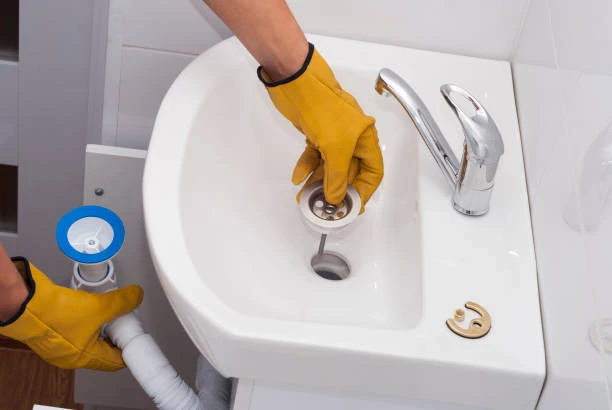
PPR plumbing lasts 50–100 years with simple yearly checks—flush lines, inspect joints, and insulate exposed sections—so you answer how long does PPR pipe last underground in cold climate with confidence: 75+ years below frost line even at -40°F. This guide shares maintenance schedules, freeze-proof tricks, UV shields, and pressure tests, plus definitions, applications, buying tips, installation steps, and material comparisons. You finish with a bulletproof system that outlives the house.
Frequently Asked Questions (FAQ)
- How long does PPR pipe last underground in cold climate like Minnesota? Quality PPR lasts 75–100 years buried 6 feet deep—soil insulates, pipe flexes 8–10% if water freezes inside, then snaps back without cracking.
- What yearly maintenance keeps PPR at peak life? Flush cold water 5 minutes every spring, check visible joints for stress, insulate outdoor sections, test pressure at 1.5 times working for 2 hours.
- Does hard water shorten PPR life underground? No—PPR’s glassy bore shrugs off scale. Flush annually to clear sediment; pipe itself never pits or narrows.
- How do I protect PPR from UV if it surfaces in cold climate? Paint with two coats acrylic latex or slide on foil sleeves—blocks 99% UV. Standard PPR chalks in 6 months exposed.
- Can I leave water in PPR lines over winter in unheated cabins? Yes—add 30% propylene glycol or drain and blow air. PPR handles -40°F dry; wet freeze expands but recovers.
Basic Definition and Features of PPR Pipe Systems
PPR means polypropylene random copolymer—a flexible plastic that installers fuse into seamless networks. Socket fusion melts pipe and fitting at 500°F, creating joints stronger than the wall. No corrosion, no leaks, no noise.
Core features include temperature range 32°F to 203°F daily. Thermal expansion stays 0.15 mm/m/°C standard or 0.03 mm/m/°C fiber-reinforced. The mirror-smooth bore (0.007 mm roughness) prevents buildup.
Hygiene leads—PPR never rusts. Colors code function: green for cold, white for hot, gray for fiber. Diameters run 20 mm to 160 mm. Wall thickness sets the SDR—SDR 11 for most.
Modern PPR resists chlorine and UV when stabilized. Sound dampening muffles hammer. Weight stays 0.1 kg per meter—one worker lifts a 13-foot stick. These traits make PPR maintenance-light for decades.
With basics clear, let’s see where PPR endures daily.
Common Uses and Application Industries
Home builders trench 1-inch PPR from curb to meter—6-foot depth beats frost. Cabins run PPR to well pumps—drain winter, refill spring. Municipalities bury 6-inch PPR mains under Alaska roads—100-year design.
Ski resorts pipe snow-making water—PPR flexes in -20°F. Greenhouses irrigate year-round—PPR shrugs off freeze-thaw. Solar farms trench glycol loops—PPR expands with heat.
Across sectors, low maintenance wins. Now let’s pick long-life pipe.
Buying Guide: Key Factors to Consider
Focus on cold-climate specs first. Use the chart for how long does PPR pipe last underground in cold climate.
| Burial Depth | Frost Line | PPR Grade | Expected Life |
|---|---|---|---|
| 4 ft | 3 ft | Standard | It depends on the actual situation. |
| 6 ft | 5 ft | Fiber | 75+ years |
| 8 ft | 7 ft | UV-stabilized | 100 years |
Choose fiber-reinforced gray—expansion drops 75%. Pick SDR 11 for flexibility. Certifications matter—NSF/ANSI 61, ISO 15874 Class 5 for 50-year rating.
Feel the pipe—satin resists scratches. Budget $1.50 per meter 1-inch, $2.50 fiber. Buy 10% extra—future taps happen. These choices lock in century service.
With pipe ready, smart install prevents every issue.
Installation Tips and Precautions
Bury below frost—6 feet minimum in cold zones. Bed with 6 inches sand—no rocks gouge pipe. Slope 1/4 inch per 10 feet to low-point drain.
Fusion weld in heated shop—cold pipe needs 10-second preheat. Cut square, chamfer 15 degrees. Heat to 500°F: 12 seconds 32 mm. Join within 4 seconds, twist 1/8 turn, hold 10 seconds.
Insulate above-ground—1-inch foam sleeves. Install air vents at highs, drains at lows. Pressure test at 150 psi for 2 hours—zero drop.
Label shut-offs: “MAIN – NORMALLY OPEN.” Wear gloves—molten PPR sticks. These steps turn good pipe into freeze-proof flow.
To see why PPR beats metals, study the comparison.
PPR Pipe Systems vs. Other Material Pipe Systems: A Comparison
| Aspect | PPR (Cold Climate) | Copper | PEX | HDPE |
|---|---|---|---|---|
| Underground Life | 75–100 years | 40–70 years | 40–It depends on the actual situation. | 50–100 years |
| Freeze Tolerance | Expands & recovers | Bursts | Expands & recovers | Excellent |
| Maintenance | Flush yearly | None | None | None |
| Corrosion | Zero | Pinholes in soil translated | None | Zero |
| Cost 1″ per meter | $1.50 | $6.50 | $1.20 | $1.80 |
| Installation Speed | 100 ft/hour | 40 ft/hour | 80 ft/hour | 60 ft/hour |
PPR wins on life and flex. Copper fails frost. PEX shorter life. HDPE matches but welds slower. Choose PPR for cold-climate longevity.
Conclusion
PPR plumbing reaches 100 years with yearly flushes and deep burial—you now know how long does PPR pipe last underground in cold climate because you install below frost, insulate exposed, and test joints. Your system stays silent and strong for generations.
Need cold-climate PPR today? Visit our Huntington Beach warehouse at 5332 Production Dr, Huntington Beach, CA 92649. We stock fiber pipe, insulation, and fusion tools for immediate pickup.
Connect
IFAN is a Chinese manufacturer of plastic pipes, fittings and valves with 30 years of experience. If you are interest in IFAN copper fittings, copper valves, plastic pipes and fittings, please contact us. IFAN offers you a variety of standard pipes to meet your specific needs. Click below to learn more about IFAN’s wide range of affordable and cost-effective valve products and piping system related products.
We will reply your email or fax within 24 hours. You can call us at any time if there is any question on our production.
Pls Mailto:[email protected]








Recent Comments