
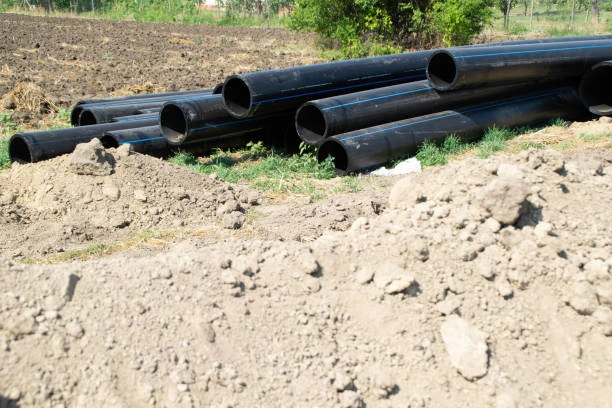
Efficient irrigation systems are crucial for maximizing crop yields and ensuring sustainable agricultural practices. Water is the lifeline of agriculture, and ensuring crops receive the right amount of water at the right time is fundamental to agricultural success. Proper irrigation reduces water waste, improves plant health, and optimizes resource use.
The Importance of Proper Irrigation in Agriculture
Agricultural pipes are a key component of water resource management and improving agricultural efficiency; they help deliver water effectively to various farmlands. Agricultural irrigation pipes play a vital role in this process, acting as channels for water delivery to crops. Choosing the right agricultural irrigation pipes can improve the efficiency of the irrigation system, minimize water loss, and ensure crops receive adequate water. Selecting the optimal agricultural irrigation pipes based on your specific needs is key to building a reliable and cost-effective irrigation system. The advantages of choosing the right agricultural pipes include: greater durability, lower cost-effectiveness, and higher crop yields.
Maintenance and Lifespan of Agricultural Irrigation Pipes
Properly maintaining irrigation pipes is not complicated; some routine maintenance can significantly extend their lifespan. Regularly checking pipes for blockages, leaks, cracks, or any signs of wear is crucial—especially when operating under high pressure. If a section of pipe shows damage or wear, it should be replaced as soon as possible to prevent small problems from escalating into major issues.
Common Mistakes to Avoid When Selecting and Using Irrigation Pipes
Choosing the right irrigation pipes and using them correctly is essential for the efficiency of your farm’s irrigation system. However, even experienced farmers can make mistakes. These mistakes can reduce efficiency, waste time, and even reduce the amount of water used for crop irrigation. Understanding which mistakes to avoid will help your irrigation system (including drip irrigation systems) operate smoothly and promote better plant growth.
Choosing the Wrong Pipe Material
A common mistake is using pipe materials that are unsuitable for the irrigation method or farmland conditions. For example, some pipes perform poorly in very wet soil or environments where chemicals are used, leading to leaks and premature damage. If the system or environment requires it, it is best to choose materials such as high-density polyethylene (HDPE).
Choosing the Wrong Pipe Size
Another easy mistake is choosing the wrong pipe diameter. If the pipes are too small, the water flow will be restricted, resulting in some fields not receiving enough water. If the pipes are too large, it will cause unnecessary waste and increased costs. Choosing the right size requires considering the system’s water requirements and the number of crops being irrigated.
Neglecting Regular Maintenance
Many irrigation problems stem from untimely pipe inspections. Pipes can become clogged, leak, or wear down over time. This is especially true for drip irrigation systems, where even minor blockages can cause major problems. Timely cleaning or repair of problems ensures smooth water flow and avoids downtime.
Improper Installation
Improper installation is another area prone to problems. Loose joints or improperly arranged pipes often lead to leaks and water waste. Ensuring all components are securely connected and arranged according to the design drawings helps the system operate better and reduces future maintenance.
Neglecting Drip Irrigation System Compatibility
When connecting new pipes to a drip irrigation system, the material, size, and pressure rating of these pipes must match. Mixing incompatible components will cause leaks and reduce efficiency. It is best to double-check with the irrigation equipment supplier or technicians to ensure that all components are perfectly compatible. Avoiding these common mistakes helps farmers improve system efficiency, extend pipeline life, reduce labor costs, and ensure crops receive a stable and reliable water supply.
IFAN’s international standards
IFAN manufactures irrigation HDPE pipes that comply with a wide range of international standards, ensuring reliability for global markets. These standards include ASTM D3035, ASTM D3350, the ISO 4427 Series, EN 12201 Series, DIN 8074/8075, and the GB/T 13663 Series. Additionally, IFAN products meet AS/NZS 4130, JIS K6760, BS 6572, and CSA B137.1 requirements. With such comprehensive compliance, IFAN guarantees consistent quality, strong performance, and compatibility with diverse engineering specifications.
Contact
IFAN is a professional manufacturer with 30 years of experience, dedicated to producing high-quality plastic pipes, fittings, and valves. Our products include brass valves, PPR valves, as well as various pipes and fittings to meet different customer needs. Whether you need plumbing and drainage pipes or valve products. IFAN can provide a diverse range of high-quality, cost-effective products to support your projects. Below is our contact information.
We will reply your email or fax within 24 hours.
You can call us at any time if there is any question on our production.
Pls Mailto:[email protected]



Recent Comments