
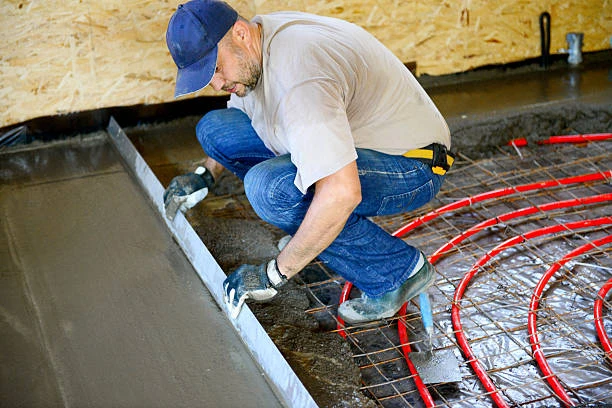
Insulated PEX pipe offers a smart solution for anyone looking to maintain water temperature and reduce energy waste in their plumbing systems. Whether used in residential, commercial, or industrial projects, this advanced piping system combines the flexibility of PEX with the energy-saving properties of insulation. In this guide, we’ll explore the key benefits, common applications, installation advice, and how to choose the right insulated PEX pipe for your needs.
Frequently Asked Questions (FAQ)
1. What is an insulated PEX pipe?
It’s a PEX pipe surrounded by thermal insulation, designed to maintain water temperature and prevent heat loss.
2. Is insulated PEX pipe better than standard PEX?
Yes. It offers additional thermal efficiency, especially in long runs or outdoor installations.
3. Where can I use insulated PEX pipe?
Common in hot water systems, radiant floor heating, and cold weather plumbing.
4. Does it come in different sizes?
Absolutely. Sizes range from 1/2 inch to 2 inches, with varying insulation thicknesses.
5. Can I install insulated PEX pipe underground?
Yes. It’s ideal for underground use due to its freeze protection and durability.
What Is Insulated PEX Pipe?
Insulated PEX pipe is essentially a cross-linked polyethylene (PEX) pipe that is pre-wrapped with a layer of insulation, usually made from closed-cell foam. This insulation helps retain heat in hot water systems and provides freeze protection in cold environments. By combining flexibility, durability, and thermal efficiency, insulated PEX pipes stand out as a high-performance option in both residential and commercial settings.
Main Features of Insulated PEX Pipe
- Thermal Retention: Reduces heat loss in hot water systems, keeping water warmer for longer.
- Freeze Resistance: Prevents water from freezing in cold climates.
- Energy Efficient: Lowers utility bills by reducing energy used for reheating water.
- Flexible Design: Allows for easy routing around obstacles with fewer joints.
- Corrosion-Free: Unlike metal pipes, PEX doesn’t corrode or scale over time.
- Lightweight: Easy to transport and handle, even on larger job sites.
Common Applications and Industries
Insulated PEX pipes are versatile and serve many applications, such as:
- Residential Hot Water Lines: Ensures hot water remains at the desired temperature.
- Radiant Floor Heating: Maintains warm water for underfloor systems without significant heat loss.
- Outdoor Installations: Perfect for pipe runs through unheated areas or underground.
- Commercial Buildings: Used in hotels, schools, and hospitals for efficient water delivery.
- Industrial Heating Systems: Carries hot fluids across large facilities without energy loss.
Buying Guide: How to Choose the Right Insulated PEX Pipe
When selecting insulated PEX pipe, consider the following factors:
1. Pipe Size
Determine the correct diameter based on your system’s water flow requirements. Common sizes include 1/2″, 3/4″, 1″, and 1 1/2″.
2. Insulation Thickness
For colder environments, choose thicker insulation to prevent freezing and maintain temperature.
3. Insulation Material
Look for closed-cell foam or polyurethane with a high R-value to ensure efficient thermal resistance.
4. PEX Type
PEX-A offers the highest flexibility and resistance to freezing, while PEX-B and PEX-C are more rigid.
5. Color Coding
Use red for hot water, blue for cold, and white or grey for general applications.
6. Certifications
Ensure compliance with plumbing and energy standards like ASTM F876, NSF 61, and CSA.
Installation Tips and Best Practices
To get the best performance from insulated PEX pipe, follow these guidelines:
- Plan the Layout: Minimize the number of fittings and avoid sharp bends to maintain flow efficiency.
- Support the Pipe Properly: Use hangers and supports to prevent sagging, especially for long runs.
- Seal the Ends: Prevent moisture ingress into the insulation with tight sealing.
- Avoid Direct Sunlight: UV rays can damage PEX over time; use covers for exposed areas.
- Test Before Use: Pressure-test the system to ensure leak-free installation.
Insulated PEX Pipe vs. Other Piping Options
| Feature | Insulated PEX Pipe | Copper Pipe | PVC Pipe |
|---|---|---|---|
| Flexibility | Excellent | Poor | Fair |
| Thermal Efficiency | High | Low | Low |
| Freeze Protection | Yes | No | Limited |
| Corrosion Resistance | High | Low | Moderate |
| Installation Complexity | Easy | Complex | Moderate |
| Cost | Moderate | High | Low |
Conclusion
PEX pipe offers a practical, energy-efficient, and versatile solution for today’s plumbing and heating systems. Whether you’re planning a new home installation or upgrading an existing water system, choosing insulated PEX can help reduce energy consumption, prevent pipe freezing, and ensure long-term performance. Its ease of installation and durability make it a top choice for professionals and DIYers alike.
IFAN Standard
Our PEX plumbing products strictly comply with major international standards, ensuring safety, durability, and performance. These include ISO 15875, GB/T 18992, DIN 16892, ASTM F877, ASTM F2788, BS 7291, BS EN ISO 15875, and CSA B137. Each of these certifications validates the material quality, thermal resistance, and pressure capacity required for high-performance plumbing systems across residential, commercial, and industrial applications.
Contact
IFAN is a professional manufacturer with 30 years of experience, dedicated to producing high-quality plastic pipes, fittings, and valves. Our products include brass valves, PPR valves, as well as various pipes and fittings to meet different customer needs. Whether you need plumbing and drainage pipes or valve products. IFAN can provide a diverse range of high-quality, cost-effective products to support your projects. Below is our contact information.
We will reply your email or fax within 24 hours.
You can call us at any time if there is any question on our production.
Pls Mailto:[email protected]











Recent Comments