
1. Basic Definition and Summary
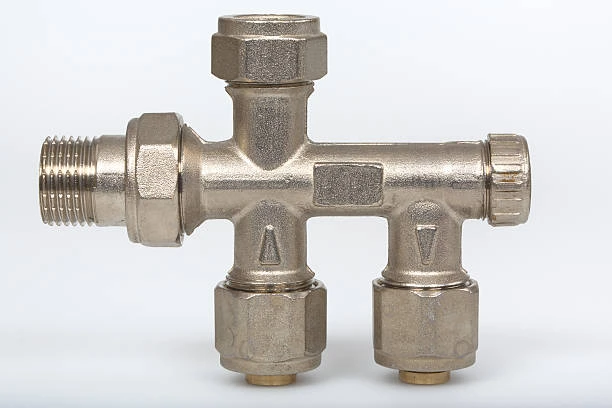
The term brass manifold with valve for HVAC applications describes a distribution component designed to manage heating and cooling circuits in industrial and commercial systems. It regulates fluid flow through multiple zones and supports energy optimization strategies. Brass alloy construction delivers corrosion resistance and consistent performance under variable temperatures. Modern industrial HVAC networks demand reliability, intelligent control, and quick maintenance. This manifold format helps engineers redesign systems, reduce leakage points, and improve circulation. Growing mechanical system upgrades continue to increase market demand. Manufacturers develop compact frames, pressure-balanced valves, and improved sealing surfaces. This trend supports digital buildings and industrial automation. It also helps companies cut long-term operating costs while improving thermal regulation.
2. Frequently Asked Questions (FAQ)
1. Why choose brass construction?
Brass resists corrosion and offers stable thermal conductivity in HVAC lines.
2. Does scaling affect performance?
Good filtration and water treatment prevent unwanted deposits.
3. Can these manifolds handle chilled water?
Yes, they work efficiently in hot or cold loop configurations.
4. Are zone controls easy to maintain?
Clear labeling and isolation valves simplify maintenance routines.
5. Are they suitable for retrofitting?
Yes, installers integrate them into old systems without structural changes.
Large Procurement Event
Industrial buyers can attend a procurement event offering discounts on manifold kits, fittings, and valve accessories. Technical advisors provide system design guidance and training. The event location is 256 Hood Avenue, San Diego, California. Contractors and engineers may review sample installations and select optimized layouts for HVAC projects.
3. Application Industries
brass manifold with valve for HVAC applications appears in factory climate management, laboratory temperature control, and data center cooling systems. Hospitals require zone isolation for sanitary conditions. Shopping malls run separate circuits for energy-efficient scheduling. Residential towers adopt multiple loops to enhance comfort levels. Chemical plants integrate manifolds into cooling jackets and production chiller lines. Cold storage warehouses rely on stable fluid circulation to maintain inventory safety. The industrial sector favors scalable designs because controlled flow prevents material stress and reduces motor load.
4. Installation Notes
Installers check pressure limits, supply temperatures, and pipe geometry. Supporting brackets prevent vibration and noise transmission. Each zone label must remain visible for future inspections. Connection torque should remain within manufacturer guidelines to avoid thread deformation. Insulation reduces condensation around chilled circuits. Technicians test each branch for leaks before system activation. Field documentation records valve positions and reference settings. Regular flushing maintains fluid purity and protects sealing surfaces. Correct alignment ensures stable flow velocity and reduces pump workload.
5. Comparison with Other Piping Components
Plastic alternatives reduce weight but struggle against high-temperature stress. Stainless steel manifolds offer excellent corrosion resistance but cost more. Copper circuits handle heat well but require additional joining methods. A brass manifold with valve for HVAC applications balances durability, price, and technical performance. Integrated valves allow quick isolation, saving labor during maintenance. Brass offers strong mechanical properties without increasing system mass. Fluid pathways minimize turbulence and energy loss. This combination fits most industrial building requirements.
6. Construction Industry News
Recent construction reports highlight sustainable HVAC strategies. Government committees prepare new guidelines for emission reduction. Smart building platforms monitor manifold valves with digital sensors. Analysts predict expansion in industrial renovation markets due to aging infrastructure. New alloy research focuses on reducing harmful contaminants in drinking-water-adjacent components. Global supply chains stabilize, improving availability of system components. Growth in data center construction boosts demand for precision cooling control, increasing adoption of these manifolds.
7. Conclusion
A brass manifold with valve for HVAC applications supports energy optimization, maintenance efficiency, and modular expansion in industrial networks. Its mechanical strength and temperature tolerance align with current building regulations. Wide industry adoption demonstrates long-term reliability and operational savings. Advancing integration technologies will strengthen monitoring functions and improve system transparency. As energy-aware construction expands, this manifold remains a standard component for safe and controlled fluid distribution. Industrial development trends confirm its essential role in modern HVAC design and future digital infrastructure.
Contact
IFAN is a professional manufacturer with 30 years of experience, dedicated to producing high-quality plastic pipes, fittings, and valves. Our products include brass valves, PPR valves, as well as various pipes and fittings to meet different customer needs. Whether you need plumbing and drainage pipes or valve products. IFAN can provide a diverse range of high-quality, cost-effective products to support your projects. Below is our contact information.
We will reply your email or fax within 24 hours.
You can call us at any time if there is any question on our production.
Pls Mailto:[email protected]












Recent Comments