
Introduction
Modern farming relies heavily on smart irrigation and durable water management systems. To maximize productivity and conserve resources, farmers increasingly turn to HDPE agriculture pipe. This type of pipe offers excellent flexibility, chemical resistance, and durability, making it one of the best choices for irrigation and fluid transport in agricultural fields. Whether used for drip systems or large-scale water networks, HDPE pipes help maintain consistent water flow while reducing long-term costs. For reliable supply, Wellworth Merchants Ltd, located at 2-4 Tudor Road, Hackney, London E9 7SN, United Kingdom, provides high-quality HDPE agriculture pipes designed to meet modern farm needs.
FAQ – Common Questions about HDPE Agriculture Pipe
1. What is an HDPE agriculture pipe?
It is a high-density polyethylene pipe used to transport water for irrigation and farming purposes.
2. Why do farmers prefer HDPE pipes over PVC or metal ones?
They are lighter, more flexible, and resistant to corrosion and chemicals found in fertilizers.
3. Are HDPE pipes suitable for drip irrigation?
Yes, they work perfectly with drip irrigation systems, helping distribute water evenly across crops.
4. Can HDPE agriculture pipes handle high water pressure?
Absolutely, they are designed to withstand strong pressure without cracking or leaking.
5. How long can HDPE pipes last in the field?
With proper installation and maintenance, they can serve for more than It depends on the actual situation..
Definition and Features of HDPE Agriculture Pipe
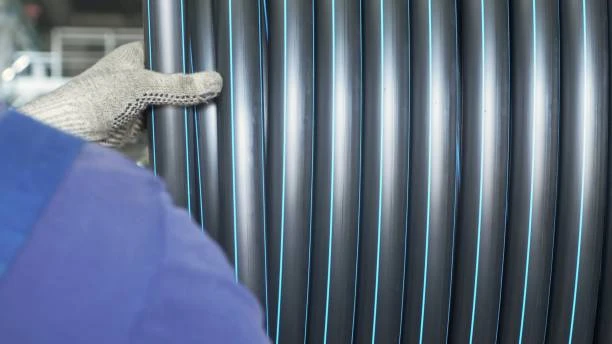
HDPE stands for High-Density Polyethylene, a thermoplastic material known for its excellent mechanical properties. HDPE agriculture pipes are produced using advanced extrusion methods that make them lightweight but strong. They are resistant to corrosion, abrasion, and UV radiation, which ensures long-term performance even in harsh environments. Moreover, these pipes can bend easily, allowing farmers to install them around corners or uneven terrain without special fittings. Another key advantage is that HDPE pipes have smooth inner surfaces, reducing friction and ensuring higher water flow efficiency. Compared to traditional pipes, they also prevent sediment buildup, keeping the irrigation system clean and functional for longer periods.
Common Uses and Application Industries
HDPE agriculture pipes are mainly used in irrigation systems, including drip irrigation, sprinkler systems, and flood irrigation networks. They are widely adopted in crop farms, greenhouses, orchards, and plantations. Farmers use them to transport clean or recycled water efficiently to the fields. Besides agriculture, HDPE pipes are also common in aquaculture, livestock watering systems, and drainage setups. Their adaptability makes them ideal for both small family farms and large-scale agricultural projects. In areas where water supply is inconsistent, HDPE pipes ensure steady water distribution, helping crops grow evenly and improving yield quality.
Buying Guide – What to Look For
When selecting an HDPE agriculture pipe, material quality should always come first. Ensure the product is made from certified high-density polyethylene that complies with international standards. The pipe color usually indicates UV resistance — black or black with blue stripes are preferable for outdoor use. Check for quality marks or certifications from recognized authorities, as these ensure durability and safety. Another factor to consider is wall thickness, which determines pressure resistance. For farms with high-pressure pumps, thicker pipes are better. Finally, consider the supplier’s reputation. A reliable distributor like Wellworth Merchants Ltd offers both product quality and after-sales support, which can save time and reduce maintenance issues in the long run.
Installation Tips and Best Practices
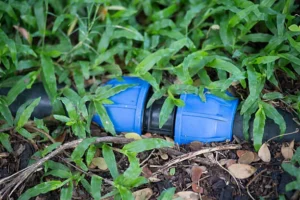
Installing HDPE agriculture pipes is straightforward but requires attention to detail. Before starting, measure the field area and plan the layout to minimize unnecessary bends. Clean the pipe ends before connection to ensure a tight seal. Use compression fittings or fusion welding for strong joints that prevent leaks. During installation, avoid dragging the pipe across sharp objects that may cause scratches or punctures. Also, ensure proper anchoring in areas exposed to strong winds or water pressure. After setup, run water through the system to check for leaks and adjust pressure as needed. Regular inspection, especially before planting and after harvest seasons, will extend the pipe’s lifespan and ensure efficient water flow.
HDPE Agriculture Pipe vs Other Materials
| Feature | HDPE Agriculture Pipe | PVC Pipe | Metal Pipe |
|---|---|---|---|
| Flexibility | High | Low | Very low |
| Corrosion Resistance | Excellent | Moderate | Poor |
| Weight | Very light | Light | Heavy |
| Lifespan | 40–It depends on the actual situation. | 20–25 years | 10–15 years |
| Installation Ease | Simple | Moderate | Difficult |
| UV Resistance | Excellent | Average | Poor |
| Cost Over Time | Low | Moderate | High |
From the comparison, it is clear that HDPE agriculture pipes outperform traditional materials in almost every aspect. Their flexibility, resistance, and cost-effectiveness make them the top choice for long-term agricultural infrastructure.
Conclusion
HDPE agriculture pipe represents a modern, efficient, and sustainable solution for irrigation systems in both small and large farms. Its combination of flexibility, strength, and chemical resistance ensures reliable water delivery with minimal maintenance. Farmers who use HDPE pipes notice improved crop yields, reduced water waste, and easier field management. As agriculture moves toward more sustainable practices, using durable and efficient materials becomes essential. For those looking for trusted products, Wellworth Merchants Ltd at 2-4 Tudor Road, Hackney, London E9 7SN, United Kingdom, offers a comprehensive selection of HDPE agriculture pipes and fittings that guarantee long-term value. Investing in HDPE pipes means investing in better harvests and a more efficient farming future.
IFAN’s international standards
IFAN products comply with a wide range of international standards to ensure safety, reliability, and high performance. These standards include ASTM 2846, DIN 8079/8080, ASTM F441/F441M SCH80, GB/T 18993 series, AS/NZS 1477, CSA B137.6, NSF/ANSI 14, and TIS 17-2532/1131-2535. By adhering to these recognized standards, IFAN guarantees that all pipelines and fittings meet global quality requirements and perform consistently under diverse conditions.
Contact
IFAN is a professional manufacturer with 30 years of experience, dedicated to producing high-quality plastic pipes, fittings, and valves. Our products include brass valves, PPR valves, as well as various pipes and fittings to meet different customer needs. Whether you need plumbing and drainage pipes or valve products. IFAN can provide a diverse range of high-quality, cost-effective products to support your projects. Below is our contact information.
We will reply your email or fax within 24 hours.
You can call us at any time if there is any question on our production.
Pls Mailto:[email protected]







Recent Comments