
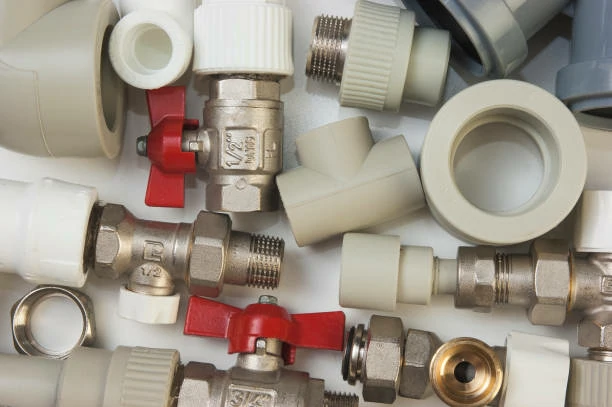
Introduction to PPR Stop Cock Valve
A PPR stop cock valve is essential in a plumbing system. It allows a homeowner or plumber to control water flow through pipes. They work by turning a handle or knob to either stop or allow the flow of water. PPR stop cock valves are made from polypropylene random copolymer (PPR), known for its resistance to corrosion, heat, and pressure. These features make the valves durable and reliable for both residential and commercial plumbing applications. Installing them properly ensures an efficient and leak-free plumbing system.
Tools and Materials Needed for Installation
Before starting the installation, gather all the necessary tools and materials. You will need a PPR stop cock valve, a pipe cutter, a wrench, PPR pipe fittings, a measuring tape, and a heat tool or PPR welding machine. Additionally, having Teflon tape for sealing threads and a cleaning cloth to wipe the pipes will help ensure a smooth installation. Having these items ready before you begin will make the process more efficient and reduce the risk of mistakes.
Step 1: Turn Off the Water Supply
The first step in installing a PPR stop cock valve is to turn off the water supply to the area. This step is critical to prevent any water from flowing while you work on the pipes. If you’re working on an entire home, locate the main water shutoff valve and turn it off. If you’re only replacing or installing a valve on a specific section of piping, turn off the water for that section. This ensures that water won’t cause flooding or leaks while you make the installation.
Step 2: Measure and Cut the Pipe
Once the water supply is off, measure the section of pipe where you intend to install the stop cock valve. Use a measuring tape to ensure the valve fits correctly in the space. After measuring, use a pipe cutter to cut the pipe. Make sure the cut is clean and straight to ensure a proper fit for the valve and fittings. Deburr the pipe edges with a deburring tool or file to remove any sharp edges that could cause leaks or difficulty during installation.
Step 3: Prepare the Pipe and Fittings
Next, clean the cut ends of the pipe and the fittings. This ensures that no dirt, debris, or moisture interferes with the welding or sealing process. Use a clean cloth to wipe both the pipe and fittings. For PPR pipe, you will typically need to heat the pipe ends and fittings to ensure a secure connection. Use a heat tool or PPR welding machine to heat the pipe and fitting to the correct temperature, usually between 260°C and 270°C. Follow the manufacturer’s instructions to avoid overheating.
Step 4: Install the PPR Stop Cock Valve
Once the pipe and fittings are properly heated, it’s time to install the PPR stop cock valve. Slide the heated end of the pipe into the fitting on the valve, ensuring the connection is tight. Hold the valve and pipe in place for a few seconds to allow the heat-welded joint to cool and set. Make sure the valve is oriented correctly, with the handle in a convenient position for operation. The proper alignment ensures ease of use and prevents leaks.
Step 5: Check the Alignment and Tighten
After the valve is securely in place, check the alignment of the valve and the pipe to ensure they are properly connected. Use a wrench to tighten the fittings slightly, but avoid over-tightening, as this can damage the fittings. Make sure the stop cock valve handle moves freely and does not get obstructed by the pipes. Proper alignment ensures that the valve functions correctly and reduces the chances of leaks or damage.
Step 6: Test the Installation
With the valve installed, turn the water supply back on. Check the valve and surrounding pipes for any leaks. Turn the stop cock valve handle to open and close the valve, ensuring it operates smoothly. Observe the area for a few minutes to ensure there are no leaks. If any leaks occur, turn off the water supply and check the connections to ensure they are tight and properly sealed. Use Teflon tape on threaded connections to help prevent future leaks.
Step 7: Final Adjustments and Clean Up
After testing the installation and confirming there are no leaks, make any final adjustments. If necessary, trim any excess pipe that may be in the way or adjust the position of the valve handle for easier access. Clean the area of any dust or debris left over from the installation process. Ensure all tools are put away and that the work area is safe and tidy. Proper cleanup ensures that the installation is complete and that the system will perform at its best.
Conclusion: Why Proper Installation Matters
Installing a PPR stop cock valve correctly is essential for the efficiency and safety of your plumbing system. A well-installed valve provides reliable flow control and prevents potential leaks or water damage. By following these steps carefully, you can ensure that the valve operates smoothly and lasts for years. Whether you’re replacing an old valve or installing a new one, proper preparation and attention to detail during installation will save you time and money in the long run.
Product Standards
PPR ball valve comply with several international standards to ensure quality and performance. ISO 15874 and EN 15874 establish the requirements for PPR piping systems, including mechanical properties and durability. ASTM F2389 defines the specifications for polypropylene pipes and fittings used in pressurized applications. DIN 8077/8078 sets the dimensional and material requirements for PPR pipes, ensuring compatibility with various valve types. GB/T 18742 outlines the technical parameters for PPR piping systems in China, covering aspects such as pressure resistance and thermal stability. NBR 15884 serves as the Brazilian standard for PPR pipes, guaranteeing compliance with local plumbing regulations. These standards ensure that PPR ball valves deliver reliable performance in residential, commercial, and industrial applications.
Contact
IFAN is a professional manufacturer with 30 years of experience, dedicated to producing high-quality plastic pipes, fittings, and valves. Our products include brass valves, PPR valves, as well as various pipes and fittings to meet different customer needs. Whether you need plumbing and drainage pipes or valve products. IFAN can provide a diverse range of high-quality, cost-effective products to support your projects. Below is our contact information.
We will reply your email or fax within 24 hours.
You can call us at any time if there is any question on our production.
Pls Mailto: [email protected]
Whatsapp: +8619884503412










Recent Comments