
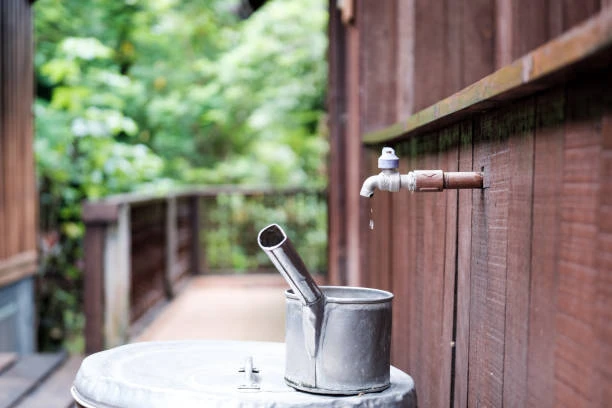
PPR cold water fittings provide a reliable, quick-connect solution for plumbing, but ensuring permanent sealing prevents leaks and maintains system integrity. This guide explores strategies to achieve lasting seals with PPR quick-connect joints, focusing on PPR cold water fittings. You’ll find answers to common questions, a buying guide, installation tips for secure connections, and a comparison of PPR with other materials. By choosing high-quality fittings and following these techniques, you can create a durable, leak-free system. Whether you’re a DIY enthusiast or a professional plumber, this article helps you master permanent sealing for PPR quick-connect joints in cold water systems.
Common Questions About PPR Cold Water Fittings
1. What Are PPR Cold Water Fittings?
PPR cold water fittings are connectors made from polypropylene random copolymer, designed for quick, tool-free pipe connections in cold water systems. They snap or push into place, ensuring a secure, leak-resistant seal.
2. How Do I Ensure a Permanent Seal with PPR Fittings?
Use precise pipe cuts, check O-rings for damage, and push pipes fully into fittings. Proper preparation and secure connections prevent leaks over time.
3. Can PPR Cold Water Fittings Be Used in Hot Water Systems?
While optimized for cold water, they handle temperatures up to 95°C (203°F). For hot water, ensure proper insulation and verify compatibility to maintain sealing.
4. What Causes Leaks in PPR Quick-Connect Joints?
Leaks often result from improper cuts, damaged O-rings, or loose connections. Regular inspections and correct installation techniques prevent these issues.
5. How Long Do PPR Cold Water Fittings Last?
With proper installation and sealing, they last over It depends on the actual situation.. Their corrosion-resistant material ensures durability in cold water applications.
What Is a PPR Piping System?
A PPR piping system uses polypropylene random copolymer, a lightweight and durable thermoplastic, to create pipes and fittings for fluid transport. PPR systems stand out for their corrosion resistance, thermal stability, and ease of installation, making them ideal for cold water plumbing. PPR cold water fittings enable quick, secure connections without welding or glue, perfect for leak-free systems. Their smooth inner surfaces reduce friction, improving water flow and preventing clogs or scaling. PPR is eco-friendly, recyclable, and energy-efficient to produce, offering a sustainable alternative to metal pipes. These qualities make PPR cold water fittings a reliable choice for permanent sealing in plumbing systems.
Common Uses and Industry Applications
PPR cold water fittings are versatile, supporting a range of applications where secure sealing is critical. Here’s where they’re commonly used:
- Residential Plumbing: Homeowners use PPR fittings for cold water supply lines in kitchens, bathrooms, and outdoor taps, ensuring leak-free connections for daily use.
- Commercial Buildings: Offices, hotels, and schools rely on PPR for cold water distribution, with quick-connect fittings simplifying installation and maintenance.
- Agricultural Irrigation: Farmers use PPR fittings for cold water irrigation systems, where permanent seals prevent water loss in extensive networks.
- Industrial Facilities: Factories use PPR for cold water transport in non-corrosive systems, leveraging fittings’ durability for secure, long-lasting connections.
- Municipal Water Systems: Cities use PPR fittings for cold water mains, ensuring reliable seals in public infrastructure with minimal maintenance.
Their reliability and ease of use make PPR cold water fittings a top choice for leak-resistant plumbing.
Buying Guide for PPR Cold Water Fittings
Choosing high-quality PPR cold water fittings ensures permanent sealing and system reliability. Consider these factors:
- Material Quality: Select fittings made from virgin polypropylene for corrosion resistance and durability. Low-grade materials may compromise sealing over time.
- Color Consistency: PPR fittings come in green, white, or gray. While color doesn’t affect performance, green or white is common for cold water systems, aiding identification.
- Size Compatibility: Match the fitting’s diameter to your pipes (e.g., 20mm, 25mm, or 32mm). Proper sizing is crucial for a tight, permanent seal.
- Certifications: Look for fittings meeting standards like ISO 15874 or DIN 8077/8078. These certifications ensure quality and reliability for cold water applications.
- Brand Reliability: Choose trusted brands like IFAN, with 30 years of experience in producing PPR fittings. Reputable manufacturers deliver leak-resistant products.
Buying from reliable suppliers prevents issues with counterfeit fittings that could lead to sealing failures.
Installation Tips for Permanent Sealing
To achieve permanent sealing with PPR cold water fittings, follow these installation strategies:
- Cut Pipes Precisely: Use a sharp pipe cutter for clean, straight cuts and smooth edges with a deburring tool. Burr-free cuts ensure a tight seal, preventing leaks in quick-connect joints.
- Inspect O-Rings: Check the fitting’s O-ring for damage or debris before installation. Replace faulty O-rings to maintain a secure, permanent seal.
- Push Firmly for Secure Connections: Insert pipes fully into fittings until they click or lock. A firm connection prevents water seepage, ensuring long-term sealing.
- Use Pipe Supports: Install clamps or brackets every 1–1.5 meters to stabilize pipes. This reduces stress on fittings, maintaining seal integrity in cold water systems.
- Test for Leaks: After installation, run water through the system at operating pressure to check for leaks. Use a pressure gauge to confirm the seal holds under normal conditions.
These tips, paired with the manufacturer’s guidelines, ensure PPR cold water fittings deliver permanent, leak-free seals.
PPR vs. Other Piping Materials
To understand why PPR cold water fittings excel in permanent sealing, here’s a comparison with other piping materials:
| Feature | PPR | Copper | PVC | CPVC |
|---|---|---|---|---|
| Corrosion Resistance | Excellent; no rust | Prone to corrosion | Good; no rust | Good; no rust |
| Temperature Tolerance | Up to 95°C | Up to 200°C | Up to 60°C | Up to 82°C |
| Sealing Reliability | Excellent (quick-connect) | Moderate (soldered) | Moderate (glued) | Moderate (glued) |
| Durability | 50+ years | 50+ years | 25–40 years | 25–40 years |
| Cost | Affordable | Expensive | Very affordable | Affordable |
| Eco-Friendliness | Recyclable, low energy | Recyclable, high energy | Non-recyclable | Limited recyclability |
| Weight | Lightweight | Heavy | Lightweight | Lightweight |
PPR’s quick-connect design ensures superior sealing compared to copper’s soldered joints or PVC/CPVC’s glued connections, which can weaken over time. PPR matches copper’s durability while being more affordable and eco-friendly, making it ideal for cold water systems.
Conclusion
PPR cold water fittings offer a reliable, quick-connect solution for plumbing, with proper installation ensuring permanent sealing for leak-free systems. By cutting pipes precisely, inspecting O-rings, and supporting pipes adequately, you can achieve lasting connections. Their versatility spans residential, commercial, and agricultural applications, making them a top choice for cold water plumbing. Compared to copper, PVC, or CPVC, PPR provides unmatched sealing reliability, affordability, and sustainability. For your next cold water project, trust PPR cold water fittings and these strategies to deliver durable, leak-free performance.
Contact
IFAN is a professional manufacturer with 30 years of experience, dedicated to producing high-quality plastic pipes, fittings, and valves. Our products include brass valves, PPR valves, as well as various pipes and fittings to meet different customer needs. Whether you need plumbing and drainage pipes or valve products. IFAN can provide a diverse range of high-quality, cost-effective products to support your projects. Below is our contact information.
We will reply your email or fax within 24 hours.
You can call us at any time if there is any question on our production.
Pls Mailto:[email protected]








Recent Comments