
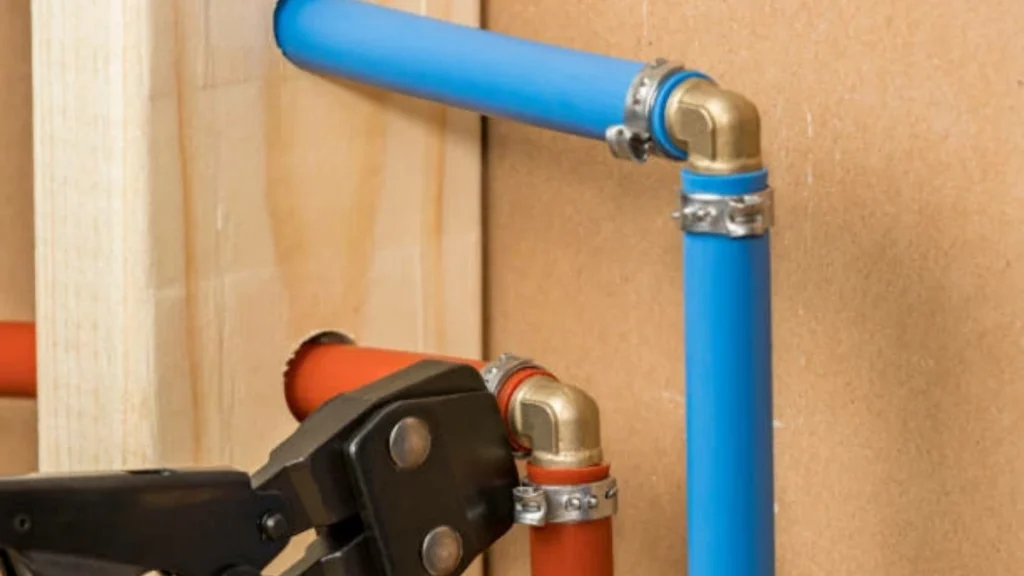
1. Introduction: A Quick Overview
Choosing the right PEX pipe fittings plays a vital role in the success of any plumbing project. PEX pipe fittings connect and secure PEX tubing, allowing water to flow smoothly and safely through your system. With various types, materials, and installation methods available, selecting the perfect fittings can feel overwhelming. This comprehensive guide breaks down the essentials of PEX pipe fittings, common uses, buying tips, installation advice, and how they compare with other pipe materials, helping you make confident and informed decisions.
2. Frequently Asked Questions (FAQ)
1. What are PEX pipe fittings?
PEX pipe fittings are connectors designed to join PEX pipes or link them with other plumbing materials, ensuring leak-free water flow.
2. What types of PEX fittings are available?
Common types include crimp fittings, clamp (cinch) fittings, push-to-connect fittings, and expansion fittings.
3. Can I use PEX fittings with all types of PEX tubing?
Most fittings work with PEX-B and PEX-C tubing, but expansion fittings specifically fit PEX-A tubing.
4. Are PEX fittings safe for potable water?
Yes, certified PEX fittings comply with safety standards for drinking water applications.
5. Do I need special tools to install PEX fittings?
Depending on the fitting type, you might need crimpers, cinch tools, or expansion tools, while push-to-connect fittings require no special tools.
3. What Are PEX Pipe Fittings? Definition and Key Characteristics
PEX pipe fittings are essential components in PEX plumbing systems. They connect pipe sections, change direction, branch off lines, or transition between pipe materials. Usually made from brass, plastic, or copper, these fittings must be durable, corrosion-resistant, and compatible with PEX tubing types.
Key characteristics of quality PEX fittings include:
- Strong, leak-proof connections
- Corrosion and chemical resistance
- Compatibility with PEX tubing types
- Ease of installation with appropriate tools
- Compliance with plumbing codes and standards
These attributes ensure reliable performance and long-lasting plumbing systems.
4. Common Uses and Industries for PEX Pipe Fittings
PEX pipe fittings are versatile and used widely in:
- Residential plumbing: Hot and cold water distribution in kitchens, bathrooms, and laundry rooms.
- Commercial buildings: Hotels, offices, and healthcare facilities often use PEX for water supply and heating.
- Radiant floor heating systems: Fittings connect tubing that delivers warm water under floors for heating.
- Snow melting systems: Embedded PEX tubing in outdoor areas is connected by fittings to provide safe, snow-free surfaces.
- Hydronic heating: Baseboard and radiator heating systems use PEX with fittings to circulate heated water efficiently.
Across these sectors, PEX fittings enable fast installation, flexible system design, and robust plumbing networks.
5. Buying Guide: How to Choose the Right PEX Pipe Fittings
When selecting PEX pipe fittings, consider the following:
Material
- Brass fittings offer excellent durability and corrosion resistance, ideal for most plumbing applications.
- Plastic fittings are lightweight and cost-effective but better suited for low-pressure or non-critical systems.
- Copper fittings are less common but used in specific applications requiring metal connections.
Compatibility
- Verify the fittings match your PEX tubing type (PEX-A, PEX-B, or PEX-C).
- Expansion fittings work exclusively with PEX-A tubing, while crimp and clamp fittings suit PEX-B and PEX-C.
Fitting Type
- Choose between crimp, clamp, expansion, or push-to-connect fittings based on your tools, skills, and project requirements.
Color Coding
- Some fittings or rings come color-coded to distinguish hot water lines (usually red) from cold water (blue), aiding installation and maintenance.
Certifications and Standards
- Confirm fittings meet relevant standards such as ASTM, NSF, CSA, or IFAN to ensure quality and safety compliance.
6. Installation Tips for PEX Pipe Fittings
Proper installation enhances system reliability. Keep these points in mind:
- Use the correct tools: Crimpers for crimp fittings, cinch tools for clamps, expansion tools for expansion fittings.
- Cut pipes squarely: Clean, straight cuts ensure tight seals.
- Deburr pipe ends: Remove rough edges to prevent leaks or damage.
- Follow manufacturer instructions: Each fitting system has specific steps and torque requirements.
- Check connections: Use go/no-go gauges where applicable to confirm proper fitting compression.
- Pressure test the system: Test before wall closures or flooring installation to identify leaks early.
Taking your time during installation reduces costly repairs and prolongs system life.
7. PEX Pipe Fittings vs. Other Pipe Materials: A Comparison
| Feature | PEX Pipe Fittings | Copper Fittings | PVC/CPVC Fittings |
|---|---|---|---|
| Flexibility | High (with PEX tubing) | Low | Low |
| Installation Ease | Moderate to Easy | Moderate | Moderate |
| Corrosion Resistance | Excellent | Moderate | Excellent |
| Freeze Resistance | Excellent (PEX system) | Poor | Poor |
| Cost | Generally Lower | Higher | Lower |
| Tool Requirement | Specialized tools | Soldering equipment | Solvent cement |
| Noise Reduction | High | Low | Medium |
This table highlights why PEX fittings, combined with PEX tubing, offer a balance of flexibility, durability, and cost-effectiveness compared to traditional materials.
8. Conclusion
In summary, choosing the right PEX pipe fittings depends on understanding your tubing type, project needs, and installation capabilities. Whether you opt for crimp, clamp, expansion, or push-to-connect fittings, focusing on material quality, compatibility, and certified standards will result in a dependable, long-lasting plumbing system.
IFAN Standard
Our PEX plumbing products strictly comply with major international standards, ensuring safety, durability, and performance. These include ISO 15875, GB/T 18992, DIN 16892, ASTM F877, ASTM F2788, BS 7291, BS EN ISO 15875, and CSA B137. Each of these certifications validates the material quality, thermal resistance, and pressure capacity required for high-performance plumbing systems across residential, commercial, and industrial applications.
Contact
IFAN is a professional manufacturer with 30 years of experience, dedicated to producing high-quality plastic pipes, fittings, and valves. Our products include brass valves, PPR valves, as well as various pipes and fittings to meet different customer needs. Whether you need plumbing and drainage pipes or valve products. IFAN can provide a diverse range of high-quality, cost-effective products to support your projects. Below is our contact information.
We will reply your email or fax within 24 hours.
You can call us at any time if there is any question on our production.
Pls Mailto:[email protected]







Recent Comments