
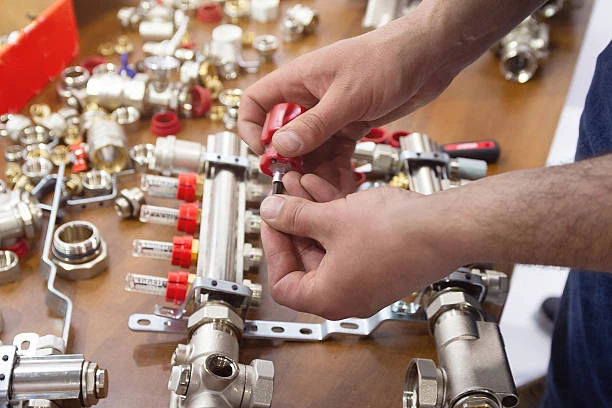
PEX floor heating systems excel not only in comfort but also in their remarkable ability to withstand high temperatures, making them a reliable and durable solution for radiant heating. This article explores the high-temperature resistance of cross-linked polyethylene (PEX) tubing, a critical factor that ensures system longevity, safety, and efficiency. We will delve into the material science behind PEX’s performance, its operational limits, and the industries that benefit most from its robust properties. Additionally, we address frequently asked questions to clarify misconceptions and provide practical insights. Understanding how PEX tubing handles elevated temperatures helps homeowners, engineers, and architects make informed decisions for both residential and commercial applications.
Basic Definition and Key Characteristics
PEX tubing is a flexible, durable polymer material specifically engineered for high-performance plumbing and heating systems. Its “cross-linked” molecular structure enhances its thermal and mechanical properties, allowing it to handle continuous exposure to hot water without degrading. For radiant floor heating, PEX tubes circulate water heated to temperatures typically between 100°F and 140°F (38°C to 60°C), though they can withstand short-term exposure to much higher temperatures.
The key to PEX’s high-temperature resilience lies in its material composition. PEX-a, PEX-b, and PEX-c variants all exhibit strong resistance to heat, but PEX-a often leads with superior flexibility and stress tolerance under thermal cycles. Importantly, PEX tubing maintains structural integrity even when exposed to temperatures near boiling point, though sustained operation at such extremes is not recommended. Additionally, PEX resists scale buildup and corrosion, which can compromise performance in metal pipes under high heat. These characteristics ensure consistent heat delivery and long-term reliability, even under demanding conditions.
Common Uses and Application Industries
The high-temperature tolerance of PEX floor heating makes it suitable for a wide range of applications. In residential settings, it efficiently integrates with high-output heat sources like gas boilers or solar thermal systems, providing consistent warmth for entire homes or specific zones such as bathrooms and kitchens. Its ability to handle elevated temperatures ensures compatibility with various heat generators, including those designed for older radiator systems that require higher water temperatures.
Commercial and industrial sectors benefit significantly from this robustness. In large-scale spaces such as warehouses, factories, and airports, PEX systems often connect to central boilers that operate at higher temperatures to meet substantial heating demands. The agricultural industry uses high-temperature PEX systems for soil warming in greenhouses or frost protection in barns. Moreover, in snow-melting applications for driveways, ramps, and sidewalks, PEX tubing reliably circulates water at temperatures high enough to quickly melt ice and snow. This versatility across environments underscores its value as a dependable heating solution.
Frequently Asked Questions (FAQ)
1. What is the maximum temperature PEX tubing can handle?
Most PEX tubing brands can withstand short-term exposure to temperatures up to 200°F (93°C) without failing. For continuous operation, the maximum recommended temperature is typically around 180°F (82°C). However, radiant floor heating systems rarely need to exceed 140°F (60°C) for effective performance, keeping well within safe limits.
2. Does high-temperature exposure shorten the lifespan of PEX tubing?
Prolonged exposure to temperatures near the upper limit can reduce the material’s lifespan over decades. However, when used within standard operating parameters for radiant heating (100°F–140°F), PEX tubing easily lasts It depends on the actual situation. or more. Proper system design, including pressure and temperature regulation, ensures longevity.
3. Can PEX floor heating work with solar thermal systems?
Yes, PEX is an excellent match for solar thermal systems, which can generate very high water temperatures. PEX tubing efficiently transports this heat while resisting degradation. Using a heat exchanger or mixing valve to moderate temperature spikes can further protect the system and optimize performance.
4. How does PEX compare to metal pipes in high-temperature applications?
Unlike copper or steel, PEX does not corrode or scale under high heat, maintaining smoother inner walls for better flow and efficiency. While metal pipes may have higher peak temperature tolerances, PEX offers superior flexibility, easier installation, and resistance to chemical damage, making it a practical choice for most modern heating systems.
5. Is there a risk of PEX tubing leaking or bursting under high heat?
When installed correctly and operated within recommended guidelines, the risk is minimal. PEX tubing expands and contracts with temperature changes, reducing stress on the system. Manufacturers subject PEX to rigorous testing for thermal durability, ensuring it can handle typical heating cycles without failure.
Conclusion
In summary, the high-temperature resistance of PEX tubing is a cornerstone of its reliability and efficiency in radiant floor heating systems. Its cross-linked structure provides the durability needed to handle demanding thermal conditions while maintaining safety and performance across diverse applications. From residential homes to industrial facilities, PEX proves adaptable to various heat sources and operational requirements. By understanding its capabilities and limits, users can confidently design and operate systems that deliver comfort, energy savings, and long-term value. As heating technology evolves, PEX continues to stand out as a resilient and future-proof solution for modern radiant heating needs.
IFAN’s international standards
IFAN products comply with multiple international standards, including BS 3505, BS 4346, ASTM D1785 SCH40, ASTM D1785 SCH80, DIN, GB, DWV, ASTM D2665, ASTM D2241, ASTM D2729, ASTM F441/F441M, ISO 1452 Series standards, EN ISO 1452, DIN 8061/8062, GB/T 10002 Series standards, AS/NZS 1477, JIS K6741, CSA B137.3, NSF/ANSI 14, TIS 17-2532/1131-2535, among others. These certifications ensure that IFAN piping systems meet global requirements for safety, durability, and performance.
Contact
IFAN is a professional manufacturer with 30 years of experience, dedicated to producing high-quality plastic pipes, fittings, and valves. Our products include brass valves, PPR valves, as well as various pipes and fittings to meet different customer needs. Whether you need plumbing and drainage pipes or valve products. IFAN can provide a diverse range of high-quality, cost-effective products to support your projects. Below is our contact information.
We will reply your email or fax within 24 hours.
You can call us at any time if there is any question on our production.
Pls Mailto:[email protected]








Recent Comments