
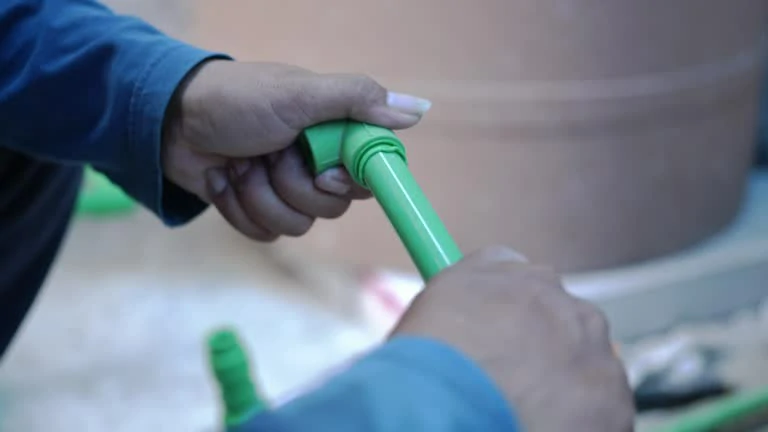
Flange adapters for PPR pipes play a crucial role in modern plumbing systems by ensuring secure connections and enhancing overall system efficiency.These adapters connect PPR pipes to other piping systems or equipment, ensuring secure and leak-proof connections in various applications. PPR pipes, known for their durability, heat resistance, and corrosion-free properties, require reliable adapters for optimal performance. Flange adapters meet this need by providing a robust and versatile solution that enhances system efficiency and longevity. This guide explores their types, benefits, installation, and applications, offering valuable insights for professionals and DIY enthusiasts alike. Whether for residential, commercial, or industrial use, flange adapters are indispensable components in modern piping systems.
Types of Flange Adapters for PPR Pipes
Flange adapters come in different types to suit specific needs. Common types include slip-on, threaded, and weld-neck flange adapters. Slip-on flange adapters slide over the pipe end and weld into place. Threaded flange adapters screw onto the pipe, ideal for low-pressure systems. Weld-neck flange adapters offer high strength and durability for high-pressure applications. Each type serves unique purposes in plumbing and industrial systems. For example, slip-on adapters work well in water supply systems. Threaded adapters suit small-scale residential plumbing. Weld-neck adapters excel in industrial settings with high stress.
Benefits of Using Flange Adapters
Flange adapters provide numerous advantages in PPR pipe systems. They ensure easy and secure connections between pipes and equipment. These adapters enhance system flexibility, allowing modifications and expansions. They also simplify maintenance by enabling quick disassembly and reassembly. Flange adapters resist corrosion, ensuring long-term reliability in harsh environments. Their leak-proof design minimizes water or fluid loss, improving efficiency. For instance, in heating systems, flange adapters maintain consistent performance under high temperatures. Their versatility makes them suitable for residential, commercial, and industrial applications.
Installation Process for Flange Adapters
Installing flange adapters requires careful preparation and execution. First, measure and cut the PPR pipe to the required length. Ensure the pipe end is clean and free from debris. Slide the flange adapter onto the pipe and align it properly. For slip-on adapters, weld the adapter to the pipe securely. For threaded adapters, use thread sealant to prevent leaks. Tighten the bolts evenly to ensure a balanced connection. Always follow manufacturer guidelines for specific installation steps. Proper installation guarantees a durable and leak-free connection. For example, in a water treatment plant, precise installation ensures uninterrupted operation.
Applications of Flange Adapters in PPR Systems
Flange adapters find use in a wide range of applications. They connect PPR pipes to pumps, valves, and tanks in plumbing systems. In heating systems, they link pipes to boilers and radiators. Industrial applications include chemical processing and wastewater treatment plants. Flange adapters also serve in irrigation systems for agricultural purposes. Their ability to handle high pressure and temperature makes them ideal for diverse environments. For instance, in a chemical plant, they ensure safe and efficient fluid transfer. Their adaptability makes them indispensable in modern infrastructure projects.
Choosing the Right Flange Adapter
Selecting the appropriate flange adapter ensures optimal system performance. Consider factors like pipe size, pressure rating, and material compatibility. Match the adapter type to the specific application requirements. For high-pressure systems, choose weld-neck adapters for added strength. For low-pressure residential systems, threaded adapters suffice. Always verify the adapter’s certifications and standards compliance. Consult with professionals for complex or large-scale projects. For example, in a commercial building, the right adapter ensures efficient water distribution. Proper selection minimizes risks and enhances system longevity.
In conclusion, flange adapters for PPR pipes offer reliable and versatile solutions for various applications. Understanding their types, benefits, installation, and uses helps in making informed decisions. Proper selection and installation ensure efficient and durable plumbing systems. Whether for residential, commercial, or industrial use, flange adapters play a vital role in modern infrastructure.
Product Standards
PPR ball valves comply with several international standards to ensure quality and performance. ISO 15874 and EN 15874 establish the requirements for PPR piping systems, including mechanical properties and durability. ASTM F2389 defines the specifications for polypropylene pipes and fittings used in pressurized applications. DIN 8077/8078 sets the dimensional and material requirements for PPR pipes, ensuring compatibility with various valve types. GB/T 18742 outlines the technical parameters for PPR piping systems in China, covering aspects such as pressure resistance and thermal stability. NBR 15884 serves as the Brazilian standard for PPR pipes, guaranteeing compliance with local plumbing regulations. These standards ensure that PPR ball valves deliver reliable performance in residential, commercial, and industrial applications.
Contact
IFAN is a professional manufacturer with 30 years of experience, dedicated to producing high-quality plastic pipes, fittings, and valves. Our products include brass valves, PPR valves, as well as various pipes and fittings to meet different customer needs. Whether you need plumbing and drainage pipes or valve products. IFAN can provide a diverse range of high-quality, cost-effective products to support your projects. Below is our contact information.
We will reply your email or fax within 24 hours.
You can call us at any time if there is any question on our production.
Pls Mailto: [email protected]
Whatsapp: +8619884503412











Recent Comments