
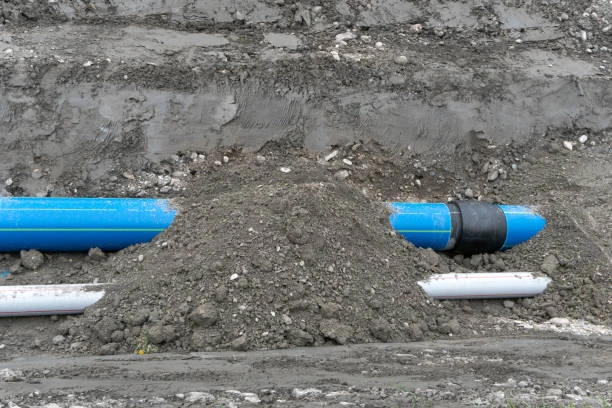
In the dynamic world of construction and plumbing, PPR (Polypropylene Random Copolymer) pipes have emerged as a game-changer due to their versatility, durability, and cost-effectiveness. Understanding the nuances of PPR pipe prices presents a myriad of opportunities for businesses, consumers, and industry stakeholders alike. This article delves into these prospects, highlighting how strategic insights into pricing can lead to significant advantages and growth.
Market Demand and Supply Dynamics
The demand for PPR pipes is driven by their application in residential, commercial, and industrial sectors. As urbanization accelerates and infrastructure projects proliferate, the demand for reliable, cost-efficient piping solutions spikes. Supply-side dynamics, influenced by raw material costs, production capacities, and regional availability, directly impact pricing. Identifying trends in these dynamics offers opportunities for businesses to forecast market movements, adjust inventories, and capitalize on price fluctuations.
Quality and Brand Premiums
PPR pipes vary widely in quality, with premium brands offering superior durability, resistance to high temperatures, and pressure ratings. Consumers willing to pay a higher price for assured quality create a niche market for top-tier products. Manufacturers can leverage this by investing in research and development to enhance product features, thus commanding a price premium. This strategy not only boosts profits but also fosters brand loyalty and reputation.
Regional PPR Pipe Prices Disparities
PPR pipe prices exhibit significant regional variations due to factors like transportation costs, local taxes, and competition levels. Businesses can exploit these disparities by sourcing materials from low-cost regions or targeting high-demand, high-price markets. International trade agreements and logistics advancements further facilitate this arbitrage, presenting opportunities for expanded market reach and increased profitability.
Innovations and Cost Efficiencies
Technological advancements in manufacturing processes, such as automation and material science improvements, contribute to cost reductions and efficiency gains. Innovations like thinner wall thicknesses maintaining equivalent strength or enhanced corrosion resistance enable manufacturers to offer competitive pricing while maintaining or enhancing product quality. Keeping abreast of these developments is crucial for staying competitive and capturing market share.
Sustainable Practices and Eco-Friendly Trends
The global shift towards sustainability has increased the demand for eco-friendly PPR pipes, often made from recycled materials or designed for easy recycling. Although these pipes may initially cost more to produce, they attract eco-conscious consumers and governments offering subsidies or incentives. This presents an opportunity for businesses to differentiate themselves through sustainable practices, potentially offsetting higher production costs with increased demand and government support.
Government Policies and Regulations
Government policies, including building codes, water safety regulations, and trade tariffs, can significantly influence PPR pipe pricing. Staying informed about these policies allows businesses to anticipate changes and adapt strategies accordingly. For instance, favorable tax incentives or subsidies for using locally produced materials can reduce costs, while stringent quality standards may necessitate investments in better manufacturing processes, potentially raising prices but enhancing market credibility.
Strategic Partnerships and Supply Chain Optimization
Collaborating with suppliers, distributors, and even competitors through strategic partnerships can lead to cost savings and improved logistics. Joint procurement, shared distribution networks, and co-marketing initiatives can streamline operations, reduce overheads, and stabilize pricing. This approach fosters a collaborative ecosystem where all stakeholders benefit from increased efficiency and market penetration.
Customer Insights and Segmentation
Understanding customer needs, preferences, and budget constraints enables businesses to tailor their offerings and pricing strategies effectively. Segmenting the market based on end-use applications, customer segments (e.g., residential vs. industrial), and price sensitivity allows for more targeted marketing and pricing decisions. By offering a range of products at different price points, businesses can cater to a broader audience, enhancing market share and overall revenue.
In conclusion, the realm of PPR pipe pricing is a rich tapestry of opportunities waiting to be explored. By analyzing market dynamics, embracing innovation, staying agile in the face of regulatory changes, and fostering strategic partnerships, businesses can not only navigate pricing fluctuations but also capitalize on them to drive growth and profitability. The key lies in proactive, informed decision-making that aligns with evolving market trends and customer demands.
Best PPR pipe fitting supplier
| Brand | Establishment Date | Company Address |
| IFAN | 1993 | Zhejiang,China |
| chuangrong | 1998 | Shangdong,China |
| kangyu | 2000 | Taizhou,China |
| SAM-UK | 2006 | Chengdu,China |
| DONSEN | 2006 | Zhejiang,China |
| RAK | 1963 | United Arab Emirates |
IFAN brand stands out in the market by offering PPR products that adhere to a wide array of international standards. These products meet the rigorous requirements of ISO 15874 series standards, ensuring quality and reliability. They also align with EN 15874 series standards, which testifies to their compliance with European norms. Additionally, IFAN PPR products conform to ASTM F2389, providing assurance of their compatibility with American standards. The adherence to DIN 8077/8078 guarantees their suitability for German specifications, while compliance with GB/T 18742 series standards reflects their alignment with Chinese regulations. Furthermore, IFAN meets the NBR 15884 standard, showcasing their commitment to Brazilian market requirements. This comprehensive compliance underscores IFAN’s dedication to producing versatile and globally accepted PPR solutions.
Contact
IFAN is a professional manufacturer with 30 years of experience, dedicated to producing high-quality plastic pipes, fittings, and valves. Our products include brass valves, PPR valves, as well as various pipes and fittings to meet different customer needs. Whether you need plumbing and drainage pipes or valve products. IFAN can provide a diverse range of high-quality, cost-effective products to support your projects. Below is our contact information.
We will reply your email or fax within 24 hours.
You can call us at any time if there is any question on our production.
Pls Mailto: [email protected]
Whatsapp: + 86 19857948982








Recent Comments