

The Vital Role of PPR Fittings in Plumbing Systems
Polypropylene Random Copolymer (PPR) fittings play a crucial role in modern plumbing systems, providing the necessary connections and functionality for efficient water and fluid distribution. These fittings are indispensable in residential, commercial, and industrial applications due to their high performance, durability, and resistance to corrosion. Understanding the different types of PPR fittings and their uses helps ensure a successful plumbing installation. This article will explore the most common types of PPR fittings, their applications, and the importance of choosing the right fitting for every project.
Elbow Fittings: Redirecting Fluid Flow with Ease
One of the most common and essential types of PPR fittings is the elbow fitting.These fittings allow plumbers to easily navigate around obstacles, ensuring that pipes follow the optimal route. By providing smooth transitions in the piping system, elbow fittings help maintain efficient fluid flow and minimize pressure loss. Choosing the correct elbow fitting size is vital to achieving the desired fluid dynamics and preventing system inefficiencies.
Tee Fittings: Creating Branches in PPR Systems
Tee fittings are essential for creating branches in a plumbing system, allowing water or other fluids to flow in multiple directions. A tee fitting has three openings: one inlet and two outlets, arranged at a 90-degree angle to each other. This design makes it ideal for situations where one pipe needs to branch off into two separate lines. Whether it’s for connecting multiple appliances, splitting water supply to different areas, or diverting fluids, tee fittings are versatile and essential components in PPR plumbing systems. Proper installation of tee fittings ensures a balanced distribution of fluid across different sections of the system.
Coupling Fittings: Joining Pipes Together for Seamless Flow
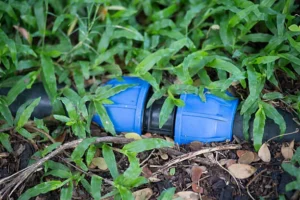
Coupling fittings are used to connect two pieces of pipe, allowing for a seamless flow of fluid between them. These fittings are often used in situations where pipe lengths need to be extended or repaired. Couplings come in different sizes to accommodate various pipe diameters, ensuring a secure and leak-proof connection. A reliable coupling fitting prevents pressure drops and potential leaks by maintaining a tight seal. Whether used in new installations or as part of a repair, coupling fittings are fundamental in ensuring the integrity of the PPR piping system.
Reducer Fittings: Adapting to Different Pipe Sizes
Reducer fittings are designed to connect two pipes of different diameters, allowing for a smooth transition between varying pipe sizes. These fittings help adapt the plumbing system to different flow requirements or accommodate existing infrastructure.
Union Fittings: Enabling Easy Disconnection and Maintenance
Union fittings are another important type of PPR fitting that allows for easy disconnection of pipes without the need to cut or dismantle the system. A union fitting consists of three parts: two threaded end pieces and a middle nut that can be easily unscrewed. This design makes union fittings ideal for applications where regular maintenance or pipe replacement is required. In addition, using union fittings reduces installation time and simplifies repairs, making them a valuable addition to any PPR system.
Closing Off Open Ends in PPR Systems
Cap and plug fittings serve the purpose of closing off open ends of pipes.Both fittings come in various sizes to match the pipe dimensions and ensure a secure seal. Cap and plug fittings play a critical role in maintaining the cleanliness and integrity of the plumbing system, especially in construction sites or systems that are not yet fully operational.
Connecting PPR to Other Materials
Transition fittings allow PPR pipes to connect with other materials, such as copper, steel, or PVC. Transition fittings come with different threading options and sealing methods to ensure compatibility and prevent leaks between different pipe materials. Properly installed transition fittings help maintain the integrity of the plumbing system by providing smooth and reliable connections between PPR pipes and pipes made from other materials.
Conclusion: The Versatility of PPR Fittings in Plumbing Systems
PPR fittings come in a wide range of shapes, sizes, and types, each serving a specific purpose in modern plumbing systems. From elbows and tees to couplings, reducers, and unions, these fittings provide the versatility and reliability needed to create a functional, efficient, and durable piping system. Selecting the right PPR fitting for each part of the system ensures smooth fluid flow, reduces the risk of leaks, and helps achieve long-lasting results. As PPR continues to be a preferred choice in plumbing, understanding the various types of fittings and their uses will help ensure the success of any installation, maintenance, or repair project.
PPR products meet and exceed global standards, including ISO 15874, EN 15874, ASTM F2389, DIN 8077/8078, GB/T 18742, and NBR 15884. Engineered for durability, performance, and reliability, PPR ensures top-notch quality across a wide range of applications. Choose IFAN for high-performance piping solutions that adhere to the most stringent international standards.
Contact
IFAN is a professional manufacturer with 30 years of experience, dedicated to producing high-quality plastic pipes, fittings, and valves. Our products include brass valves, PPR valves, as well as various pipes and fittings to meet different customer needs. Whether you need plumbing and drainage pipes or valve products. IFAN can provide a diverse range of high-quality, cost-effective products to support your projects. Below is our contact information.
We will reply your email or fax within 24 hours.
You can call us at any time if there is any question on our production.
Pls Mailto: [email protected]
Whatsapp: + 86 19857948982







Recent Comments