
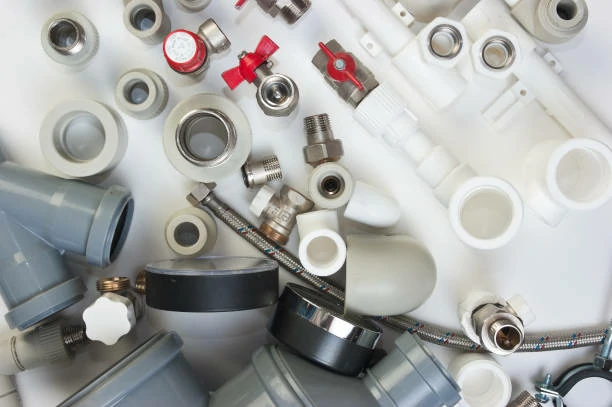
Introduction to PPR Ball Valves
PPR ball valves are essential components in modern residential plumbing systems. These valves offer precise control over water flow, making them ideal for regulating water supply to faucets, showers, and appliances. Made from Polypropylene Random Copolymer (PPR), they provide durability and resistance to corrosion, which makes them perfect for both hot and cold water applications. PPR ball valves have become a popular choice in plumbing due to their long lifespan, cost-effectiveness, and ease of use. This article explores the key benefits of using PPR ball valves in residential plumbing systems.
How PPR Ball Valves Work
PPR ball valves operate through a simple yet efficient mechanism. Inside the valve is a hollow ball with a hole in the center. When the valve is open, the ball rotates to align the hole with the pipe, allowing water to flow. Turning the valve 90 degrees closes the hole, blocking the flow. This straightforward mechanism ensures quick, precise water control with minimal resistance, making PPR ball valves ideal for applications where reliable flow regulation is essential.
Durability and Longevity of PPR Ball Valves
One of the standout benefits of PPR ball valves is their durability. PPR material is highly resistant to corrosion and scaling, which extends the valve’s lifespan. Unlike metal valves, which can rust or degrade over time, PPR valves remain intact and functional for many years. The resistance to both hot and cold water temperatures ensures that the valve can withstand fluctuations in water supply without compromising performance. This durability makes PPR ball valves an excellent long-term investment for residential plumbing systems, reducing the need for frequent repairs or replacements.
Cost-Effectiveness of PPR Ball Valves
PPR ball valves are more affordable than traditional metal valves. The PPR material is cost-effective, making these valves a popular choice for homeowners on a budget. Despite their lower cost, PPR ball valves do not sacrifice performance or reliability. They are just as effective as their metal counterparts in regulating water flow while offering the added benefit of being corrosion-resistant. The lower initial cost and long lifespan make PPR ball valves an economically sound choice for residential plumbing, especially for homeowners seeking a balance of quality and affordability.
Easy Installation and Maintenance
PPR ball valves are easy to install, which makes them a convenient option for plumbers and homeowners alike. The PPR material is lightweight, reducing the effort needed for installation. Typically, these valves are connected to PPR pipes using heat fusion, which creates a secure, leak-proof connection. Once installed, PPR ball valves require minimal maintenance. Since PPR material resists corrosion, these valves do not need frequent cleaning or servicing. Regular inspections and occasional lubrication of the handle are generally sufficient to keep them functioning properly, making them low-maintenance components in any plumbing system.
Versatility in Residential Plumbing Systems
PPR ball valves offer excellent versatility in residential plumbing systems. They are commonly used to control water flow to faucets, showers, dishwashers, washing machines, and more. Their reliable, on/off function makes them ideal for turning water supply on or off in specific areas of the home. PPR ball valves are also used in irrigation systems, where precise water control is necessary. Whether for controlling water in a bathroom or regulating flow to an outdoor sprinkler system, PPR ball valves can handle various applications effectively, making them a versatile choice for all plumbing needs.
Resistance to High Water Pressure and Temperature
PPR ball valves are designed to handle high water pressures and temperature fluctuations, which are common in residential plumbing systems. The PPR material is capable of withstanding temperatures ranging from freezing to extremely hot water without deteriorating. These valves are also built to manage high-pressure water systems, ensuring that the valve remains effective even in high-demand situations. The combination of temperature and pressure resistance ensures that PPR ball valves perform well in various plumbing conditions, from cold water pipes to hot water systems, enhancing their reliability and functionality.
Environmental Benefits of PPR Ball Valves
PPR ball valves offer several environmental advantages. PPR material is recyclable, which helps reduce waste in plumbing systems. Since PPR ball valves last longer and require fewer replacements, they also contribute to sustainability by reducing material consumption over time. Additionally, PPR is free from toxic substances like lead, which can be found in some metal valves. Using PPR ball valves in residential plumbing systems ensures that water remains safe for consumption and does not introduce harmful chemicals into the water supply. Choosing environmentally friendly materials like PPR supports both the home’s plumbing needs and sustainability goals.
Conclusion: Why Choose PPR Ball Valves for Your Plumbing System
In conclusion, PPR ball valves offer numerous benefits that make them an excellent choice for residential plumbing systems. Their durability, cost-effectiveness, easy installation, and low maintenance needs make them ideal for controlling water flow in a variety of plumbing applications. The corrosion resistance, long lifespan, and ability to handle high pressure and temperature conditions ensure that these valves continue to perform reliably over time. PPR ball valves also provide environmental benefits by reducing waste and ensuring safe, clean water. With all these advantages, PPR ball valves are a smart, sustainable choice for any residential plumbing system.
Product Standards
PPR ball valves comply with several international standards to ensure quality and performance. ISO 15874 and EN 15874 establish the requirements for PPR piping systems, including mechanical properties and durability. ASTM F2389 defines the specifications for polypropylene pipes and fittings used in pressurized applications. DIN 8077/8078 sets the dimensional and material requirements for PPR pipes, ensuring compatibility with various valve types. GB/T 18742 outlines the technical parameters for PPR piping systems in China, covering aspects such as pressure resistance and thermal stability. NBR 15884 serves as the Brazilian standard for PPR pipes, guaranteeing compliance with local plumbing regulations. These standards ensure that PPR ball valves deliver reliable performance in residential, commercial, and industrial applications.
Contact
IFAN is a professional manufacturer with 30 years of experience, dedicated to producing high-quality plastic pipes, fittings, and valves. Our products include brass valves, PPR valves, as well as various pipes and fittings to meet different customer needs. Whether you need plumbing and drainage pipes or valve products. IFAN can provide a diverse range of high-quality, cost-effective products to support your projects. Below is our contact information.
We will reply your email or fax within 24 hours.
You can call us at any time if there is any question on our production.
Pls Mailto: [email protected]
Whatsapp: +8619884503412






Recent Comments