
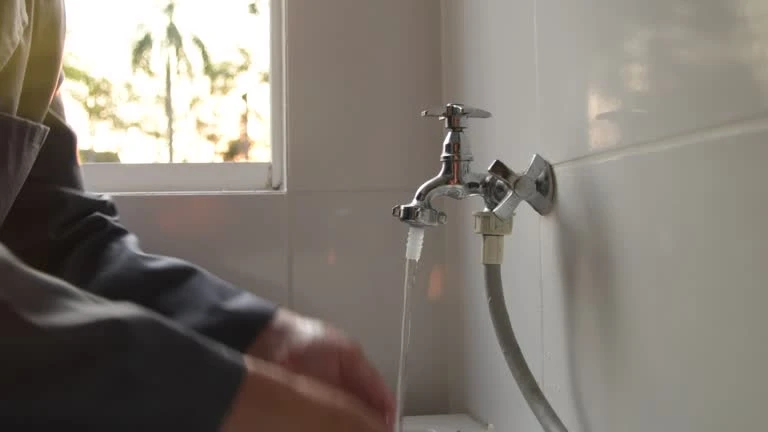
1. Functionality Guides Core Design Elements
Manufacturers design cold water taps with a strong focus on function. They prioritize reliable flow, ease of use, and minimal maintenance. Designers start by defining the most frequent use cases—such as utility sinks, outdoor washing, or public access points. From there, they simplify components to reduce failure points and streamline performance. Brands that emphasize practicality over complexity ensure consistent operation and win customer trust in various settings.
2. Minimalist Aesthetics Match Modern Trends
Design teams embrace clean lines, smooth curves, and uncluttered forms when developing new cold water taps. Homeowners and facility managers often select these products for visible installations, so appearance matters. Matte finishes, slender silhouettes, and symmetrical spouts help taps blend into modern spaces. By avoiding excessive detailing, designers enhance the visual harmony between the tap and its surrounding fixtures. Minimalism also makes cleaning easier, which appeals to both residential and commercial users.
3. Material Choices Support Style and Strength
Engineers select materials that provide both structural integrity and visual appeal. Stainless steel and polished chrome offer a sleek look and excellent resistance to wear. Designers choose brass for its classic feel and long-term reliability. In some settings, thermoplastic or composite materials allow more affordable, lightweight options. Each material influences color, weight, and tactile feel, so product teams align their material strategy with brand positioning and market needs.
4. Ergonomics Enhance Everyday Use
Designers place a high priority on ergonomics to support intuitive operation. They shape handles for comfortable grip, even with wet hands. Many brands use quarter-turn or lever-style handles that simplify water control with minimal effort. In areas with high foot traffic or users with mobility challenges, designers increase handle size and reduce resistance. These features boost user satisfaction and reduce wear, especially in commercial or public environments.
5. Space Optimization Drives Compact Forms
Cold water taps often serve in tight, utility-driven spaces where size matters. Designers create compact models that fit in laundry rooms, under outdoor sinks, or along narrow garden walls. By shortening spouts, reducing body bulk, and using wall-mounted configurations, manufacturers optimize for space-saving. Installers benefit from taps that fit neatly into crowded environments without compromising access or functionality. Compact design opens more opportunities in modular buildings and mobile infrastructure.
6. Smart Compatibility Supports Diverse Installations
Designers incorporate flexible design elements to accommodate a wide range of installation types. They follow standard pipe dimensions and thread sizes to ease installation for both DIY users and professional plumbers. Many brands also offer dual mounting options—wall-mounted or deck-mounted—depending on the layout. Design teams add universal fittings or quick-connect features to simplify integration with existing systems. This flexibility increases market reach across residential, industrial, and institutional sectors.
7. Environmental Awareness Shapes Modern Features
As sustainability gains momentum, designers rethink how cold water taps affect water usage and material waste. They integrate low-flow technology and anti-drip mechanisms to reduce resource consumption. Brands also choose recyclable materials and promote repair-friendly construction to extend product life. Design teams align product aesthetics and messaging with eco-conscious values, creating an emotional connection with environmentally aware consumers. This forward-thinking approach strengthens a brand’s appeal in green-certified projects and public tenders.
IFAN PPH products comply with international standards such as ISO 15494 series standards, EN ISO 15494, DIN 8077/8078, ASTM F2389, GB/T 19472 series standards, and NBR 15494.
Contact
IFAN is a professional manufacturer with 30 years of experience, dedicated to producing high-quality plastic pipes, fittings, and valves. Our products include brass valves, PPR valves, as well as various pipes and fittings to meet different customer needs. Whether you need plumbing and drainage pipes or valve products. IFAN can provide a diverse range of high-quality, cost-effective products to support your projects. Below is our contact information.
We will reply your email or fax within 24 hours.
You can call us at any time if there is any question on our production.
Pls Mailto:[email protected]









Recent Comments