
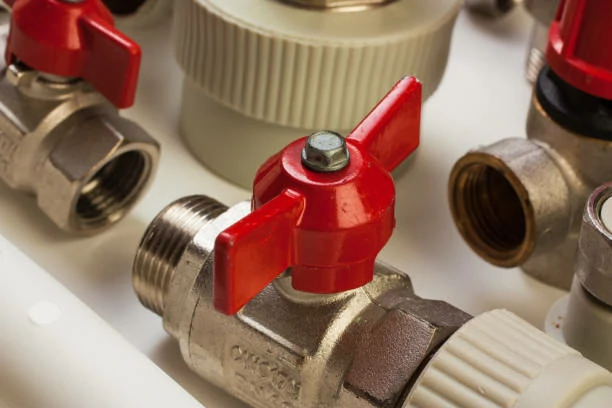
Introduction to PPR Ball Valves and Gate Valves
When designing or upgrading a plumbing system, choosing the right valve is crucial for the system’s efficiency and longevity. PPR ball valves and gate valves are both commonly used in plumbing systems but serve different functions. PPR ball valves provide excellent control over water flow, while gate valves are designed to allow or stop the flow completely. Both types have distinct advantages and limitations depending on the specific requirements of the system. This guide will explore the differences, advantages, and applications of each valve to help you make an informed choice.
How PPR Ball Valves Work
PPR ball valves consist of a spherical ball inside the valve body with a hole in the center. The ball rotates to open or close the valve. When the ball’s hole aligns with the pipe, water flows through. When the ball turns 90 degrees, the hole blocks the flow. PPR ball valves are easy to operate and provide a reliable method for controlling water flow. They are especially useful when frequent operation is required. The simple mechanism ensures quick and smooth opening and closing of the valve.
How Gate Valves Work
Gate valves operate with a sliding gate or wedge mechanism. The gate sits between two seats and moves up and down to control water flow. When the valve is open, the gate is lifted, allowing water to flow freely. When closed, the gate moves down and blocks the flow completely. Gate valves are generally used when full flow or complete shutoff is necessary, and they are not intended for frequent operation. The design of the gate valve makes it suitable for larger systems where slow, gradual opening and closing are preferred.
Advantages of PPR Ball Valves
PPR ball valves offer several significant advantages, especially in residential and commercial applications. One of the key benefits is their fast operation. A simple quarter-turn is all that is needed to open or close the valve, making it ideal for situations where quick shutoff is essential. Additionally, PPR ball valves are highly durable. Made from polypropylene, they resist corrosion, chemicals, and high temperatures, ensuring long-lasting performance. PPR material also does not scale or rust, which helps maintain clean and safe water flow. Their ease of use and low maintenance requirements make them a favorite among both homeowners and professionals.
Advantages of Gate Valves
Gate valves are often chosen for their ability to provide full flow when fully open. The design of the gate valve minimizes pressure loss during operation, making it ideal for applications where water needs to flow without restriction. Gate valves are also well-suited for larger diameter pipes or systems with high flow rates. Because they have a simple on/off function, they are often used in larger-scale systems, such as municipal water supply lines, where frequent valve operation is unnecessary. Gate valves are durable, and their design allows them to withstand significant pressure, making them a reliable choice for heavy-duty applications.
Comparing Applications: PPR Ball Valves vs. Gate Valves
PPR ball valves are perfect for systems that require quick, reliable control of water flow. They are ideal for residential plumbing, faucets, and appliances where ease of use and frequent operation are necessary. In contrast, gate valves are better suited for applications where the valve will not need to be frequently adjusted, such as in large industrial systems or irrigation pipelines. Gate valves are commonly found in water mains or large irrigation systems, where a simple open/close mechanism is needed. For smaller, high-traffic systems, PPR ball valves offer greater flexibility and performance.
Durability and Maintenance of PPR Ball Valves vs. Gate Valves
Both PPR ball valves and gate valves are durable, but they have different maintenance needs. PPR ball valves are low-maintenance because they are resistant to rust, corrosion, and scale buildup. A quick inspection every few months is usually all that’s required to ensure smooth operation. Gate valves, however, can require more maintenance. The gate and valve seat may experience wear over time, especially in systems where the valve is not regularly used. Regular inspection and occasional lubrication of the moving parts are necessary to keep gate valves functioning properly. Both types are built to last, but PPR ball valves generally require less maintenance.
Cost Considerations: PPR Ball Valves vs. Gate Valves
In terms of initial cost, PPR ball valves tend to be more affordable compared to gate valves. The simplicity of the ball valve design and the low cost of PPR material contribute to the lower price. Gate valves, especially those made from metals like brass or stainless steel, can be more expensive due to the more complex design and the material costs. However, when considering long-term costs, PPR ball valves may be more cost-effective due to their lower maintenance needs. Gate valves, while more expensive initially, can be worth the investment in industrial applications where they are designed for long-term, heavy-duty use.
Conclusion: Which Valve to Choose
Choosing between PPR ball valves and gate valves depends on the specific needs of your plumbing system. If you require a valve that is easy to operate, quick to open and close, and resistant to corrosion, PPR ball valves are an excellent choice. They are best for systems with frequent valve adjustments, such as residential plumbing. On the other hand, if your system requires a valve that controls large volumes of water with minimal pressure loss, a gate valve may be the better option. Gate valves are ideal for large industrial applications or systems where the valve will not need frequent operation. Ultimately, both types of valves offer excellent performance, and understanding your system’s needs will help you make the best decision.
Product Standards
PPR ball valves comply with several international standards to ensure quality and performance. ISO 15874 and EN 15874 establish the requirements for PPR piping systems, including mechanical properties and durability. ASTM F2389 defines the specifications for polypropylene pipes and fittings used in pressurized applications. DIN 8077/8078 sets the dimensional and material requirements for PPR pipes, ensuring compatibility with various valve types. GB/T 18742 outlines the technical parameters for PPR piping systems in China, covering aspects such as pressure resistance and thermal stability. NBR 15884 serves as the Brazilian standard for PPR pipes, guaranteeing compliance with local plumbing regulations. These standards ensure that PPR ball valves deliver reliable performance in residential, commercial, and industrial applications.
Contact
IFAN is a professional manufacturer with 30 years of experience, dedicated to producing high-quality plastic pipes, fittings, and valves. Our products include brass valves, PPR valves, as well as various pipes and fittings to meet different customer needs. Whether you need plumbing and drainage pipes or valve products. IFAN can provide a diverse range of high-quality, cost-effective products to support your projects. Below is our contact information.
We will reply your email or fax within 24 hours.
You can call us at any time if there is any question on our production.
Pls Mailto: [email protected]
Whatsapp: +8619884503412











Recent Comments