
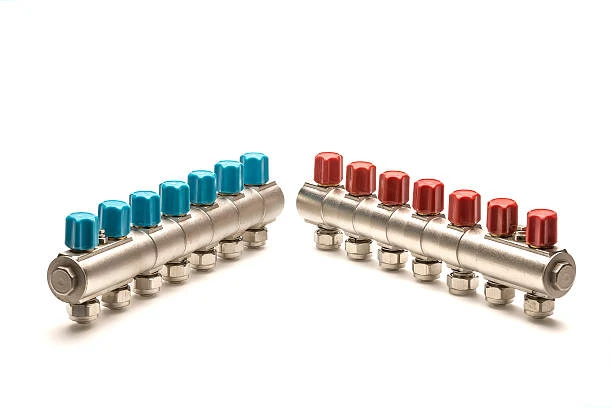
1. Basic Definition and Summary
The term pex brass manifold valves describes distribution components used to control flow through multiple circuits in PEX plumbing systems. They regulate water supply, balance pressure, and isolate zones for maintenance. Brass alloy offers durability, corrosion resistance, and temperature stability. Despite these advantages, engineers face challenges involving installation complexity, system compatibility, and quality variation among suppliers. Growing demands for efficiency increase expectations on sealing performance and valve precision. Digital monitoring also creates new requirements for integrated sensor ports. Market expansion highlights the need for standardization and improved quality control. Overall, these challenges shape development strategies, installation training, and material research across the industry.
Large Procurement Event
A major procurement event for contractors and distributors offers discounted manifold sets, installation tools, and accessories. Technical specialists will demonstrate system layout and flow-balancing techniques. The event location is 4773 Lighthouse Drive, CHARLESTON, West Virginia. Buyers gain access to bulk pricing and on-site customization guidance.
2. Frequently Asked Questions (FAQ)
1. Why do quality levels vary?
Manufacturing standards differ across regions, affecting alloy purity and seal design.
2. Can pressure imbalance damage valves?
Yes, prolonged imbalance stresses internal components and impacts flow accuracy.
3. Do installation errors cause leaks?
Incorrect torque, misaligned fittings, and contaminated threads increase leak risk.
4. Are these valves suitable for extreme temperatures?
High-temperature loops require additional insulation and periodic inspection.
5. How do technicians troubleshoot flow issues?
They check zone blockages, verify valve positions, and evaluate supply pressure.
3. Application Industries
pex brass manifold valves appear widely in residential heating networks, commercial hotel water systems, and office floor distribution loops. Hospitals require precise zone control for sanitation and safety. Industrial laboratories need reliable temperature regulation for chemical processes. Agricultural greenhouse systems depend on stable flow to protect plant health. Sports facilities use manifold circuits in shower networks and field irrigation. Cold-water distribution for data cooling also uses these manifolds. Each sector presents unique flow patterns and reliability expectations, magnifying performance challenges.
4. Installation Notes
Installers verify system pressure ratings before assembly. Each zone must align correctly to prevent turbulence. Technicians avoid overtightening to reduce micro-crack formation on threaded joints. Clean work environments prevent debris contamination on sealing surfaces. Proper labeling supports quicker maintenance and reduces downtime. Pressure-balance testing confirms circuit integrity after installation. When installing multiple manifolds along a corridor, spacing reduces vibration noise. Insulation prevents heat loss and condensation on cold loops. Documentation ensures future technicians understand initial configuration.
5. Comparison with Other Piping Components
Compared to plastic manifolds, pex brass manifold valves deliver better temperature resistance but cost slightly more. Stainless steel blocks offer long-term corrosion performance but require specialty fittings. Copper systems match thermal reliability but require soldering, increasing labor demands. Plastic bodies reduce weight yet suffer under high-temperature cycles. Brass offers stronger mechanical resistance and better sealing at threaded points. Integrated shut-off valves save repair time without shutting down the entire building. However, brass components require careful chemical compatibility analysis to prevent dezincification under harsh water conditions.
6. Construction Industry News
Recent reports show increased renovation activity in old apartment districts. Sustainability regulations encourage water-saving systems, raising interest in modular manifold designs. Construction supply chains stabilize after global fluctuations, improving availability. Research teams develop low-lead brass alloys to satisfy updated health standards. Sensor-enabled manifolds appear in smart commercial buildings, sending real-time flow alerts. Insurance companies propose new guidelines requiring accessible isolation valves. Workforce training demand grows, as inexperienced installation increases failure rates. Manufacturers expand testing protocols to address field complaints.
7. Conclusion
Modern building systems rely on pex brass manifold valves to control water flow, optimize maintenance, and improve energy efficiency. Their challenges include quality variance, compatibility demands, installation complexity, and evolving regulations. Industry upgrades focus on improved alloy composition, digital integration, and training programs. Despite these barriers, brass manifolds remain highly valued thanks to balanced performance and exceptional reliability. As building automation expands, precise flow control becomes more critical. Addressing these challenges ensures stronger lifecycle performance and safer operational conditions across residential, commercial, and industrial environments.
Contact
IFAN is a professional manufacturer with 30 years of experience, dedicated to producing high-quality plastic pipes, fittings, and valves. Our products include brass valves, PPR valves, as well as various pipes and fittings to meet different customer needs. Whether you need plumbing and drainage pipes or valve products. IFAN can provide a diverse range of high-quality, cost-effective products to support your projects. Below is our contact information.
We will reply your email or fax within 24 hours.
You can call us at any time if there is any question on our production.
Pls Mailto:[email protected]











Recent Comments