
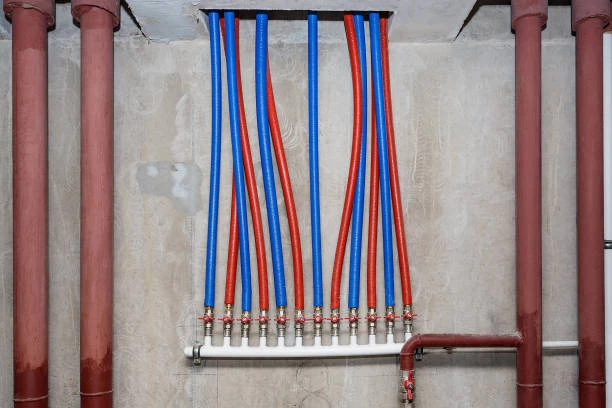
The PEX (cross-linked polyethylene) pipe industry, particularly for 1-inch PEX pipes, requires significant capital investment to maintain production efficiency, ensure product quality, and meet the growing demand for modern plumbing solutions. The 1-inch PEX pipe size finds extensive use in residential, commercial, and industrial plumbing systems due to its balance between flow capacity and flexibility. In this article, we explore the various aspects of capital investment in the production, distribution, and innovation of 1-inch PEX pipes.
1. Manufacturing Infrastructure and Equipment
The largest portion of capital investment in the PEX pipe industry goes toward manufacturing infrastructure and equipment. Producing high-quality 1-inch PEX pipes requires advanced machinery for extrusion, cross-linking, and quality control. Companies must allocate significant resources to establish and maintain these systems to ensure efficiency and meet safety standards.
- Extrusion Lines: The extrusion process, where polyethylene is shaped into pipes, involves high-tech machines that operate at precise temperatures and pressures. Manufacturers invest in specialized extrusion lines designed for the PEX-A, PEX-B, or PEX-C production methods. For 1-inch PEX pipes, the extrusion machines need to handle larger diameters and ensure uniform wall thickness to meet performance standards. Modern extrusion lines include automation systems that reduce human error and increase production capacity, which requires considerable upfront investment.
- Cross-Linking Equipment: The cross-linking process, which strengthens the polyethylene and enhances its flexibility, differs depending on the method used. Each method (PEX-A, PEX-B, and PEX-C) requires specialized equipment. PEX-A relies on the Engel method, which cross-links the polymer during the extrusion phase. PEX-B uses a moisture-curing process that requires additional curing chambers, while PEX-C involves the use of radiation or chemical cross-linking, requiring different machinery. Investing in these systems allows companies to diversify their product offerings and cater to varying market demands for 1-inch PEX pipes.
- Quality Control and Testing: PEX pipe manufacturers invest heavily in quality control systems. Automated inspection technology ensures the pipes meet industry standards for strength, flexibility, and durability. Advanced testing equipment simulates real-world conditions such as pressure, temperature fluctuations, and exposure to chemicals. These investments prevent product failures and reduce the likelihood of costly recalls, maintaining customer trust and regulatory compliance.
2. Research and Development (R&D)
Research and development represent a crucial area of capital investment in the PEX pipe industry. As competition intensifies and customer expectations rise, manufacturers invest in R&D to innovate and improve the performance of 1-inch PEX pipes.
- Product Innovation: R&D teams focus on enhancing the material properties of PEX pipes to improve durability, temperature resistance, and flexibility. Investment in polymer chemistry research allows manufacturers to create new formulations that perform better under high-pressure or high-temperature conditions, which broadens the application scope of 1-inch PEX pipes, particularly in commercial and industrial settings.
- Process Optimization: R&D also plays a role in optimizing the production process to reduce waste, energy consumption, and production costs. Investing in more energy-efficient machinery or advanced materials handling systems can improve the profitability of 1-inch PEX pipe production. These innovations often lead to more sustainable production methods, which are increasingly important as environmental regulations tighten.
- New Applications: Expanding the potential applications for 1-inch PEX pipes involves significant R&D. For example, R&D teams may explore the use of PEX pipes in non-traditional sectors such as hydronic heating systems, snow-melting installations, or agricultural irrigation. Each new application requires extensive testing and development to ensure the pipes meet the specific demands of those industries.
3. Labor and Training
Human capital plays a critical role in the successful production and distribution of 1-inch PEX pipes. Manufacturers invest in both skilled labor and ongoing training to maintain high operational standards and adapt to new technologies.
- Skilled Labor: Hiring qualified personnel for machine operation, quality control, and maintenance forms a significant part of capital investment. The extrusion process requires precision, and machine operators need specialized knowledge to handle complex production machinery. Additionally, engineers and technicians ensure that the equipment functions optimally, and maintenance personnel must keep the machinery running smoothly to avoid costly downtime.
- Ongoing Training: As automation and new technologies transform manufacturing processes, continuous training becomes essential. Companies allocate resources for training programs that educate workers on the latest machinery, safety protocols, and quality control systems. Investing in human capital through training not only enhances productivity but also reduces errors, increasing overall profitability.
4. Distribution and Logistics
Distribution forms another key area of capital investment for companies involved in the 1-inch PEX pipe industry. The pipes need to reach markets efficiently and securely, which requires investment in logistics, warehousing, and supply chain management.
- Warehousing: Companies must invest in warehousing facilities to store finished products. Given the size and volume of 1-inch PEX pipes, large-scale storage solutions are essential. These warehouses need to be climate-controlled to prevent temperature-related damage to the PEX pipes. Automated storage and retrieval systems can further enhance efficiency, though they require significant capital to install.
- Transportation: Efficient transportation systems ensure that PEX pipes reach distributors, contractors, and end-users promptly. Companies often invest in their own fleet of trucks or partner with third-party logistics providers. To optimize transportation costs, firms may use routing software and load management systems that maximize the efficiency of each delivery.
- Inventory Management Systems: Advanced inventory management software helps manufacturers and distributors track stock levels, forecast demand, and manage shipments. These systems streamline the supply chain, reducing the risk of stockouts or overproduction, which can lead to wasted resources.
5. Marketing and Brand Building
Capital investment in marketing and brand building helps PEX pipe manufacturers differentiate their products in a competitive marketplace. With more companies entering the industry, strong branding and customer engagement strategies play an essential role in maintaining market share for 1-inch PEX pipes.
- Marketing Campaigns: Companies allocate capital to marketing campaigns that target plumbing contractors, builders, and consumers. Digital marketing, social media advertising, and industry-specific trade shows help manufacturers reach their audience and promote the advantages of 1-inch PEX pipes over traditional materials such as copper or PVC.
- Training Programs for Contractors: Some manufacturers invest in creating training programs for plumbing contractors to educate them on the proper installation and use of 1-inch PEX pipes. By doing so, they ensure that their products are installed correctly and perform as expected. These programs also foster brand loyalty among contractors, who are more likely to recommend the product to their clients.
- Customer Support and Technical Services: High-quality customer support and technical services build trust and strengthen the company’s reputation. Manufacturers often invest in dedicated support teams that assist contractors and homeowners with product selection, installation guidelines, and troubleshooting. These services enhance customer satisfaction and promote repeat business.
6. Compliance and Certifications
Compliance with industry standards and certifications requires significant capital investment. PEX pipes, especially those used in potable water systems, must meet strict regulatory requirements.
- Certifications: Manufacturers invest in obtaining certifications from recognized organizations such as NSF International and the ASTM (American Society for Testing and Materials). These certifications validate the safety and performance of 1-inch PEX pipes, making them suitable for various plumbing applications.
- Compliance Testing: Ongoing compliance testing ensures that PEX pipes continue to meet regulatory standards. This requires investment in testing facilities and equipment that simulate real-world conditions such as pressure, temperature extremes, and exposure to chemicals.
7. Sustainability Investments
The growing focus on environmental sustainability has led PEX manufacturers to invest in green technologies and practices. These investments reduce the environmental impact of PEX production and appeal to eco-conscious consumers.
- Recycling Programs: Some companies have introduced recycling programs to reclaim and repurpose scrap PEX material from the manufacturing process. Investing in recycling equipment reduces waste and lowers raw material costs.
- Energy-Efficient Production: Capital investment in energy-efficient machinery and renewable energy sources, such as solar or wind power, reduces the carbon footprint of PEX pipe production. These initiatives also reduce operating costs over time.
The Best Pex Pipe Fitting Suppliers
| Company Name | Brand | Founded | Address |
| Zhejiang Zhuji sail pipe industry Co., LTD | IFAN | 1993 | International Trade Building, 999 Chouzhou North Road, Yiwu City, Zhejiang Province,China |
| Uponor Corporation | Uponor | 1620 | Uponor Building Solutions, LLC, 5925 148th St W, Apple Valley, MN 55124, USA |
| Viega LLC | Viega | 1899 | Viega LLC, 10850 Pecos St, Westminster, CO 80020, USA |
| REHAU Inc. | Rehau | 1948 | REHAU Inc., 400 Steeles Ave W, Thornhill, ON L3T 1A7, Canada |
| NIBCO Inc. | NIBCO Inc. | 1904 | NIBCO Inc., 1516 Middlebury St, Elkhart, IN 46516, USA |
IFAN is a brand that offers products that meet a wide range of international standards, ensuring the quality and reliability of every product.Product standard including: ASTM F1974, ASTM F1281, CSA B137, DIN 16836, GB18997, ISO 21003. IFAN is committed to providing high quality products and excellent service!
Conclusion
Capital investment in the 1-inch PEX pipe industry spans several areas, including manufacturing infrastructure, research and development, labor, distribution, marketing, compliance, and sustainability. By allocating resources strategically in these areas, manufacturers can maintain competitive advantages, improve product quality, and meet the growing demand for PEX piping systems. The long-term success of companies in this industry depends on their ability to innovate, optimize production processes, and adapt to changing market trends and regulatory environments.
Contact
IFAN is a professional manufacturer with 30 years of experience, dedicated to producing high-quality plastic pipes, fittings, and valves. Our products include brass valves, PPR valves, as well as various pipes and fittings to meet different customer needs. Whether you need plumbing and drainage pipes or valve products, IFAN can provide a diverse range of high-quality, cost-effective products to support your projects. Below is our contact information.
We will reply your email or fax within 24 hours.
You can call us at any time if there is any question on our production.
For more information,pls visit our webside https://pipefittingpro.com/
Pls Mailto: [email protected]
Whatsapp: + 86 19857948982







Recent Comments