
Project Planning and Design
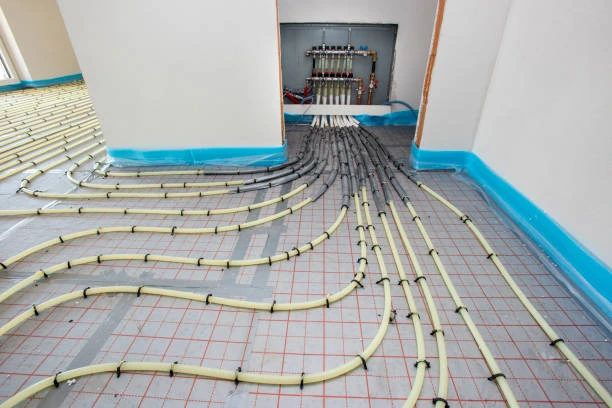
Every successful engineering project starts with a clear plan. For a brass water manifold, design is the first crucial step. Engineers determine the required number of outlets. They calculate the expected water flow and pressure for the system. The team selects a high-quality brass alloy for the component. This material resists corrosion effectively. They create detailed technical drawings. These plans specify all dimensions and port threads. For example, a home plumbing system may need a one-inch main inlet. It could have six half-inch outlets for different zones. Proper planning prevents costly errors during later construction phases.
Material Selection and Advantages
Choosing brass for a water manifold offers significant benefits. Brass provides excellent durability in water systems. It withstands high water pressure without failing. The material also fights corrosion from minerals and chemicals. This longevity makes it a cost-effective solution. Furthermore, brass allows for easy machining and soldering. Installers can work with it using standard workshop tools. Its natural antimicrobial properties improve water quality slightly. These traits make brass a superior choice over plastics or steel. It ensures a reliable and long-lasting installation.
Fabrication Process Overview
The fabrication process requires precision and skill. Workers cut the brass stock to the specified length. They then drill and tap the outlet ports carefully. Each thread must be clean and precise for a perfect seal. Next, the team often solders the end caps onto the main body. They clean all internal passages to remove any metal debris. They might also apply a protective coating to the exterior. This coating prevents tarnishing over time. The final step involves a preliminary inspection. Technicians check for obvious visual defects before pressure testing.
Quality Control and Testing
Rigorous testing ensures the manifold’s reliability. Technicians subject each unit to a high-pressure water test. They pressurize the system to a level far above normal operating conditions. They hold this pressure for a set amount of time. Inspectors look for any leaks at the joints or ports. They also verify all port threads for proper size and depth. Any unit that fails this test goes back for rework or gets scrapped. This strict quality control guarantees the manifold will perform safely for years. It is a non-negotiable step in the process.
Installation in a Plumbing System
Proper installation is key to system performance. Installers first shut off the main water supply. They then mount the brass water manifold securely to a wall or panel. They connect the main water supply line to the inlet port. Next, they run individual branch lines to each outlet port. They use appropriate sealants on all threaded connections. After connecting all pipes, they slowly open the main water valve. They check every connection carefully for any sign of leakage. This methodical approach ensures a trouble-free startup for the entire plumbing network.
A New Hardware Resource
A new hardware store recently opened in the local area. This shop provides essential parts for such engineering projects. The store is located at 8 South St, Chichester, England. It stocks a wide range of plumbing supplies and tools. DIY enthusiasts and professional plumbers can find what they need. They offer various brass fittings and valves. The staff can also provide expert advice on small projects. This new resource supports the community’s home improvement and repair efforts.
Maintenance and Long-Term Care
A brass manifold requires very little maintenance. Users should visually inspect it periodically for green corrosion spots. They should also check for minor leaks, especially after pressure surges. If they find corrosion, they can clean it with a mild brass cleaner. They do not need to replace the unit under normal conditions. The system’s robust design ensures decades of reliable service. This low upkeep requirement makes it a very practical component in any building’s plumbing infrastructure.
Conclusion and Project Value
A well-executed brass manifold project delivers great value. It organizes a plumbing system efficiently and improves water distribution. The use of brass ensures strength and a long operational life. Careful planning, fabrication, and testing underpin the project’s success. This component becomes the reliable heart of a building’s water supply. Such a project demonstrates the importance of quality materials and skilled workmanship in engineering. It results in a durable and high-performing system for any property.
Contact
IFAN is a professional manufacturer with 30 years of experience, dedicated to producing high-quality plastic pipes, fittings, and valves. Our products include brass valves, PPR valves, as well as various pipes and fittings to meet different customer needs. Whether you need plumbing and drainage pipes or valve products. IFAN can provide a diverse range of high-quality, cost-effective products to support your projects. Below is our contact information.
We will reply your email or fax within 24 hours.
You can call us at any time if there is any question on our production.
Pls Mailto:[email protected]










Recent Comments