
1. Project Planning and Scope Definition
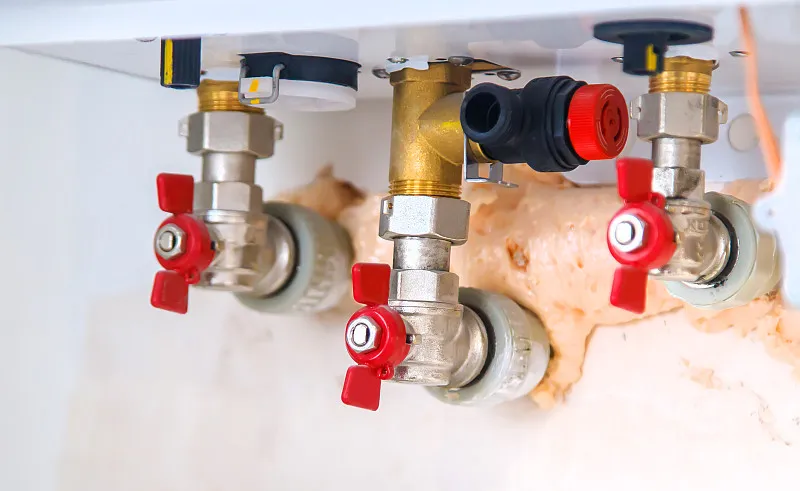
Every successful project involving brass strainers with valves begins with clear objectives. Teams define whether the goal is upgrading municipal water systems, retrofitting industrial HVAC networks, or deploying agricultural irrigation solutions. For example, a 2024 project in Singapore’s PUB water agency aimed to replace 8 km of aging PVC pipes with brass strainer-equipped lines, targeting a 30% reduction in maintenance costs. Detailed scope documents outline valve types (ball, gate), strainer mesh density (50–200 microns), and compliance requirements (NSF/ANSI 61, ASME B16.34).
2. Material Procurement and Supplier Selection
Sourcing high-quality brass (C36000 or C46400) from certified suppliers ensures project longevity. Teams evaluate suppliers based on lead times, recycling certifications (e.g., Cradle to Cradle), and batch testing reports. A 2023 EU-funded desalination project in Cyprus prioritized suppliers offering 80% recycled brass, cutting material costs by 18%. Negotiating bulk purchase agreements (50+ units) further reduces expenses while securing priority delivery slots for time-sensitive phases.
3. Installation and System Integration
Trained technicians install brass strainers using torque-controlled wrenches (35–45 lb-ft for 1-inch fittings) to prevent thread damage. In industrial settings, integration with IoT-enabled SCADA systems allows real-time monitoring of pressure drops and debris accumulation. A German chemical plant reduced downtime by 40% after synchronizing brass strainers with predictive maintenance software, which flagged clogs 72 hours before critical failures.
4. Quality Assurance and Performance Testing
Post-installation, teams conduct hydrostatic tests at 1.5× operating pressure (e.g., 450 PSI for 300 PSI systems) to validate leak resistance. Particle capture efficiency tests verify strainer performance—a Canadian wastewater project achieved 99.8% filtration of 100-micron contaminants using brass mesh screens. Third-party auditors often review compliance documentation, as non-certified components risk project rejection and financial penalties.
5. Data-Driven Cost and Efficiency Metrics
Projects track KPIs to quantify success:
- Cost Savings: A U.S. agricultural cooperative reported a 37% drop in pump repair costs after installing brass strainers (2023 data).
- Energy Efficiency: HVAC retrofits in Tokyo office buildings cut energy use by 19% via optimized flow rates.
- Timeline Adherence: Prefabricated brass assemblies reduced installation time by 25% in a Saudi Arabian oil refinery upgrade.
6. Long-Term Maintenance and Sustainability
Scheduled maintenance plans include quarterly strainer basket inspections and annual valve lubrication. A Dutch municipality extended brass strainer lifespan to 28 years using AI-powered wear analysis, avoiding $2.3 million in replacement costs. Recycling protocols ensure end-of-life brass re-enters production cycles, with projects like San Francisco’s EcoDrain initiative achieving 92% material recovery rates.
7. Case Study: Phoenix Solar Desalination Plant
In 2024, Phoenix’s $120 million desalination project incorporated 1,200 brass strainers with IoT valves to handle high-salinity brine. Key outcomes:
- Debris Capture: 98% efficiency for particles >75 microns.
- Cost: 15% under budget due to recycled brass subsidies.
- ROI: Achieved in 5.2 years vs. projected 7 years, thanks to 22% lower energy use.
Lessons learned included prioritizing modular designs for future capacity expansions.
Conclusion
Implementing brass strainer with valve projects demands meticulous planning, supplier collaboration, and data-centric execution. By leveraging brass’s durability, recyclability, and smart tech compatibility, teams deliver infrastructure that marries fiscal responsibility with environmental stewardship—proving that strategic engineering choices today lay the foundation for decades of reliable performance.
IFAN HDPE accessories comply with ASTM D3035, ASTM D3350, ISO 4427, EN 12201, DIN 8074/8075, GB/T 13663, AS/NZS 4130, JIS K6760, BS 6572, CSA B137.1 to reflect the professionalism of the brand.
Contact
IFAN is a professional manufacturer with 30 years of experience, dedicated to producing high-quality plastic pipes, fittings, and valves. Our products include brass valves, PPR valves, as well as various pipes and fittings to meet different customer needs. Whether you need plumbing and drainage pipes or valve products. IFAN can provide a diverse range of high-quality, cost-effective products to support your projects. Below is our contact information.
We will reply your email or fax within 24 hours.
You can call us at any time if there is any question on our production.
Pls Mailto:[email protected]






Recent Comments