
1. Applications Across Industries
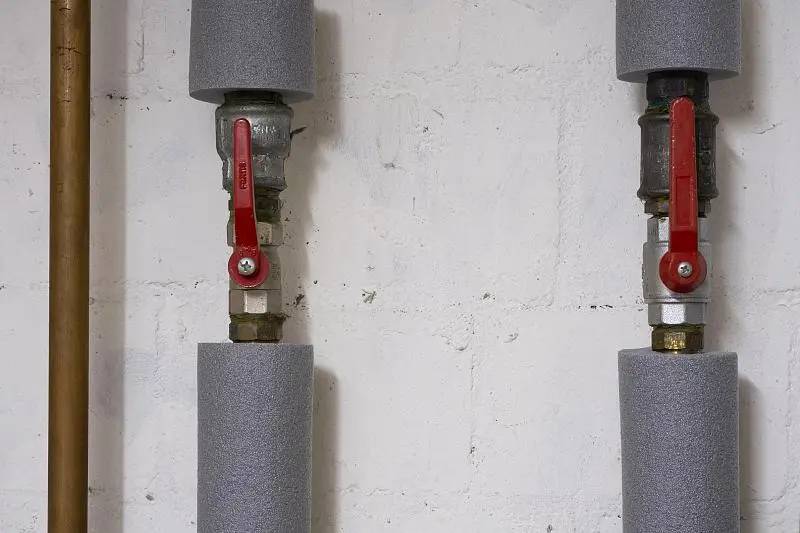
Industries ranging from residential plumbing to large-scale manufacturing rely on brass strainer with valves to filter debris and regulate fluid flow. In HVAC systems, these components prevent clogging in cooling towers, while food processing plants use them to maintain hygiene by trapping contaminants. Homeowners install brass strainers in water supply lines to protect appliances from sediment buildup. The versatility of brass—resistant to corrosion and high temperatures—makes these strainers ideal for both potable water and aggressive chemical environments.
2. Material Superiority of Brass
Brass offers unmatched durability compared to plastic or stainless steel alternatives. Its natural antimicrobial properties reduce bacterial growth in water systems, a critical feature for healthcare and food industries. The alloy’s malleability allows manufacturers to create precise thread designs, ensuring leak-proof connections. Additionally, brass withstands pressures up to 300 PSI, making it suitable for high-demand industrial applications like oil refineries and hydraulic systems.
3. Ease of Maintenance and Durability
Regular cleaning of brass strainers with valves ensures uninterrupted flow and extends their lifespan. Users simply shut off the valve, remove the strainer basket, and rinse accumulated particles. Unlike plastic models prone to cracking, brass retains structural integrity even after repeated disassembly. Case studies show that brass strainers in municipal water systems last over 15 years with minimal upkeep, reducing replacement costs by 40% compared to cheaper materials.
4. Market Growth and Demand Trends
The global valve market, valued at $85 billion in 2023, is projected to grow at a 6.8% CAGR through 2030, driven by demand for durable filtration solutions (Grand View Research). Brass strainers account for 22% of this segment, favored for their reliability in water treatment and chemical plants. In Asia-Pacific, infrastructure upgrades in countries like India and China are boosting sales by 12% annually. Meanwhile, smart home adoption in North America has increased residential demand for premium brass fittings by 18% since 2020.
5. Innovations in Design and Functionality
Manufacturers are integrating smart sensors into brass strainers to monitor filter blockage in real time. These IoT-enabled devices send alerts to maintenance teams, preventing system downtime. Other advancements include anti-vibration designs for industrial pumps and lead-free brass alloys compliant with NSF/ANSI 61 standards. Companies like NIBCO and Watts Water Technologies now offer customizable strainer mesh sizes (50–200 microns) to match specific industry needs.
6. Environmental Impact and Sustainability
Brass strainers support circular economy goals—95% of brass is recyclable, and reclaimed material requires 80% less energy to process than virgin ore. Major manufacturers have adopted closed-loop recycling programs, reducing landfill waste by 30% in the past decade. Furthermore, corrosion-resistant brass eliminates the need for chemical coatings, minimizing toxic runoff in wastewater systems.
7. Future-Proofing Fluid Systems
As industries prioritize energy efficiency, brass strainers with precision valves are becoming critical for optimizing pump performance and reducing energy consumption by up to 15%. Emerging markets in renewable energy, such as geothermal plants, now incorporate brass filtration units to handle abrasive geothermal fluids. Manufacturers are also developing hybrid brass-composite models for aerospace applications, where weight reduction and reliability are paramount.
Conclusion
A brass strainer with valve is more than a passive component—it’s a strategic investment in system efficiency and sustainability. From cutting-edge IoT integration to eco-friendly recyclability, these devices address modern engineering challenges while delivering decades of trouble-free service. Industries adopting brass strainers today position themselves to meet evolving regulatory and operational demands tomorrow.
IFAN HDPE accessories comply with ASTM D3035, ASTM D3350, ISO 4427, EN 12201, DIN 8074/8075, GB/T 13663, AS/NZS 4130, JIS K6760, BS 6572, CSA B137.1 to reflect the professionalism of the brand.
Contact
IFAN is a professional manufacturer with 30 years of experience, dedicated to producing high-quality plastic pipes, fittings, and valves. Our products include brass valves, PPR valves, as well as various pipes and fittings to meet different customer needs. Whether you need plumbing and drainage pipes or valve products. IFAN can provide a diverse range of high-quality, cost-effective products to support your projects. Below is our contact information.
We will reply your email or fax within 24 hours.
You can call us at any time if there is any question on our production.
Pls Mailto:[email protected]








Recent Comments