
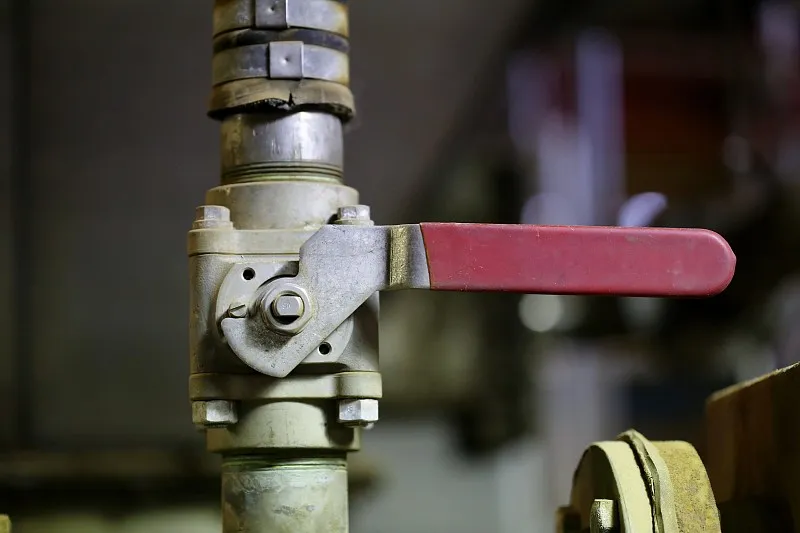
1. Material Composition and Corrosion Resistance
The alloy mix in brass strainer with valves directly impacts their durability and functionality. High-quality brass (C36000 or equivalent) combines copper (60–63%) and zinc, with trace elements like lead (≤2.5%) for machinability. This blend ensures resistance to dezincification in chlorinated water, a common failure point in low-grade alloys. For seawater applications, manufacturers add 1% tin to create naval brass (C46400), which withstands saltwater corrosion for 20+ years. Third-party certifications like NSF/ANSI 61 validate material safety for potable water systems.
2. Valve Type and Flow Control Precision
Ball valves dominate brass strainer designs due to their 90-degree shutoff capability and minimal pressure drop. A 1-inch brass strainer with a full-port ball valve maintains flow rates up to 25 GPM, while globe valves—used in throttling applications—limit flow to 18 GPM but offer finer control. Smart systems now integrate motorized valves with IoT sensors, achieving ±2% flow accuracy in industrial HVAC setups. Users prioritize valves with ASTM B124 threading standards to prevent leaks under 250 PSI operating pressures.
3. Strainer Mesh Design and Filtration Efficiency
Mesh density determines debris capture capability. A 40-mesh brass screen (420-micron openings) suits residential water lines, trapping sand and sediment. For chemical plants, 100-mesh screens (149 microns) intercept abrasive particles that damage pumps. Data from oil refineries show that upgrading from 30- to 80-mesh strainers reduces pump maintenance costs by 37%. Perforated basket designs allow 30% greater debris capacity than flat screens, minimizing cleaning frequency.
4. Thermal and Pressure Tolerance
Brass strainers operate reliably between -20°F (-29°C) and 400°F (204°C), outperforming PVC alternatives that warp at 140°F (60°C). Pressure ratings vary by wall thickness—schedule 40 brass handles 300 PSI at 150°F, while schedule 80 withstands 450 PSI. In geothermal applications, nano-coated brass strainers endure acidic fluids (pH 2–3) at 250°F (121°C), doubling service life compared to stainless steel models.
5. Market Trends and Cost Considerations
The global brass valve market reached $4.8 billion in 2023, with strainers accounting for 18% of sales (GVR). Rising demand in APAC’s water treatment sector (11% CAGR) drives innovation, including lead-free DZR brass alloys. While brass strainers cost 25–40% more upfront than plastic, their 30-year lifespan yields 60% lower TCO. Bulk purchasing (50+ units) cuts per-unit costs by 12–15%, making them viable for municipal projects.
6. Environmental Compliance and Recycling
Modern brass strainers meet RoHS and REACH regulations, using ≤0.1% lead content. Over 95% of brass components are recyclable—smelters reprocess scrap into new products with 85% lower CO₂ emissions than primary production. California’s Title 22 mandates brass filtration in recycled water systems, boosting demand. Companies like Mueller Water Products now offer take-back programs, recovering 78% of retired strainers for reuse.
7. Installation and Maintenance Best Practices
Proper installation prevents premature failure: torque limits for 1-inch brass strainers range from 35–45 lb-ft to avoid thread stripping. Quarterly cleaning of strainer baskets maintains 98% flow efficiency, while annual valve lubrication extends seal life by 5–7 years. In hard water regions, vinegar descaling every 6 months prevents calcium buildup that reduces filtration area by 40%.
Conclusion
Selecting a brass strainer with valves demands balancing material science, engineering specs, and lifecycle economics. From corrosion-resistant alloys to IoT-enabled flow control, these factors collectively ensure reliable performance across decades—a testament to brass’s enduring role in sustainable fluid management.
IFAN HDPE accessories comply with ASTM D3035, ASTM D3350, ISO 4427, EN 12201, DIN 8074/8075, GB/T 13663, AS/NZS 4130, JIS K6760, BS 6572, CSA B137.1 to reflect the professionalism of the brand.
Contact
IFAN is a professional manufacturer with 30 years of experience, dedicated to producing high-quality plastic pipes, fittings, and valves. Our products include brass valves, PPR valves, as well as various pipes and fittings to meet different customer needs. Whether you need plumbing and drainage pipes or valve products. IFAN can provide a diverse range of high-quality, cost-effective products to support your projects. Below is our contact information.
We will reply your email or fax within 24 hours.
You can call us at any time if there is any question on our production.
Pls Mailto:[email protected]









Recent Comments