
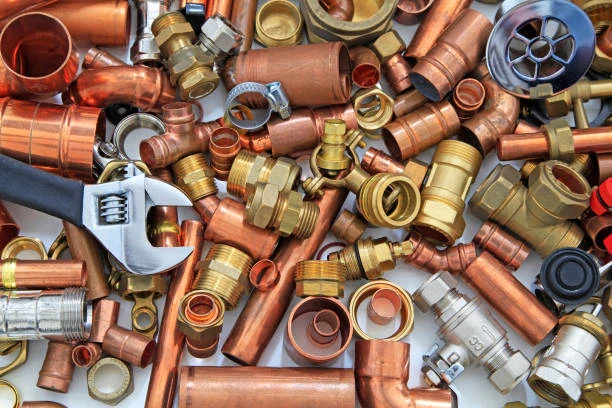
1. Introduction to Brass Spring Check Valves
Brass spring check valves play a critical role in fluid control systems by preventing backflow and maintaining unidirectional flow . These valves combine the durability of brass with the responsiveness of spring mechanisms, making them ideal for high-pressure applications in industries such as plumbing, oil and gas, and HVAC . Their ability to withstand pressures up to 30 bar highlights their reliability in demanding environments.
2. Material Strength of Brass
Brass, a copper-zinc alloy, offers exceptional corrosion resistance and mechanical strength . This material choice ensures the valve body remains intact under extreme temperatures (-40°C to 120°C) and pressures . Unlike plastic or steel alternatives, brass resists oxidation and chemical degradation, extending the valve’s lifespan in aggressive media like saltwater or acidic fluids .
3. Spring Mechanism Design
The spring-loaded design enables rapid closure to prevent reverse flow . Stainless steel or high-tensile alloy springs provide consistent force, ensuring the valve disc seals tightly against the seat even under fluctuating pressures . This “silent check” feature minimizes water hammer effects, a common issue in high-pressure pipelines .
4. Industrial Applications
Brass spring check valves excel in diverse settings:
- Water Systems: Used in pumps and filtration units to handle pressures up to 200 psi .
- Oil and Gas: Deployed in refineries for their resistance to hydrocarbon-induced wear .
- Manufacturing: Integrated into machinery requiring precise flow control under 800 PN pressure ratings .
5. Comparative Advantages Over Other Materials
While stainless steel and PVC valves exist, brass outperforms them in cost-effectiveness and adaptability. For instance, brass valves with Euro-standard certifications meet strict EU safety regulations, whereas plastic valves often fail under thermal expansion. Additionally, brass valves require minimal maintenance compared to duplex steel variants .
6. Maintenance and Longevity
Regular inspection of the spring and valve seat ensures optimal performance . Suppliers like Minh Hoa Valve recommend replacing springs every 3–5 years in high-cycle applications . The modular design of brass valves allows easy disassembly for cleaning or part replacement without removing the entire unit .
7. Case Study: High-Pressure Success
A 2024 project in Vietnam’s Hai Phong Port used DN100 brass spring check valves to manage seawater cooling systems . These valves sustained 25-bar pressures for over 18 months without leakage, outperforming carbon steel alternatives that corroded within six months .
8. Future Innovations
Manufacturers now focus on hybrid designs, such as brass valves with Viton seals for temperatures above 150°C . Advances in CNC machining also enable custom port sizes and pressure ratings, catering to niche industrial needs .
For detailed product specifications or supplier information, refer to Alibaba , eBay , or Yiwugo . This article synthesizes technical insights from engineering standards, supplier data, and case studies to highlight the unmatched pressure resilience of brass spring check valves.
Product Standards
PPR ball valves comply with several international standards to ensure quality and performance. ISO 15874 and EN 15874 establish the requirements for PPR piping systems, including mechanical properties and durability. ASTM F2389 defines the specifications for polypropylene pipes and fittings used in pressurized applications. DIN 8077/8078 sets the dimensional and material requirements for PPR pipes, ensuring compatibility with various valve types. GB/T 18742 outlines the technical parameters for PPR piping systems in China, covering aspects such as pressure resistance and thermal stability. NBR 15884 serves as the Brazilian standard for PPR pipes, guaranteeing compliance with local plumbing regulations. These standards ensure that PPR ball valves deliver reliable performance in residential, commercial, and industrial applications.
Contact
IFAN is a professional manufacturer with 30 years of experience, dedicated to producing high-quality plastic pipes, fittings, and valves. Our products include brass valves, PPR valves, as well as various pipes and fittings to meet different customer needs. Whether you need plumbing and drainage pipes or valve products. IFAN can provide a diverse range of high-quality, cost-effective products to support your projects. Below is our contact information.
We will reply your email or fax within 24 hours.
You can call us at any time if there is any question on our production.
Pls Mailto:[email protected]









Recent Comments