
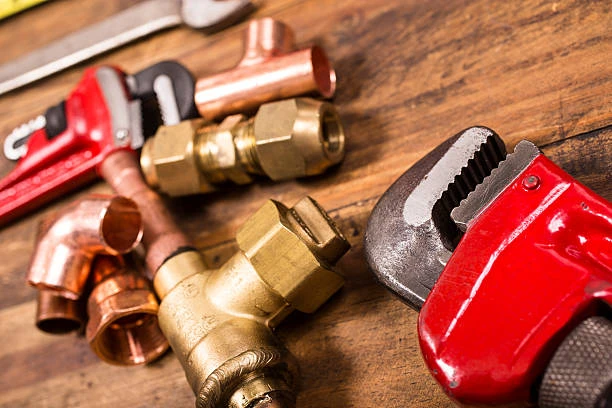
In the vast landscape of industrial components, the brass pipe nipple often flies under the radar. Yet, this humble fitting plays a pivotal role in countless systems, connecting pipes and facilitating the flow of fluids with precision and durability. As sustainability becomes a global imperative, the brass pipe nipple emerges not just as a functional part but as a symbol of circular economy principles. This article explores how brass pipe nipples can be reused, highlighting their potential to contribute to a more environmentally responsible future.
The Material’s Advantage: Brass’s Unique Properties
Brass, a copper-zinc alloy, boasts a combination of properties that make it ideal for pipe nipples. Its corrosion resistance ensures long-term performance in various environments, from wet systems to those exposed to chemicals. Brass’s machinability allows for precise manufacturing, ensuring a tight, leak-free seal. More importantly, brass is highly recyclable, maintaining its properties even after multiple cycles of melting and casting. This recyclability is key to reducing waste and promoting sustainable practices.
The Case for Reuse: Extending the Lifespan
While the durability of brass pipe nipples is well-documented, their true potential lies in reuse. Unlike many single-use plastics or less durable metals, brass nipples can be disassembled, cleaned, and reinstalled in new systems. This practice not only conserves raw materials but also reduces the energy consumption associated with manufacturing new parts. By extending the lifespan of brass pipe nipples, industries can significantly cut down on their carbon footprint.
Identifying Opportunities for Reuse
Identifying reusable brass pipe nipples often starts with proper inventory management. Maintenance teams should be trained to recognize which fittings are still in good condition and suitable for reuse. Implementing a systematic approach to tracking and storing used parts can prevent valuable materials from being discarded prematurely. Additionally, partnerships with recycling companies specializing in metal recovery can facilitate the collection and processing of old brass fittings.
Challenges and Solutions in Reuse
Despite its benefits, reusing brass pipe nipples isn’t without challenges. Corrosion, thread wear, and damage from over-tightening can render some nipples unusable. To overcome these hurdles, industries must invest in inspection tools and techniques to accurately assess the condition of each fitting. Additionally, developing standardized protocols for cleaning and restoring brass nipples can enhance their reusability.
Innovative Approaches: Enhancing Reuse Efficiency
Innovation is key to maximizing the reuse of brass pipe nipples. For instance, developing specialized cleaning agents and techniques tailored to brass can help restore fittings to near-new condition. Advances in non-destructive testing (NDT) methods can provide more accurate assessments of material integrity, ensuring only safe and reliable nipples are reused. Furthermore, encouraging collaboration between manufacturers, suppliers, and end-users can drive the development of more sustainable practices across the supply chain.
Economic and Environmental Benefits
The economic benefits of reusing brass pipe nipples are tangible. Reduced raw material costs, lower manufacturing expenses, and minimized waste disposal fees contribute to significant savings. On the environmental front, reducing the demand for new brass production translates to fewer greenhouse gas emissions and less energy consumption. Additionally, by repurposing materials, industries can contribute to a more circular economy, where resources are kept in use for as long as possible.
Conclusion: Embracing the Circular Economy
In conclusion, the brass pipe nipple, though seemingly insignificant, holds great promise for promoting sustainable practices. By prioritizing reuse, industries can harness the material’s inherent durability and recyclability, driving down costs and environmental impact. As we continue to navigate the complexities of our globalized world, embracing the circular economy becomes not just a choice but a necessity. Brass pipe nipples, through their quiet yet resilient contributions, stand as a testament to the power of repurposing and the potential for a greener future.
The best brass fitting manufacturer
| Brand | Founded Year | Company Address |
| IFAN | 1993 | Zhejiang,China |
| TOMOX | 2014 | Shanghai, China |
| PNTEK | 2011 | Tianjin, Zhejiang |
| OUTSHINE | 2009 | Ningbo, Zhejiang |
| DALON | 2006 | Ningbo, Zhejiang |
IFAN products meet the highest global standards, ensuring reliability and safety in every application. Our gas solutions comply with ASTM D2513, ISO 4437, EN 1555 series, DIN 8074/8075, GB/T 13663 series, AS/NZS 4130, BS 5405, CSA B137.1, and JIS B 8381. With IFAN, you get cutting-edge technology and superior quality designed to exceed industry requirements and deliver long-lasting performance in any environment. Trust IFAN for safe, efficient, and compliant gas solutions.
Contact
IFAN is a professional manufacturer with 30 years of experience, dedicated to producing high-quality plastic pipes, fittings, and valves. Our products include brass valves, PPR valves, as well as various pipes and fittings to meet different customer needs. Whether you need plumbing and drainage pipes or valve products. IFAN can provide a diverse range of high-quality, cost-effective products to support your projects. Below is our contact information.
We will reply your email or fax within 24 hours.
You can call us at any time if there is any question on our production.
Pls Mailto: [email protected]
Whatsapp: + 86 19857948982








Recent Comments