
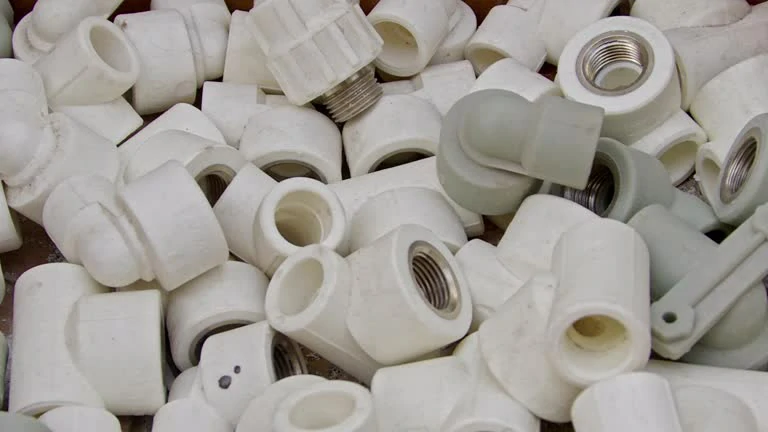
Introduction to Brass Inserts for PPR
Brass inserts for PPR pipes are essential components in modern plumbing systems, ensuring secure and leak-proof connections. They provide a secure connection between PPR pipes and metal fittings. These inserts ensure leak-proof and durable joints in various applications. Brass inserts are highly resistant to corrosion and wear. They are compatible with 25mm PPR pipes, making them versatile. These fittings are commonly used in water supply, heating, and industrial systems. Brass inserts simplify the transition from plastic to metal connections. Their robust design ensures long-term reliability and performance.
Key Features of Brass Inserts
Brass inserts for PPR pipes offer excellent durability and strength. They resist corrosion, ensuring a longer lifespan in plumbing systems. These inserts can withstand high temperatures and pressure. They provide a tight seal, preventing leaks in the connection points. Brass inserts are easy to install with standard plumbing tools. They are compatible with various PPR pipe sizes, including 25mm. Their threaded design ensures a secure and stable connection. Brass inserts are cost-effective and reduce maintenance needs over time.
Applications of Brass Inserts
Brass inserts are widely used in residential water supply systems. They connect PPR pipes to metal fixtures like taps and valves. These fittings are ideal for underfloor heating systems. Brass inserts are also used in industrial fluid transportation setups. They are perfect for connecting PPR pipes to boilers and water heaters. In HVAC systems, brass inserts ensure secure and efficient connections. They are also used in agricultural irrigation systems. Their versatility makes them suitable for diverse plumbing applications.
Tools Required for Installation
Installing brass inserts requires a few essential tools. A PPR pipe cutter ensures clean and precise cuts. A fusion welding machine is necessary for heating and joining. A deburring tool smooths the pipe ends before installation. A wrench helps tighten the brass insert securely. A measuring tape ensures accurate pipe length measurements. A marker or pencil marks the cutting points on the pipe. Safety gloves and goggles protect during the installation process. Having the right tools ensures a smooth and efficient installation.
Step-by-Step Installation Guide
Start by cutting the PPR pipe to the required length. Use a deburring tool to smooth the pipe ends. Heat the pipe end and the brass insert using a fusion welding machine. Insert the heated brass fitting into the pipe end. Hold the connection firmly for a few seconds to ensure bonding. Allow the joint to cool completely before handling. Use a wrench to tighten the connection if necessary. Check for leaks by running water through the system. Proper installation ensures a secure and leak-free connection.
Maintenance and Care Tips
Regularly inspect brass inserts for signs of wear or corrosion. Clean the fittings to prevent blockages and ensure smooth water flow. Avoid exposing brass inserts to harsh chemicals or extreme temperatures. Check the connections periodically to ensure they remain tight and secure. Replace any damaged or worn-out inserts promptly. Follow the manufacturer’s guidelines for maintenance and care. Proper maintenance extends the lifespan of brass inserts. A well-maintained system ensures consistent and reliable performance.
This guide provides a comprehensive overview of brass inserts for PPR pipes, including their features, applications, and installation tips. By following these guidelines, you can ensure a durable and efficient plumbing system. Brass inserts are a reliable solution for connecting PPR pipes to metal fittings, offering long-term performance and leak-free connections.
Common Mistakes to Avoid During Installation
Avoid cutting PPR pipes unevenly, as it can lead to poor connections. Never skip deburring the pipe ends, as rough edges can cause leaks. Do not overheat the pipe or brass insert during fusion welding. Overheating can weaken the material and compromise the joint’s integrity. Ensure the brass insert is fully inserted into the pipe for a secure fit. Avoid rushing the cooling process, as it can weaken the bond. Do not overtighten the connections, as it may damage the threads. Always test the system for leaks after installation to ensure proper functionality. By avoiding these mistakes, you can achieve a reliable and long-lasting installation.
Product Standards
PPR ball valves comply with several international standards to ensure quality and performance. ISO 15874 and EN 15874 establish the requirements for PPR piping systems, including mechanical properties and durability. ASTM F2389 defines the specifications for polypropylene pipes and fittings used in pressurized applications. DIN 8077/8078 sets the dimensional and material requirements for PPR pipes, ensuring compatibility with various valve types. GB/T 18742 outlines the technical parameters for PPR piping systems in China, covering aspects such as pressure resistance and thermal stability. NBR 15884 serves as the Brazilian standard for PPR pipes, guaranteeing compliance with local plumbing regulations. These standards ensure that PPR ball valves deliver reliable performance in residential, commercial, and industrial applications.
Contact
IFAN is a professional manufacturer with 30 years of experience, dedicated to producing high-quality plastic pipes, fittings, and valves. Our products include brass valves, PPR valves, as well as various pipes and fittings to meet different customer needs. Whether you need plumbing and drainage pipes or valve products. IFAN can provide a diverse range of high-quality, cost-effective products to support your projects. Below is our contact information.
We will reply your email or fax within 24 hours.
You can call us at any time if there is any question on our production.
Pls Mailto: [email protected]
Whatsapp: +8619884503412










Recent Comments