
Brass inserts for 25mm PPR pipes are essential components in modern plumbing systems. These small but robust fittings enhance the durability and performance of PPR (Polypropylene Random Copolymer) piping networks. Brass inserts provide secure connections, prevent leaks, and ensure compatibility with other materials. The 25mm size is particularly popular for residential and small-scale commercial applications. This guide explores the key features, benefits, applications, and installation of brass inserts for 25mm PPR pipes, offering a comprehensive understanding of their role in plumbing systems.
What Are Brass Inserts for 25mm PPR Pipes?
Brass inserts are threaded metal fittings embedded into 25mm PPR pipes or fittings. They create a sturdy connection point for joining pipes, valves, or other equipment. Made from high-quality brass, these inserts resist corrosion and withstand high temperatures. They come in various designs to match different PPR pipe dimensions. Brass inserts ensure compatibility with other piping materials, such as metal or PVC. For example, they enable 25mm PPR pipes to connect seamlessly with brass valves in a heating system. Their versatility makes them indispensable in modern plumbing and industrial applications.
Key Features of Brass Inserts
Brass inserts for 25mm PPR pipes boast several key features. They resist corrosion, ensuring long-term durability in water or chemical-rich environments. These inserts withstand high temperatures, making them ideal for hot water systems. Their robust design handles high pressure without deformation. Brass inserts provide excellent sealing properties, minimizing fluid loss. They are easy to install and maintain, reducing labor costs. For instance, in a residential plumbing system, brass inserts ensure reliable connections for years. Their compatibility with various materials adds flexibility to system design and installation.
Benefits of Using Brass Inserts
Brass inserts offer numerous advantages in 25mm PPR systems. They enhance the mechanical strength of connections, reducing the risk of leaks. Their corrosion resistance ensures long-term durability, even in harsh environments. Brass inserts withstand high temperatures, making them ideal for hot water systems. They provide excellent sealing properties, minimizing fluid loss. These inserts simplify maintenance by allowing easy disassembly and reassembly. For example, in a heating system, brass inserts ensure consistent performance under high temperatures. Their reliability and efficiency make them a preferred choice for modern plumbing.
Applications of Brass Inserts
Brass inserts for 25mm PPR pipes find use in a wide range of applications. They connect pipes to valves, pumps, and other equipment in plumbing systems. In heating systems, they link pipes to radiators and boilers. Industrial applications include chemical processing and water treatment plants. Brass inserts also serve in irrigation systems for agricultural purposes. Their ability to handle high pressure and temperature makes them ideal for diverse environments. For instance, in a commercial building, brass inserts ensure efficient water distribution. Their adaptability makes them essential in modern infrastructure projects.
Installation Process for Brass Inserts
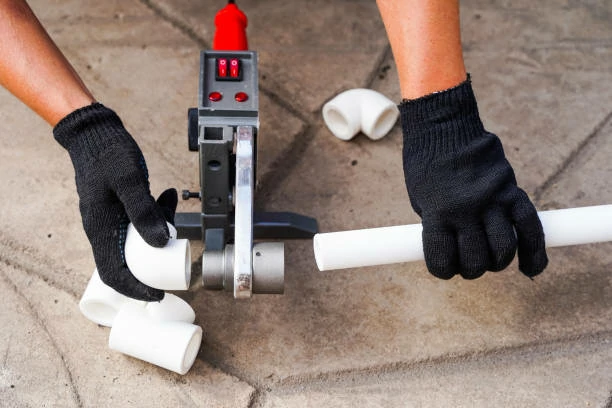
Installing brass inserts requires precision and proper tools. First, heat the 25mm PPR pipe end using a welding machine. Insert the brass fitting into the heated pipe end while it is still soft. Hold the fitting in place until the PPR material cools and solidifies. Ensure the connection is secure and leak-free. Use a torque wrench to tighten threaded connections properly. Always follow manufacturer guidelines for specific installation steps. Proper installation guarantees a durable and reliable connection. For example, in a water treatment plant, precise installation ensures uninterrupted operation.
Durability of Brass Inserts
Brass inserts are highly durable due to their material properties. Brass resists corrosion, even in water or chemical-rich environments. It withstands high temperatures, making it suitable for hot water systems. Brass inserts maintain their integrity under high pressure, ensuring long-term performance. Their robust design minimizes wear and tear, even in demanding applications. For instance, in industrial settings, brass inserts endure harsh conditions without failure. Their durability reduces maintenance costs and extends the lifespan of PPR systems. This makes them a cost-effective solution for both residential and industrial projects.
Performance in High-Temperature Environments
Brass inserts excel in high-temperature applications, such as heating systems. They maintain their strength and sealing properties under extreme heat. This ensures reliable performance in hot water distribution and radiator connections. Brass inserts prevent leaks and failures, even in continuous high-temperature use. For example, in a central heating system, brass inserts ensure consistent heat distribution. Their thermal stability makes them ideal for applications requiring heat resistance. This performance advantage enhances the overall efficiency and safety of PPR systems.
Compatibility with Other Materials
Brass inserts enhance the compatibility of 25mm PPR systems with other materials. They enable PPR pipes to connect with metal, PVC, or CPVC components. This flexibility simplifies system design and installation. Brass inserts ensure secure and leak-proof connections across different materials. For instance, in a mixed-material plumbing system, brass inserts bridge the gap between PPR and metal pipes. Their adaptability makes them suitable for diverse projects, from residential plumbing to industrial pipelines. This compatibility reduces the need for specialized fittings, saving time and costs.
In conclusion, brass inserts for 25mm PPR pipes are essential components in modern plumbing systems. They enhance connections, resist corrosion, and withstand high temperatures. Proper installation and selection ensure reliable and efficient system operation. Whether for residential, commercial, or industrial use, brass inserts play a crucial role in modern piping systems. By understanding their benefits and applications, you can optimize your PPR systems for long-term success.
Product Standards
PPR ball valves comply with several international standards to ensure quality and performance. ISO 15874 and EN 15874 establish the requirements for PPR piping systems, including mechanical properties and durability. ASTM F2389 defines the specifications for polypropylene pipes and fittings used in pressurized applications. DIN 8077/8078 sets the dimensional and material requirements for PPR pipes, ensuring compatibility with various valve types. GB/T 18742 outlines the technical parameters for PPR piping systems in China, covering aspects such as pressure resistance and thermal stability. NBR 15884 serves as the Brazilian standard for PPR pipes, guaranteeing compliance with local plumbing regulations. These standards ensure that PPR ball valves deliver reliable performance in residential, commercial, and industrial applications.
Contact
IFAN is a professional manufacturer with 30 years of experience, dedicated to producing high-quality plastic pipes, fittings, and valves. Our products include brass valves, PPR valves, as well as various pipes and fittings to meet different customer needs. Whether you need plumbing and drainage pipes or valve products. IFAN can provide a diverse range of high-quality, cost-effective products to support your projects. Below is our contact information.
We will reply your email or fax within 24 hours.
You can call us at any time if there is any question on our production.
Pls Mailto: [email protected]
Whatsapp: +8619884503412











Recent Comments