
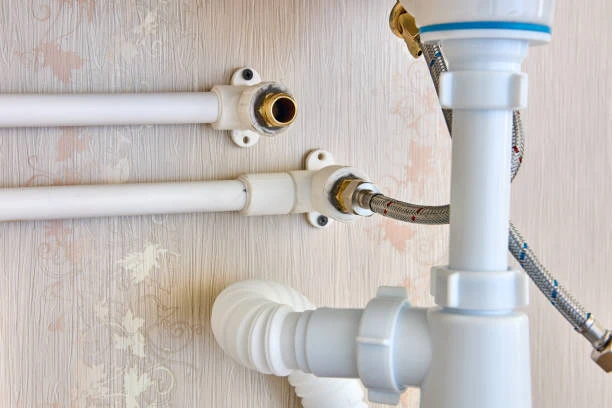
When it comes to industrial and residential fluid transport, the term braided hose flexible stands out as a key component in plumbing, HVAC, and machinery systems. Among the many factors that affect the performance of these hoses, the material used in their construction plays the most critical role. Whether for water supply, gas transfer, or chemical resistance, the right material ensures both durability and flexibility.
This article explores the materials used in flexible braided hoses, their advantages, and how different materials affect overall performance. It also provides answers to common questions, explains key features, and highlights practical uses across industries.
FAQ: Common Questions About Braided Hose Flexible Materials
1. What materials are most commonly used in flexible braided hoses?
Flexible braided hoses typically use inner tubes made of rubber, silicone, or PTFE (Teflon), reinforced with outer braiding made from stainless steel, polyester, or nylon.
2. Why is stainless steel braiding so popular?
Stainless steel offers excellent strength, corrosion resistance, and thermal tolerance. It protects the inner hose from abrasion and external damage while allowing flexibility.
3. How do rubber and silicone differ in flexible hoses?
Rubber is more cost-effective and suitable for general applications, while silicone performs better under high temperatures and is ideal for food-grade or medical uses.
4. Is nylon braiding a good alternative to metal?
Yes, nylon is lighter and more flexible than metal braiding. It’s commonly used where weight and maneuverability are priorities, though it may not be as strong as steel in harsh environments.
5. Can the wrong material choice affect hose performance?
Absolutely. Using the wrong inner or outer material can lead to hose failure due to chemical incompatibility, temperature extremes, or pressure issues.
What Is a Braided Hose Flexible?
A braided hose flexible is a type of hose designed to transport fluids or gases while withstanding internal pressure and external force. It consists of an inner core (which carries the media) and an outer braid that reinforces the structure. The “braided” part usually refers to the mesh-like reinforcement layer, while “flexible” indicates that the hose can bend and adapt to various angles and spaces.
Flexibility is essential in environments where rigid piping would be difficult to install or maintain. The braided layer, often made of metal or high-strength fibers, allows the hose to handle high pressure while resisting expansion and external damage.
Material Types and Their Characteristics
Choosing the right material for both the inner hose and outer braiding depends on the intended use. Here’s a breakdown of commonly used materials:
1. Inner Tube Materials:
- EPDM (Ethylene Propylene Diene Monomer): A rubber-like synthetic material ideal for hot and cold water. Resistant to aging and chemicals but not suitable for oil-based fluids.
- Silicone: Excellent thermal resistance, flexibility, and non-toxicity. Often used in food processing, labs, and medical industries.
- PTFE (Polytetrafluoroethylene): Known for its chemical inertness and extreme temperature resistance. Suitable for aggressive chemicals, high heat, and hygienic environments.
- NBR (Nitrile Butadiene Rubber): Good oil and fuel resistance, commonly used in automotive and industrial applications.
2. Braiding Materials:
- Stainless Steel (usually 304 or 316): Offers outstanding durability, chemical resistance, and high tensile strength. Widely used in heavy-duty, high-pressure environments.
- Polyester Fiber: Lightweight and affordable. Common in lower-pressure or residential applications.
- Nylon Braiding: More flexible than metal, resistant to abrasion, and commonly used in hydraulic systems or automotive applications.
Material Compatibility and Performance
The performance of a flexible braided hose depends on how well the material combination handles the specific application. Here are a few compatibility considerations:
- Chemical Compatibility: PTFE inner tubes are ideal for corrosive chemicals, while EPDM is better suited for water and steam.
- Temperature Range: Silicone can handle up to 200°C, making it suitable for high-temperature operations. In contrast, standard rubber hoses may fail beyond 120°C.
- Pressure Resistance: Stainless steel braiding significantly increases pressure capacity. Polyester or nylon may suffice for lighter-duty tasks.
- Flexibility vs. Rigidity: Nylon and polyester offer greater bending capacity, while metal braids prioritize strength.
Selecting the right combination prevents wear, leakage, or failure and extends the service life of the hose.
Common Applications by Material Type
Different industries rely on flexible braided hoses, and their material choices often reflect the specific needs of the environment.
1. Residential Plumbing
Stainless steel braided hoses with EPDM cores are common under sinks, toilets, and appliances. They resist corrosion and handle both hot and cold water.
2. Food & Beverage
Silicone-core hoses with polyester or stainless steel braiding are widely used due to their safety, flexibility, and cleanliness.
3. Automotive
NBR inner tubes with nylon braiding are found in fuel lines and hydraulic systems where oil resistance and flexibility are critical.
4. Chemical Processing
PTFE hoses with stainless steel braiding dominate this sector due to their resistance to aggressive chemicals and extreme temperatures.
5. Medical and Laboratory
Platinum-cured silicone hoses offer unmatched purity, flexibility, and thermal resistance, often reinforced with polyester or nylon fibers.
Summary: Choosing the Right Braided Hose Flexible Material
In conclusion, the material used in a braided hose flexible is more than just a technical detail—it directly impacts the hose’s performance, safety, and longevity. Whether it’s the inner tubing or the outer braid, choosing materials based on application-specific needs ensures long-term efficiency.
For most users, stainless steel remains a reliable outer material, while silicone, EPDM, or PTFE are selected depending on the media transported. Understanding these material options allows users to make informed decisions, reduce maintenance issues, and improve overall system reliability.
By taking the time to match material properties with application requirements, businesses and homeowners alike can benefit from safe, durable, and cost-effective fluid transport solutions.
Contact
IFAN is a professional manufacturer with 30 years of experience, dedicated to producing high-quality plastic pipes, fittings, and valves. Our products include brass valves, PPR valves, as well as various pipes and fittings to meet different customer needs. Whether you need plumbing and drainage pipes or valve products. IFAN can provide a diverse range of high-quality, cost-effective products to support your projects. Below is our contact information.
We will reply your email or fax within 24 hours.
You can call us at any time if there is any question on our production.
Pls Mailto:[email protected]



Recent Comments