
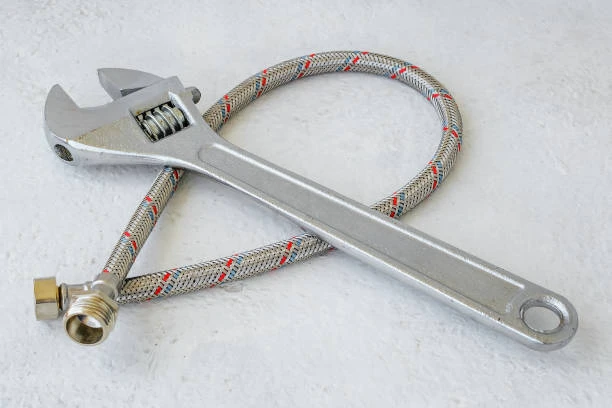
In modern fluid systems, the demand for durable and adaptable components is higher than ever. Among these, the braided hose flexible stands out as a reliable choice in plumbing, HVAC, and industrial applications. Its ability to withstand pressure, resist corrosion, and easily fit into various configurations makes it a preferred solution across industries. However, choosing the right braided hose is not just about material or length—it also depends heavily on compatibility with other system components. This article explores the definition, features, use cases, and most importantly, how to ensure proper fit and compatibility when selecting flexible braided hoses.
Frequently Asked Questions (FAQ)
1. What does “braided hose flexible” mean?
It refers to a hose reinforced with braided wire or fibers that allows it to be both durable and bendable. It combines flexibility with strength.
2. How can I know if a braided hose is compatible with my system?
Check connection types, thread size, pressure ratings, temperature ranges, and material compatibility with the fluid being transported.
3. Are braided flexible hoses universal?
No. While many come with standard fittings, not all braided hoses are interchangeable. Always verify specifications before installation.
4. Can flexible braided hoses be used for both hot and cold water?
Yes, most models are suitable for both, but you must confirm the temperature limits of the specific hose.
5. Do flexible braided hoses require specific connectors or adapters?
In many cases, yes. Using the right fittings ensures a leak-proof connection and long-term durability.
What Is a Braided Hose Flexible?
A braided hose flexible is a type of hose that incorporates a core tube surrounded by a braided outer layer, usually made from stainless steel, polyester, or nylon. The braided layer provides resistance to high pressure while allowing the hose to bend and flex easily. This combination of strength and flexibility makes it suitable for environments where rigid piping cannot be used or would be impractical.
The hose typically features end fittings (threaded, compression, quick-connect) that enable connection to fixtures, valves, or appliances. The inner tube is often made of rubber, PEX, silicone, or EPDM to ensure flexibility and fluid resistance.
Key Features and Characteristics
To better understand compatibility, it’s essential to explore the main features of flexible braided hoses:
1. Material Versatility
- Outer Braid: Stainless steel is most common, providing corrosion resistance and durability.
- Inner Tube: Options include EPDM for water, PTFE for chemicals, and silicone for high-temperature fluids.
2. Pressure and Temperature Resistance
- Hoses are designed to withstand significant pressure levels (up to 150 psi or more) and a wide range of temperatures (-20°C to 120°C or beyond depending on the type).
3. Flexible Design
- The braided structure allows easy bending without kinking, ideal for tight or complex installations.
4. Length and Diameter Variations
- Available in various sizes, typically ranging from 1/4 inch to 1 inch in diameter, with lengths from 30 cm up to several meters.
5. Standardized Fittings
- Common connection types include BSP, NPT, compression, and push-fit. Proper matching ensures leak-free performance.
Common Applications and Industries
The braided hose flexible is used in a wide variety of sectors due to its adaptability and robust structure. Below are the main industries and applications where compatibility plays a vital role.
1. Residential Plumbing
Used to connect taps, toilets, water heaters, and washing machines. The hoses must match the thread size and material of the appliance and plumbing system.
2. HVAC Systems
In heating, ventilation, and air conditioning, flexible hoses are used to connect water or refrigerant lines. They must handle pressure fluctuations and thermal expansion.
3. Food and Beverage
Hoses made of food-grade materials like silicone or PTFE are used for transferring water, milk, or beer. Fittings need to comply with hygiene standards and sanitary connections.
4. Chemical and Pharmaceutical Industries
Special hoses with chemical-resistant linings and high-grade stainless steel braids are selected. Compatibility with fluid composition and corrosion risk is key.
5. Automotive and Marine
Flexible hoses are employed in engine cooling systems and fuel lines, where space is limited and movement is expected. Fittings should resist vibration and temperature changes.
Understanding Compatibility: The Key to Safe and Efficient Use
Selecting a braided hose flexible is not just a matter of choosing the right length or brand. It’s about ensuring the hose will integrate seamlessly with your existing system. Here’s what you need to consider for a proper fit:
1. Matching Thread Standards
Different regions and industries use different thread types. For example:
- BSP (British Standard Pipe): Common in Europe and Asia.
- NPT (National Pipe Thread): Standard in North America.
Using the wrong type can cause leaks or damage. Always check the thread type on both the hose and the equipment.
2. Diameter and Flow Capacity
Ensure the internal diameter of the hose matches the system’s flow requirements. Too narrow and you risk pressure drop; too wide and the connection may not seal properly.
3. End Fittings and Connectors
Choose hoses with the correct end fittings (e.g., male/female, elbow/straight). For unique connections, adapters or custom fittings may be needed.
4. Material Compatibility
Make sure the hose material is chemically resistant to the fluid being transferred. For example, avoid EPDM for oil-based fluids, or standard stainless steel in highly acidic environments.
5. Pressure and Temperature Ratings
Never exceed the hose’s rated limits. Select a hose that matches or exceeds the system’s working pressure and operating temperature to avoid failure.
Additional Compatibility Tips
1. Use Manufacturer’s Data Sheets
Before purchasing, review technical documents to confirm dimensions, specifications, and recommended uses.
2. Test for Leaks Before Full Use
Install the hose and run a low-pressure test first. Check for any signs of leakage or misfit at connection points.
3. Avoid Overbending
Even flexible hoses have a minimum bend radius. Overbending can damage the braid or inner tube, reducing performance.
4. Check for Certification
Certified hoses (e.g., NSF, WRAS, CE) ensure compatibility with standards in safety, hygiene, and mechanical performance.
5. Inspect Periodically
Flexible braided hoses should be inspected for wear, corrosion, or cracks—especially at the ends—at regular intervals.
Conclusion
The braided hose flexible is a versatile and essential component in many fluid systems, offering durability, ease of installation, and adaptability. However, its effectiveness depends largely on compatibility with other system elements. By carefully considering thread standards, fittings, material resistance, and technical specifications, users can ensure safe, long-lasting performance across a range of applications.
Whether you’re outfitting a kitchen sink, an HVAC unit, or a pharmaceutical processing line, choosing the right braided flexible hose is not just about convenience—it’s about precision and safety. Always measure, match, and confirm before you connect.
If you’re looking for high-quality flexible braided hoses designed for perfect compatibility, explore certified options and consult with experienced suppliers to get the best match for your system.
IFAN Quality and Building Standards
As a trusted brand in plumbing and building systems, IFAN offers stainless steel braided hoses engineered to meet international building regulations. All IFAN hoses meet or exceed:
- ISO 10380 standards for mechanical performance
- WRAS and NSF certifications for potable water safety
- CE-marked products in line with EU building codes
- 304 and 316 stainless steel braiding for maximum durability
- Strict factory testing for burst pressure, fatigue, and thermal performance
Whether for commercial towers, schools, hospitals, or private homes, IFAN hoses provide a reliable, high-quality solution for every building environment.
Contact
IFAN is a professional manufacturer with 30 years of experience, dedicated to producing high-quality plastic pipes, fittings, and valves. Our products include brass valves, PPR valves, as well as various pipes and fittings to meet different customer needs. Whether you need plumbing and drainage pipes or valve products. IFAN can provide a diverse range of high-quality, cost-effective products to support your projects. Below is our contact information.
We will reply your email or fax within 24 hours.
You can call us at any time if there is any question on our production.
Pls Mailto:[email protected]



Recent Comments