
Introduction: Why the Braided Dishwasher Hose Matters More Than You Think
In the heart of every efficient kitchen lies a reliable dishwasher, quietly handling the daily task of cleaning dishes. While the dishwasher itself gets most of the attention, one often overlooked component plays a critical role in its safe and smooth operation—the braided dishwasher hose. This simple yet essential accessory ensures water flows efficiently into your dishwasher, prevents leaks, and protects your kitchen from potential damage.
Though it may not be the most visible part of your appliance setup, the braided hose provides the durability, pressure resistance, and reliability that every dishwasher needs to function correctly. In this article, we’ll dive into why the braided dishwasher hose is so important, what it’s made of, where it’s used, and how it supports both residential and commercial applications. We’ll also answer some frequently asked questions and offer practical insights for homeowners and professionals alike.
Frequently Asked Questions (FAQ)
1. Why is the braided dishwasher hose considered an essential component?
It connects your dishwasher to the water supply and ensures consistent water flow without leaks or pressure issues. Without a reliable hose, even the best dishwasher cannot perform properly.
2. What makes a braided hose better than a standard rubber hose?
The braided design, often reinforced with stainless steel or nylon, offers higher resistance to pressure, heat, and damage. This strength significantly reduces the risk of bursting or leaks.
3. Can a faulty dishwasher hose cause kitchen damage?
Yes. A worn or broken hose can lead to water leaks, which may damage cabinets, flooring, and even electrical components. Using a strong braided hose helps prevent these costly issues.
4. Is the braided dishwasher hose suitable for both hot and cold water?
Absolutely. It’s designed to handle a wide range of temperatures, including the high heat from dishwashing cycles, without deforming or weakening.
5. How often should a braided dishwasher hose be replaced?
Typically, these hoses last between 5 to 10 years. However, it’s smart to inspect them annually and replace them if there are any signs of wear, rust, or leaks.
What Is a Braided Dishwasher Hose? Definition and Key Characteristics
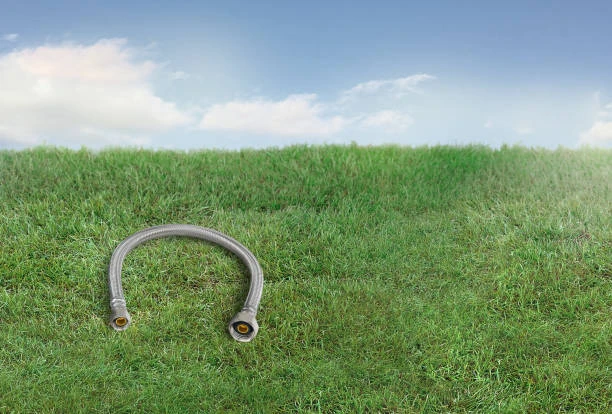
A braided dishwasher hose is a high-pressure, flexible pipe used to connect your dishwasher to a water supply line. Unlike traditional hoses made from plain rubber or plastic, braided hoses feature a tough outer mesh that reinforces the inner tubing. This outer layer is typically made from stainless steel or synthetic fibers like nylon, giving the hose a combination of strength, flexibility, and reliability.
Notable Characteristics That Highlight Its Importance:
- Pressure Resistance: The braided design prevents the hose from bursting under high water pressure.
- Flexibility: Even with its reinforced structure, the hose bends easily to fit into tight cabinet spaces without kinking.
- Temperature Tolerance: Designed for both hot and cold water, it withstands high heat generated by dishwasher cycles.
- Leak Prevention: Secure fittings and tight weaves help reduce the risk of leaks, promoting safety and cleanliness.
- Durability: Resistant to corrosion, abrasion, and aging, these hoses last much longer than their rubber counterparts.
Each of these features contributes to the hose’s vital role in maintaining the integrity and functionality of your kitchen’s plumbing.
Applications and Industries That Rely on Braided Dishwasher Hoses
Because of their strength and flexibility, braided dishwasher hoses are used in a variety of environments. Their importance extends beyond just home kitchens.
Where They’re Commonly Used:
- Residential Homes: Homeowners depend on braided hoses to connect dishwashers securely and reduce the risk of flooding or appliance failure.
- Restaurants and Cafés: In commercial kitchens, dishwashers run constantly. A dependable hose keeps operations running without delays.
- Hotels and Hospitality Venues: Cleanliness is key in hospitality. Reliable dishwasher hoses ensure that dishwashing systems perform consistently.
- Mobile Kitchens and Food Trucks: Compact kitchens need hoses that can bend around tight corners but still deliver high water pressure—an ideal job for braided hoses.
- Property Renovations and Installations: Plumbers and contractors choose braided hoses for remodels because they’re easy to install and trusted to last.
In all of these industries, one common goal remains: avoiding downtime, leaks, or malfunctions. That’s why choosing the right hose is such a crucial step.
The Role of the Braided Dishwasher Hose in Kitchen Safety and Performance
Safety, efficiency, and performance are all interconnected when it comes to kitchen plumbing. A braided dishwasher hose directly contributes to all three. Let’s explore how:
- Prevents Costly Water Damage
A poorly made or aging hose may rupture, causing water to pool inside cabinets or under flooring. A high-quality braided hose helps avoid these risks. - Supports Energy and Water Efficiency
Dishwashers rely on steady water pressure to perform optimally. A consistent supply from a reliable hose helps avoid wasted water and extended cycle times. - Simplifies Installation
The flexibility and standard fittings of braided hoses make them easy to install, saving both time and labor. - Enhances Dishwasher Lifespan
By delivering steady, uncontaminated water, the hose protects internal dishwasher components, reducing the likelihood of breakdowns. - Improves Hygiene
Braided hoses resist internal buildup of mold or bacteria due to their smooth linings and sealed structure, promoting better sanitation in your kitchen.
These points underline how something as simple as a hose can have far-reaching effects on safety, cleanliness, and overall appliance performance.
Maintenance Tips to Extend Hose Life and Protect Your Kitchen
Taking care of your braided dishwasher hose helps ensure long-term performance. Here are a few practical steps:
- Inspect Annually: Check for signs of wear, such as fraying, bulging, or rust on fittings.
- Replace Proactively: Don’t wait for leaks—replace your hose every 5–10 years or sooner if you notice damage.
- Clean the Area: Keep the space around the hose clean and dry to prevent mold or mildew buildup.
- Avoid Over-Bending: When installing, make sure the hose has gentle curves rather than sharp bends.
- Secure It Properly: Use clamps or brackets if necessary to keep the hose from moving too much, especially during dishwasher cycles.
Routine care goes a long way in preserving not just the hose but also your appliance and the surrounding cabinetry.
Conclusion: A Small Component with Major Importance
The braided dishwasher hose may not be flashy, but it plays an incredibly important role in the overall function and safety of your kitchen. From ensuring clean water delivery to preventing dangerous leaks, this simple component protects your home and enhances your dishwasher’s performance. Whether you’re a homeowner, installer, or commercial kitchen operator, choosing a reliable braided hose is a smart move that brings peace of mind and long-term benefits.
By understanding its features, applications, and maintenance needs, you can make informed choices and avoid many of the common issues related to dishwasher water supply. In the end, the importance of a braided dishwasher hose lies in its ability to quietly and effectively do its job—day after day, year after year.
Contact
IFAN is a professional manufacturer with 30 years of experience, dedicated to producing high-quality plastic pipes, fittings, and valves. Our products include brass valves, PPR valves, as well as various pipes and fittings to meet different customer needs. Whether you need plumbing and drainage pipes or valve products. IFAN can provide a diverse range of high-quality, cost-effective products to support your projects. Below is our contact information.
We will reply your email or fax within 24 hours.
You can call us at any time if there is any question on our production.
Pls Mailto:[email protected]









Recent Comments