
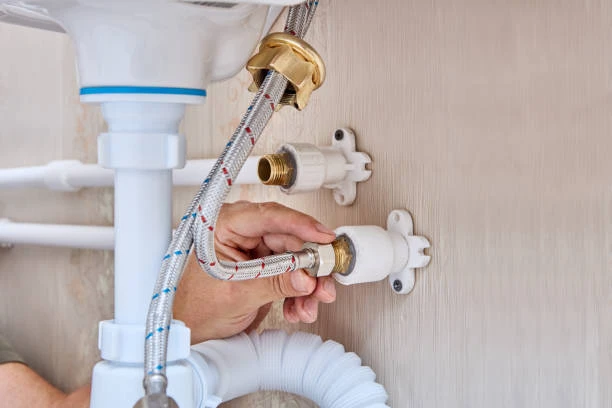
Introduction to Water PPR Fittings
Water PPR (Polypropylene Random Copolymer) fittings have gained significant attention in the plumbing industry due to their durability, chemical resistance, and ease of installation. However, despite their numerous advantages, several barriers hinder their widespread adoption. These challenges range from market competition and cost considerations to technical limitations and lack of awareness. Understanding these barriers is essential for stakeholders to address them effectively and promote the use of PPR fittings in plumbing systems.
Market Competition from Traditional Materials
One of the primary barriers to the adoption of water PPR fittings is the strong competition from traditional materials like metal and PVC. For decades, copper, galvanized steel, and PVC pipes have dominated the plumbing industry. Many contractors and builders are accustomed to working with these materials and may hesitate to switch to PPR fittings due to familiarity and established practices. Additionally, the perception that traditional materials are more robust or reliable can deter potential users from exploring PPR fittings, even though PPR offers comparable or superior performance in many applications.
Higher Initial Costs
While water PPR fittings offer long-term cost savings due to their durability and low maintenance requirements, their initial cost can be a deterrent. PPR fittings and pipes often come with a higher upfront price compared to traditional materials like PVC. This cost difference can be a significant barrier, especially for budget-conscious projects or in regions where cost sensitivity is high. Builders and homeowners may opt for cheaper alternatives without considering the long-term benefits of PPR fittings, such as reduced repair and replacement costs over time.
Limited Technical Expertise and Training
The installation of water PPR fittings requires specific techniques, such as heat fusion, which may not be familiar to all plumbers and contractors. Unlike traditional materials that can be joined using simple tools and methods, PPR fittings demand specialized equipment and training. The lack of skilled professionals who are proficient in installing PPR fittings can slow down their adoption. Additionally, the need for training programs and certifications can add to the overall cost and complexity, making it challenging for small-scale contractors to embrace this technology.
Perception of Strength and Durability
Another barrier is the perception that plastic-based materials like PPR are less durable or strong compared to metal fittings. While PPR fittings are highly resistant to corrosion, chemicals, and high temperatures, some stakeholders may still view them as inferior to traditional metal options. This misconception can stem from past experiences with lower-quality plastic pipes or a lack of understanding of the advanced properties of PPR. Overcoming this perception requires educating the market about the proven performance and longevity of PPR fittings in various applications.
Limited Availability and Supply Chain Issues
In some regions, the availability of water PPR fittings can be limited due to underdeveloped supply chains or a lack of local manufacturers. This scarcity can lead to higher costs and longer lead times, discouraging builders and contractors from choosing PPR fittings. Additionally, the reliance on imports in certain areas can make PPR fittings less accessible, especially in remote or developing regions. Strengthening the supply chain and encouraging local production can help address this barrier and make PPR fittings more widely available.
Lack of Awareness and Education
A significant barrier to the adoption of water PPR fittings is the lack of awareness and education among end-users, including homeowners, builders, and even some professionals. Many people are unaware of the benefits of PPR fittings, such as their resistance to corrosion, ease of installation, and environmental advantages. Without proper education and marketing efforts, potential users may not consider PPR fittings as a viable option. Increasing awareness through workshops, demonstrations, and case studies can help bridge this knowledge gap and drive greater adoption.
Conclusion
While water PPR fittings offer numerous advantages for modern plumbing systems, several barriers hinder their widespread adoption. These include market competition from traditional materials, higher initial costs, limited technical expertise, misconceptions about durability, supply chain challenges, and a lack of awareness. Addressing these barriers requires a concerted effort from manufacturers, industry stakeholders, and policymakers. By investing in education, training, and infrastructure, the plumbing industry can overcome these challenges and unlock the full potential of water PPR fittings, paving the way for more efficient and sustainable plumbing solutions.
Contact
IFAN is a professional manufacturer with 30 years of experience, dedicated to producing high-quality plastic pipes, fittings, and valves. Our products include brass valves, PPR valves, as well as various pipes and fittings to meet different customer needs. Whether you need plumbing and drainage pipes or valve products. IFAN can provide a diverse range of high-quality, cost-effective products to support your projects. Below is our contact information.
We will reply your email or fax within 24 hours.
You can call us at any time if there is any question on our production.
Pls Mailto: [email protected]
Whatsapp: + 86 19857948982





Recent Comments