
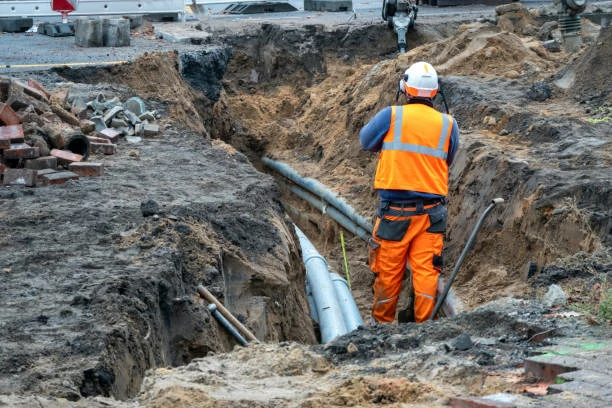
PVC pipes have become a popular choice for plumbing due to their durability, affordability, and ease of installation. Homeowners and contractors alike prefer PVC pipes for their cost-effectiveness and long-lasting performance. Whether you are working on a small home repair or a large construction project, understanding the factors that influence PVC pipe prices can help you make informed decisions.
Understanding PVC Pipe Materials
PVC, or polyvinyl chloride, is a synthetic plastic polymer widely used in plumbing systems. Manufacturers produce PVC pipes in various sizes and thicknesses to meet different plumbing needs. The material’s resistance to corrosion and chemicals makes it ideal for both residential and commercial applications. Additionally, PVC pipes are lightweight, reducing transportation and installation costs. These features contribute to their affordability compared to metal pipes.
Factors Influencing PVC Pipe Prices
Several factors affect the cost of PVC pipes. The diameter and length of the pipe play a significant role in determining the price. Larger pipes cost more due to the increased material required. The thickness, or schedule, of the pipe also impacts pricing. Thicker pipes, designed for higher pressure applications, come at a higher cost. Market demand and supply chain fluctuations can further influence prices, making it essential to compare options before purchasing.
Comparing PVC Pipe Prices with Other Materials
When compared to metal pipes like copper or galvanized steel, PVC pipes offer significant cost savings. Copper pipes, while durable, are expensive and require skilled labor for installation. Galvanized steel pipes, though sturdy, are prone to rust and corrosion over time. PVC pipes provide a budget-friendly alternative without compromising on quality. For example, a 10-foot PVC pipe may cost around 10,whileasimilarcopperpipecouldexceed10,whileasimilarcopperpipecouldexceed50.
Benefits of Using PVC Pipes in Plumbing
PVC pipes offer numerous advantages beyond affordability. They are easy to cut and assemble, reducing labor costs and installation time. Their smooth interior surface minimizes friction, improving water flow efficiency. PVC pipes also resist scaling and buildup, ensuring consistent performance over time. These benefits make them a practical choice for both new installations and replacements.
Common Applications of PVC Pipes
PVC pipes serve a wide range of plumbing applications. They are commonly used for drain, waste, and vent (DWV) systems in residential buildings. In irrigation systems, PVC pipes efficiently transport water to gardens and farms. Contractors also use PVC pipes in commercial settings for sewage and water supply lines. Their versatility and affordability make them suitable for diverse projects.
Tips for Finding Affordable PVC Pipes
To get the best deals on PVC pipes, consider purchasing in bulk from wholesale suppliers. Many retailers offer discounts for large orders, reducing the overall cost per unit. Comparing prices across multiple vendors can also help you identify the most affordable options. Additionally, keep an eye out for seasonal sales or promotions, which can further lower expenses.
Environmental Impact of PVC Pipes
While PVC pipes are cost-effective, it’s important to consider their environmental impact. PVC production involves the use of chlorine and other chemicals, which can harm the environment. However, many manufacturers now produce eco-friendly PVC pipes using recycled materials. Choosing these sustainable options can help reduce your carbon footprint while maintaining affordability.
Conclusion
Affordable PVC pipe prices make them an excellent choice for various plumbing needs. Their durability, ease of installation, and cost-effectiveness set them apart from traditional materials. By understanding the factors that influence pricing and exploring different purchasing options, you can find high-quality PVC pipes that fit your budget. Whether for residential or commercial use, PVC pipes provide a reliable and economical solution for modern plumbing systems.
IFAN International Standard
IFAN PVC pipes and fittings are manufactured in compliance with a wide range of international standards to ensure the highest quality and performance. These include ASTM D1785 SCH40 and SCH80 for pressure piping, ASTM F441/F441M SCH80 for chlorinated PVC, and ASTM D2665 for DWV (Drain, Waste, and Vent) applications. Additionally, our products meet DIN 8079/8080 and DIN 8061/8062 for European specifications, GB/T 18993 and GB/T 10002 for Chinese standards, and ISO 1452 and EN ISO 1452 for global and European quality benchmarks. We also adhere to AS/NZS 1477 for Australian and New Zealand markets, CSA B137.3 and B137.6 for Canadian requirements, and NSF/ANSI 14 for safe drinking water systems. Furthermore, our products comply with TIS 17-2532/1131-2535 for Thai industrial standards, BS 3505 and BS 4346 for British specifications, and JIS K6741 for Japanese standards. This comprehensive adherence ensures our PVC pipes and fittings are suitable for diverse applications, including water supply, drainage, and industrial systems, while meeting global safety and performance expectations.
Contact
IFAN is a professional manufacturer with 30 years of experience, dedicated to producing high-quality plastic pipes, fittings, and valves. Our products include brass valves, PPR valves, as well as various pipes and fittings to meet different customer needs. Whether you need plumbing and drainage pipes or valve products. IFAN can provide a diverse range of high-quality, cost-effective products to support your projects. Below is our contact information.
We will reply your email or fax within 24 hours.
You can call us at any time if there is any question on our production.
Pls Mailto:[email protected]





Recent Comments