

The Role of PPR Fittings in Plumbing Systems
Polypropylene Random Copolymer (PPR) fittings have become integral components in modern plumbing systems due to their durability, resistance to corrosion, and ease of installation. These fittings are essential for connecting various segments of piping systems, whether in residential, commercial, or industrial applications. PPR fittings come in a wide range of types, each designed for specific functions within a plumbing system. This article will explore the different types of PPR fittings, their uses, and how they contribute to the efficiency and reliability of plumbing installations.
Elbow Fittings: Turning the Flow in the Right Direction
Elbow fittings are among the most commonly used PPR fittings. These fittings are designed to change the direction of fluid flow within a piping system. Available in a range of angles, the most common being 45-degree and 90-degree elbows, they allow pipes to navigate around obstacles or alter their path. Elbow fittings are crucial for ensuring that the flow of water or other fluids follows the most efficient route without causing unnecessary pressure loss. They provide flexibility in installation, enabling plumbers to create a more customized and optimized plumbing layout.
Tee Fittings: Branching Out to New Directions
Tee fittings are used to create branch connections in a plumbing system. With one inlet and two outlets, tee fittings allow for the splitting of fluid flow into two separate directions, making them ideal for distributing water to multiple locations. These fittings come in both equal and reducing designs, with equal tees connecting pipes of the same diameter and reducing tees connecting pipes of different sizes. Tee fittings are vital for any system that requires branching, whether it’s to connect multiple appliances, distribute water to various parts of a building, or enable multi-zone heating systems.
Coupling Fittings: Connecting Pipe Segments with Ease
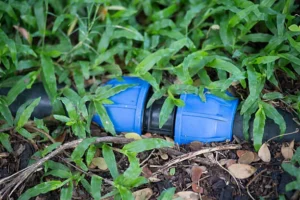
Coupling fittings are used to join two sections of pipe together, ensuring a continuous flow of water or fluid. These fittings come in various sizes to accommodate different pipe diameters, allowing for a secure connection between sections of piping. The simplicity of coupling fittings ensures a quick and reliable connection, making them one of the most essential and versatile components in any PPR piping system.
Reducer Fittings: Adapting to Changing Pipe Sizes
Reducer fittings are used when there is a need to connect pipes of different sizes. These fittings help transition from a larger diameter pipe to a smaller one or vice versa, depending on the needs of the system. Reducers come in two primary types: concentric and eccentric. Concentric reducers maintain a centered alignment between the two pipes, while eccentric reducers shift the centerline to accommodate specific system requirements, such as preventing air pockets or maintaining a smooth flow of fluid. Reducer fittings ensure that the fluid transitions smoothly between pipes of different diameters without causing disruptions in flow or pressure.
Union Fittings: Simplifying Disconnection and Maintenance
Union fittings provide a convenient way to join two pipes while allowing for easy disconnection when needed. These fittings are particularly useful in systems that require regular maintenance, inspections, or upgrades. A union fitting consists of three parts: two threaded ends and a central nut. Their ease of installation and disassembly makes unions a valuable tool in both residential and industrial plumbing projects.
Cap and Plug Fittings: Sealing Open Pipe Ends
These fittings come in various sizes to match the pipe diameter and ensure a secure seal. Caps and plugs play an essential role in preventing debris from entering the pipes, protecting the system during installation, and providing a temporary seal during maintenance or when a section of the system is not in use.
Conclusion: Choosing the Right PPR Fitting for the Job
The wide variety of PPR fittings available allows for customized and efficient plumbing solutions. From elbow and tee fittings that redirect and branch fluid flow, to couplings, reducers, and unions that ensure secure connections, each type of fitting plays a unique role in ensuring the proper function of a plumbing system. Transition fittings also enable the integration of PPR pipes with other materials, while cap and plug fittings provide valuable sealing capabilities. By understanding the different types of PPR fittings and their specific uses, plumbers can make informed decisions to achieve optimal system performance, durability, and ease of maintenance.
PPR products meet and exceed global standards, including ISO 15874, EN 15874, ASTM F2389, DIN 8077/8078, GB/T 18742, and NBR 15884. Engineered for durability, performance, and reliability, PPR ensures top-notch quality across a wide range of applications. Choose IFAN for high-performance piping solutions that adhere to the most stringent international standards.
Contact
IFAN is a professional manufacturer with 30 years of experience, dedicated to producing high-quality plastic pipes, fittings, and valves. Our products include brass valves, PPR valves, as well as various pipes and fittings to meet different customer needs. Whether you need plumbing and drainage pipes or valve products. IFAN can provide a diverse range of high-quality, cost-effective products to support your projects. Below is our contact information.
We will reply your email or fax within 24 hours.
You can call us at any time if there is any question on our production.
Pls Mailto: [email protected]
Whatsapp: + 86 19857948982







Recent Comments