
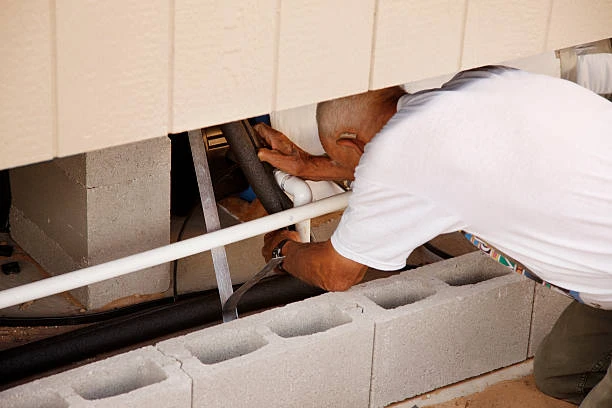
Introduction: Why Pipe Size Matters
When it comes to plumbing and construction, size really does matter. Choosing the right pipe size can make or break the success of your project. One of the most commonly used pipe sizes for residential and light commercial applications is the 2-inch PVC phttps://pipefittingpro.com/product-category/hdpe-pipe-and-fittings/ipe.
In this guide, we’ll break down exactly where and how 2-inch PVC pipes are used. Whether you’re a DIYer installing a new drainage system or a contractor setting up vent lines, understanding the strengths and common uses of this pipe size will help you work smarter and avoid costly mistakes.
What Is a 2-Inch PVC Pipe?
A 2-inch PVC pipe refers to the nominal diameter of the pipe — not the outside or inside diameter. It’s made from polyvinyl chloride, a type of durable plastic known for its resistance to corrosion, chemicals, and pressure.
This pipe size is incredibly versatile. It offers a good balance between flow capacity and installation ease, making it suitable for a wide range of residential and commercial uses.
Most 2-inch PVC pipes are available in two common types:
- Schedule 40 – Ideal for low-pressure systems like drains or vents
- Schedule 80 – Thicker walls, used in high-pressure or industrial systems
Key Benefits of Using 2-Inch PVC Pipe
Why do so many builders, plumbers, and homeowners rely on 2-inch PVC pipe? Here are the key benefits:
1. Strong and Long-Lasting
PVC is resistant to chemicals, rust, and weather. Once installed, it can last for decades without maintenance.
2. Lightweight and Easy to Work With
Unlike metal pipes, PVC is lightweight and easy to cut or glue. This reduces installation time and labor costs.
3. Affordable and Available
2-inch PVC pipe is readily available at most hardware stores and usually more cost-effective than alternatives like copper or steel.
4. Versatile Applications
It’s suitable for water flow, ventilation, drainage, and even irrigation, making it one of the most flexible options available.
Common Applications of 2-Inch PVC Pipe
Let’s explore the most frequent uses of 2-inch PVC pipe across different industries and home projects.
1. Drainage Systems in Homes
One of the top uses for 2-inch PVC pipe is in residential drainage systems. It’s often used for:
- Sink drains
- Bathtub and shower drains
- Washing machine waste lines
Why? Because it’s large enough to handle significant water flow without clogging, but small enough to install easily in tight wall cavities.
💡 Tip: Use Schedule 40 for residential drains—it’s strong enough and more cost-effective.
2. Venting Plumbing Fixtures
Plumbing fixtures need proper venting to allow air to enter and gases to exit the system. The 2-inch PVC pipe is commonly used as a vent stack or branch vent in:
- Kitchens
- Bathrooms
- Laundry rooms
This pipe size allows for proper airflow and meets most residential code requirements.
3. Pool and Spa Systems
If you’re installing or repairing a pool or hot tub, you’ll likely use 2-inch PVC pipe. It’s ideal for:
- Water circulation
- Pool filtration systems
- Spa jet lines
Its chemical resistance makes it a smart choice for chlorinated water environments.
4. Landscape and Irrigation Systems
Many homeowners and landscape professionals use 2-inch PVC pipe for irrigation systems. Its flow capacity supports:
- Sprinkler lines
- Drainage ditches
- Water transfer systems in gardens
Because of its durability, you can bury it underground without worrying about corrosion or leakage.
5. Commercial Kitchen Waste Lines
In restaurants and commercial kitchens, the 2-inch pipe is often used for greywater drainage:
- Dishwashers
- Prep sinks
- Floor drains
Its size handles the large water output from commercial equipment and meets most plumbing codes.
6. Air Conditioning and HVAC Systems
Did you know PVC is also used in HVAC applications? A 2-inch pipe can serve as:
- Condensate drain line
- Air exhaust or intake duct (in some cases)
While metal ducts are standard for air flow, PVC offers a cost-effective and moisture-resistant option for drainage.
How to Choose the Right 2-Inch PVC Pipe
1. Check the Pressure Rating
- Use Schedule 40 for low-pressure applications like drains or vents
- Choose Schedule 80 for pressurized systems
2. Consider Temperature Limits
PVC performs best under 140°F (60°C). For high-temperature systems, CPVC or metal may be better.
3. Verify Local Building Codes
Always check your local code to ensure 2-inch PVC is allowed for your application, especially in load-bearing or fire-rated areas.
Installation Tips for 2-Inch PVC Pipe
1. Use Proper Solvent Cement
Always apply PVC primer and solvent cement to ensure leak-free connections.
2. Dry-Fit Before Gluing
Test the layout before applying adhesive to avoid mistakes.
3. Cut Square and Deburr
Make clean, square cuts and smooth edges to ensure a tight seal.
4. Support the Pipe Properly
Use brackets or clamps every 3–4 feet to prevent sagging, especially in horizontal runs.
2-Inch PVC Pipe vs. Other Sizes
| Pipe Size | Common Use | Flow Capacity | Flexibility |
|---|---|---|---|
| 1-inch | Small irrigation, residential vents | Low | High |
| 1.5-inch | Shower drains, small sinks | Medium | High |
| 2-inch | Laundry, kitchen, vents, irrigation | High | Medium |
| 3-inch | Main drainage, toilet lines | Very High | Low |
✅ The 2-inch PVC pipe hits the sweet spot between size and usability.
FAQs About 2-Inch PVC Pipes
Can I use 2-inch PVC for a toilet?
No. Toilets typically require 3-inch or 4-inch drainage lines to handle waste.
Is 2-inch pipe good for a shower drain?
Yes! Most building codes allow or require 2-inch pipe for showers.
Can I bury 2-inch PVC pipe?
Yes, as long as it’s rated for underground use and buried at the proper depth.
Is this pipe safe for drinking water?
Standard PVC is not rated for potable water—use CPVC or PEX instead.
How do I know if I need Schedule 40 or 80?
Use Schedule 40 for residential drainage. Choose Schedule 80 for pressure or commercial-grade systems.
Conclusion: A Must-Have Pipe for Home and Light Commercial Use
The 2-inch PVC pipe is one of the most versatile tools in plumbing and construction. It’s strong, affordable, and ideal for multiple applications—from residential drainage to irrigation and HVAC. Whether you’re planning a DIY project or managing a small commercial build, this pipe size offers the perfect combination of strength and simplicity.
With the right tools and a basic understanding of its uses, even beginners can work with 2-inch PVC pipe confidently and efficiently.
IFAN international standard
IFAN products adhere to leading international standards, including ASTM D2846 for CPVC piping, DIN 8079/8080 for PP-R pipes, and ASTM F441/F441M SCH80 for PVC pressure systems. Our solutions also meet GB/T 18993 (China), AS/NZS 1477 (Australia/New Zealand), CSA B137.6 (Canada), NSF/ANSI 14 (U.S. safety), TIS 17-2532/1131-2535 (Thailand), and other DIN specifications, ensuring global reliability for plumbing, industrial, and drinking water applications. Trust IFAN for certified quality across markets.
Contact
IFAN is a professional manufacturer with 30 years of experience, dedicated to producing high-quality plastic pipes, fittings, and valves. Our products include brass valves, PPR valves, as well as various pipes and fittings to meet different customer needs. Whether you need plumbing and drainage pipes or valve products. IFAN can provide a diverse range of high-quality, cost-effective products to support your projects. Below is our contact information.
We will reply your email or fax within 24 hours.
You can call us at any time if there is any question on our production.
Pls Mailto:[email protected]









Recent Comments