

When it comes to plumbing, construction, or industrial applications, selecting the right size and type of plastic pipe is essential for ensuring efficiency, durability, and cost-effectiveness. A 1-inch plastic pipe is a popular choice for a wide range of uses, including residential water supply, irrigation systems, and even HVAC applications. However, with various materials, features, and specifications to consider, the decision of which 1-inch plastic pipe to purchase can be overwhelming. This guide will break down the key factors to consider when buying 1-inch plastic pipes, helping you make an informed decision and avoid common mistakes.
1. Determine the Right Material for Your Application
One of the first decisions when purchasing a 1-inch plastic pipe is selecting the material. The most common types of plastic pipes include PVC (Polyvinyl Chloride), CPVC (Chlorinated Polyvinyl Chloride), PEX (Cross-linked Polyethylene), and HDPE (High-Density Polyethylene). Each material has its own set of advantages, so it’s important to choose one that aligns with the specific needs of your project.
- PVC pipes are commonly used in water supply systems and drainage due to their affordability, rigidity, and resistance to corrosion.
- CPVC pipes are similar to PVC but are treated to handle higher temperatures, making them ideal for hot water systems.
- PEX pipes offer flexibility and are often used for residential plumbing and radiant heating systems. They are resistant to freezing and can be easily installed in tight spaces.
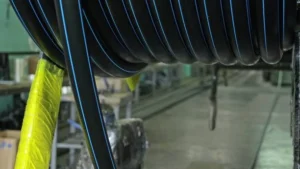
- HDPE pipes are known for their strength and flexibility and are often used in industrial and agricultural applications.
Understanding the material’s temperature tolerance, pressure rating, and suitability for your particular application will help you choose the best option.
2. Understand the Pressure Rating Requirements
The pressure rating of a 1-inch plastic pipe is another crucial factor to consider. The pressure rating indicates the maximum pressure the pipe can safely handle without failing. Depending on your system, you may need a pipe that can handle high-pressure condition. Such as in industrial or commercial applications, or a pipe suitable for lower-pressure systems like irrigation.
For instance, PVC pipes typically come in pressure ratings of 160 PSI, 200 PSI, or 400 PSI, while CPVC pipes can handle higher temperatures and pressures, often up to 400 PSI. Ensure you choose a pipe with a pressure rating that meets or exceeds the needs of your system to avoid any potential damage or leaks.
3. Consider the Pipe’s Durability and Lifespan
Durability is another important consideration when selecting a 1-inch plastic pipe. Some materials offer higher resistance to wear and tear, corrosion, or environmental damage. PVC, for example, is known for its resistance to corrosion, making it a long-lasting option in water systems, while HDPE pipes are highly resistant to cracks, impacts, and UV degradation, which makes them ideal for outdoor or underground use.The environment where the pipe will be installed plays a key role in determining its longevity. Pipes used for underground or outdoor applications may need to withstand soil pressure, moisture, or UV exposure.
4. Evaluate Ease of Installation
When purchasing a 1-inch plastic pipe, ease of installation can significantly impact your overall project cost and timeline. Different pipe materials and designs come with varying levels of installation complexity.
For example, PVC and CPVC pipes often use solvent welding to join pieces, which requires a few extra steps, such as applying primer and cement to the pipe and fitting. These pipes also require proper curing time to ensure a secure connection. In contrast, PEX pipes are highly flexible, making them easier to install in tight spaces and around obstacles. PEX can be connected using crimp fittings or push-fit connections, which reduces installation time and effort.
HDPE pipes often require specialized equipment for fusion welding, making them more complex to install in comparison to PEX or PVC pipes. But their durability in harsh conditions may justify the extra effort.
5. Check for Compatibility with Fittings and Accessories
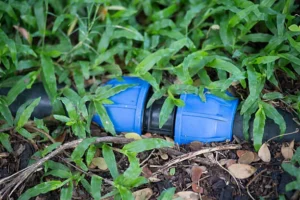
Before purchasing a 1-inch plastic pipe, check whether it is compatible with the fittings and accessories you plan to use. Each material type has specific fittings and connectors designed to work with it. For instance, you cannot use PVC fittings with PEX pipes without the proper adapters. Many manufacturers also offer pipe and fitting bundles that ensure compatibility and make purchasing simpler.
Additionally, think about the type of fittings that suit your system’s needs. Some systems may require elbows, tees, or couplings, which are available in different materials and styles for each type of plastic pipe. It’s essential to ensure that all the components in your system are designed to work together to avoid installation issues and leaks.
6. Examine Cost and Value for Money
Cost is often one of the primary factors when choosing the right 1-inch plastic pipe, but it’s important to balance the initial cost with long-term value. While PVC pipes tend to be the most affordable, they may not always offer the durability needed for high-pressure or temperature-sensitive applications. On the other hand, PEX and CPVC pipes, while more expensive, offer greater flexibility and resistance to high temperatures, which can be worth the extra investment in certain systems.
Keep in mind that while plastic pipes may have a lower upfront cost compared to metal options, the total cost of ownership should include installation, maintenance, and longevity. Pipes that require frequent repairs or replacements can end up being more expensive in the long run.
7. Research Manufacturer Reputation and Quality Assurance
Selecting a reputable manufacturer is key to ensuring the quality of the 1-inch plastic pipe you purchase. Well-established manufacturers often adhere to strict industry standards and quality control processes to guarantee that their pipes meet the necessary performance requirements. Look for manufacturers that provide clear product specifications, certifications, and testing information.
Some manufacturers also offer warranties on their pipes, which can provide additional peace of mind. A trusted brand is more likely to offer reliable products and customer support, reducing the likelihood of installation issues or product failures.
8. Understand Local Codes and Regulations
Lastly, it’s essential to ensure that the 1-inch plastic pipe you purchase complies with local building codes and regulations. Certain regions or municipalities may have specific standards regarding the types of materials used in plumbing, irrigation, or industrial systems.
For example, drinking water pipes may need to meet NSF or UPC (Uniform Plumbing Code) certification standards. Be sure to verify that the pipe you select is approved for use in your area and for the intended application. Adhering to these regulations not only ensures safety and compliance but also helps avoid costly fines or delays in your project.
Conclusion
Choosing the right 1-inch plastic pipe involves considering several factors, including material, pressure rating, durability, ease of installation, and compatibility with other components. By carefully evaluating your project’s requirements and weighing the pros and cons of different pipe types, you can make an informed decision that maximizes both performance and value. Don’t forget to factor in local regulations, the reputation of the manufacturer, and any long-term maintenance needs. With the right approach, you can ensure that your 1-inch plastic pipe performs effectively and reliably for years to come.
IFAN is a brand that offers products that meet a wide range of international standards, ensuring the quality and reliability of every product. Product standard including:ISO 15494 series standards, EN ISO 15494, DIN 8077/8078, ASTM F2389, GB/T 19472 series standards, NBR 15494. IFAN is committed to providing high quality products and excellent service!
Conclusion
Choosing the right 1-inch plastic pipe involves considering several factors, including material, pressure rating, durability, ease of installation, and compatibility with other components. By carefully evaluating your project’s requirements and weighing the pros and cons of different pipe types, you can make an informed decision that maximizes both performance and value. Don’t forget to factor in local regulations, the reputation of the manufacturer, and any long-term maintenance needs. With the right approach, you can ensure that your 1-inch plastic pipe performs effectively and reliably for years to come.
Contact
IFAN is a professional manufacturer with 30 years of experience, dedicated to producing high-quality plastic pipes, fittings, and valves. Our products include brass valves, PPR valves, as well as various pipes and fittings to meet different customer needs. Whether you need plumbing and drainage pipes or valve products, IFAN can provide a diverse range of high-quality, cost-effective products to support your projects. Below is our contact information.
We will reply your email or fax within 24 hours.
You can call us at any time if there is any question on our production.
Pls Mailto: [email protected]
Whatsapp: + 86 19857948982








Recent Comments